


CUAV X25 Mega Autopilota Industriale con ADIS-16607 IMU, ArduPilot/PX4
CUAV X25 Mega Autopilota Industriale con ADIS-16607 IMU, ArduPilot/PX4
CUAV
Impossibile caricare la disponibilità del ritiro


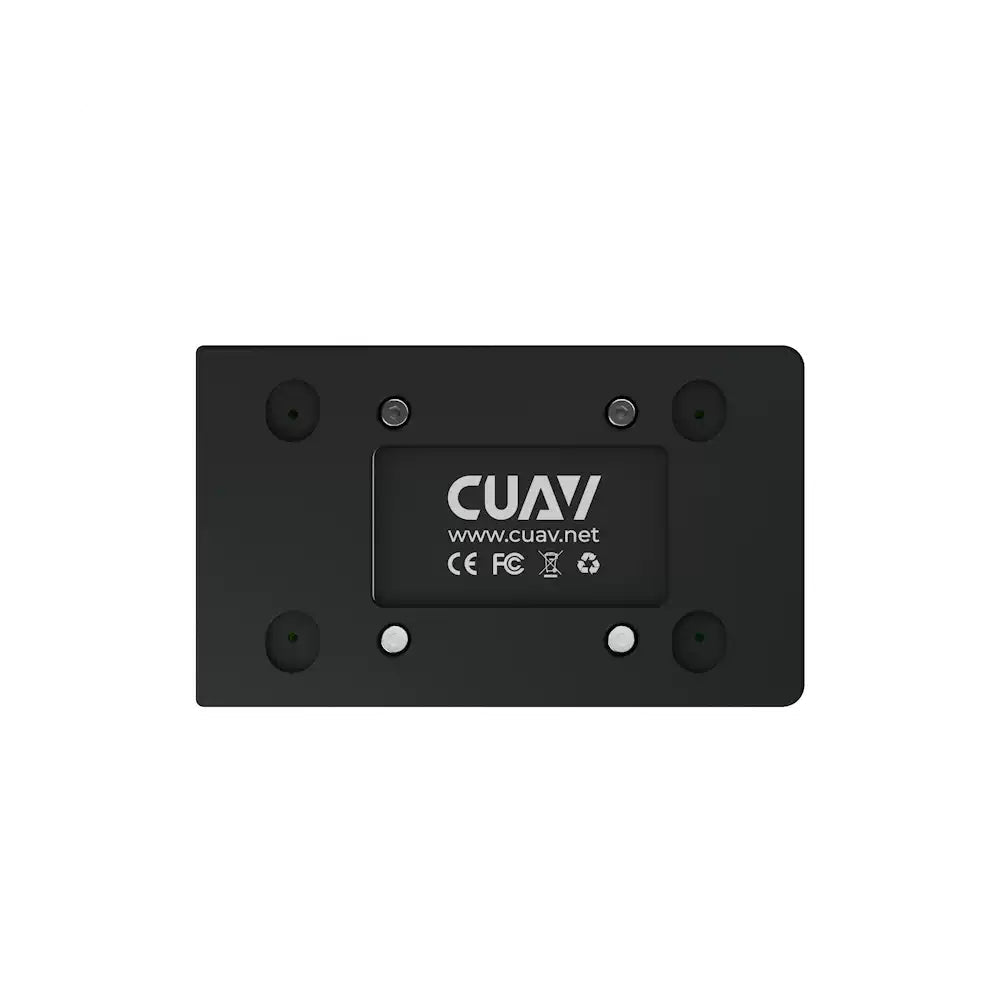
Il CUAV X25 Mega è un controller di volo industriale ad alte prestazioni progettato per sistemi senza pilota esigenti, inclusi UAV multirotore, aerei ad ala fissa, robot autonomi, veicoli terrestri senza pilota e imbarcazioni di superficie senza pilota.
Costruito attorno a un processore STM32H7 da 480 MHz e a un'architettura IMU industriale multi-sensore, l'X25 Mega combina rilevamento del movimento preciso, isolamento delle vibrazioni avanzato, gestione dell'alimentazione ridondante, capacità di alta corrente, connettività CAN e Ethernet a 100 Mbps in una piattaforma modulare robusta.
È compatibile con gli ecosistemi open-source ArduPilot e PX4, rendendolo adatto per mappatura professionale, ispezione, agricoltura, robotica, navigazione autonoma e altre applicazioni industriali.
Architettura Multi-IMU di Grado Industriale
L'X25 Mega utilizza un array di sensori eterogenei progettato per migliorare l'affidabilità in ambienti ad alta vibrazione e variabile temperatura.
Il suo sistema di sensori include:
- IMU industriale ADIS-16607
- sensori inerziali IIM-42652 e IIM-42653
- compasso elettronico RM3100
- barometri TDK ICP-20100 e Bosch BMP581
- sensori di pressione barometrica duali
- architettura dell'oscillatore compensato per temperatura
- ridondanza dei sensori e supporto per il passaggio in caso di guasto
Utilizzare sensori con caratteristiche diverse aiuta a ridurre i rischi di guasto in modalità comune. Se un sensore diventa inaffidabile, il sistema può passare a un'altra fonte di sensore per mantenere un funzionamento stabile.
IMU Industriale ADIS-16607
Sviluppato per applicazioni di robotica e automazione industriale, l'ADIS-16607 offre alta precisione, basso rumore, bassa deriva termica e resistenza a urti e vibrazioni.
Le specifiche chiave dell'IMU mostrate nel materiale sorgente includono:
- Intervallo di misura del giroscopio: ±2000°/s
- Cammino casuale angolare: 0.21°/√hr
- Intervallo dell'accelerometro: ±40 g
- Coerenza della frequenza di campionamento: oltre il 99%
- Orologio MEMS programmabile
- Rilevamento inerziale ad alta gamma dinamica
- Stabilità migliorata durante operazioni ad alta vibrazione e alta velocità
Rispetto al precedente design basato su ADIS-16470, la nuova architettura IMU è presentata come un'offerta di minore consumo energetico e prestazioni complessive più forti.
Orologio MEMS programmabile
Un oscillatore MEMS programmabile dedicato è utilizzato con l'ADIS-16607 per migliorare la precisione temporale e la coerenza del campionamento.
L'oscillatore fornisce una stabilità di frequenza dichiarata di ±20 ppm, aiutando a mantenere un campionamento IMU coerente e migliorare le prestazioni di navigazione quando i segnali GNSS vengono rifiutati, degradati o temporaneamente non disponibili.
I dati di laboratorio nelle immagini sorgente riportano:
- Coerenza della frequenza di campionamento superiore al 99%
- Circa il 30% di miglioramento nella stabilità del bias zero di imbardata
- Durata del test AHRS: 602 secondi
- Distanza del test: 14,6 km
- Errore di posizione stimato fino a 103,1 m
- Errore di riferimento: 206,3 m
Queste cifre sono risultati di laboratorio e possono variare con il firmware, l'installazione, la calibrazione, la configurazione del veicolo e le condizioni operative.
Isolamento delle vibrazioni di quarta generazione
Il X25 Mega utilizza il design a matrice di smorzamento inclinato e simmetrico di quarta generazione di CUAV.
Elementi di smorzamento calibrati con precisione forniscono un isolamento delle vibrazioni bilanciato in più direzioni. Il design aiuta a sopprimere le vibrazioni ad alta frequenza prima che raggiungano i sensori inerziali, migliorando la stima dell'atteggiamento e la stabilità dei dati dei sensori in condizioni operative difficili.
Il sistema supporta anche una configurazione di isolamento delle vibrazioni a doppio strato montata fissa esterna per installazioni che richiedono un ulteriore smorzamento meccanico.
Sistema di Compensazione della Temperatura Doppia
Le variazioni di temperatura possono influenzare la stabilità dell'IMU, dell'oscillatore e del processore. Per affrontare questo problema, l'X25 Mega incorpora un controllo della temperatura coordinato sia per la scheda portante dell'IMU che per la scheda del controller principale.
I principali vantaggi includono:
- Risposta a variazioni di temperatura a livello di millisecondo
- Compensazione della temperatura in tempo reale con precisione dichiarata fino a ±0.5°C
- Ambiente operativo stabile per l'IMU, MCU e oscillatore
- Dichiarata riduzione del 15% della deriva legata alla temperatura
- Dichiarato miglioramento del 25% nella coerenza della soluzione di assetto
Questi miglioramenti delle prestazioni sono risultati comparativi dichiarati dal produttore.
Piattaforma di elaborazione STM32H7
Il controller è alimentato da un processore STM32H7 Arm Cortex-M7 che opera a 480 MHz.
Specifiche del processore:
- Processore: STM32H7 Arm Cortex-M7
- Frequenza di clock: 480 MHz
- Memoria Flash: 2 MB
- Utilizzo tipico della CPU illustrato: circa 20%
Il margine di elaborazione disponibile supporta capacità avanzate di ArduPilot e PX4, inclusi:
- Apprendimento della temperatura IMU
- Navigazione non GNSS
- Filtraggio delle vibrazioni basato su FFT
- Scripting Lua
- Driver e periferiche avanzate
- Espansione futura del firmware e dei driver
CAN Bus e Ethernet a 100 Mbps
Lo X25 Mega fornisce connettività CAN-bus per batterie intelligenti, ESC, motori, sistemi di propulsione e altre attrezzature abilitate CAN.
La telemetria basata su CAN può restituire informazioni come:
- Stato della batteria
- Velocità del motore
- Dati operativi dell'ESC
- Temperatura del dispositivo
- Stato e diagnostica dell'attrezzatura
Un Ethernet integrato da 100 Mbps fornisce una connessione ad alta larghezza di banda per computer ausiliari, telecamere ottiche, collegamenti dati e attrezzature AI. È particolarmente utile per la navigazione visiva, il tracciamento degli obiettivi, le operazioni di sciame e altre applicazioni di sistemi senza pilota ad alta intensità di dati.
Architettura di alimentazione a bassa tensione e alta corrente
Il controller supporta un'ampia gamma di tensione di ingresso e un'alta capacità di potenza in uscita.
Le caratteristiche di potenza includono:
- Ingresso diretto del controller: 10–18 V
- Convertitore DC-DC integrato ad alta potenza 5 V / 15 A
- Capacità di uscita regolata esterna: 5 V / 12 A
- Architettura di alimentazione ridondante a doppio canale
- Commutazione automatica tra fonti di alimentazione ridondanti
- Protezione ESD integrata
- Protezione da sovracorrente integrata
Il design a ampia tensione offre agli integratori maggiore flessibilità quando si collegano computer ausiliari, sistemi di comunicazione, sensori e altre attrezzature di bordo ad alta potenza.
Supporto PMU 2 Series
La configurazione standard è progettata per l'uso con il modulo di alimentazione CUAV PMU 2 Lite.
Capacità PMU mostrate nelle immagini sorgente:
- Misurazione della tensione PMU 2 Lite: fino a 70 V
- Misurazione della corrente PMU 2 Lite: fino a 220 A
- Ingresso di tensione PMU 2S opzionale: fino a 140 V
- Misurazione della corrente PMU 2S opzionale: fino a 500 A
Questo rende il sistema adatto per grandi multirotori, UAV a sollevamento pesante, aerei industriali e altre piattaforme ad alta tensione o alta corrente.
Uscita PWM flessibile
L'X25 Mega offre un ampio supporto per attuatori:
- 16 uscite PWM dirette tramite l'interfaccia servo
- Fino a 32 canali di uscita PWM tramite espansione CAN
- Livelli di segnale PWM switchabili a 3.3 V e 5 V
L'architettura di conversione del livello di segnale bidirezionale aiuta a mantenere una trasmissione del segnale più pulita su cavi lunghi e con carichi capacitivi o ad alta impedenza. Questo migliora la compatibilità con un'ampia gamma di servomotori, ESC, attuatori e dispositivi di controllo industriale.
Architettura CORE Modulare
Il modulo CORE rimovibile separa l'elettronica di controllo principale dalla scheda portante.
Questo design modulare offre diversi vantaggi:
- Manutenzione e sostituzione più facili
- Integrazione flessibile in sistemi senza pilota personalizzati
- Supporto per schede portanti progettate dall'utente
- Adattamento semplificato a interfacce specializzate
- Migliorata flessibilità nello sviluppo del prodotto e nell'integrazione del sistema
Rivestimento Conformale Protettivo
Il PCBA viene trattato utilizzando un processo automatizzato di rivestimento conformale che include pulizia, asciugatura, applicazione uniforme e indurimento controllato.
Il rivestimento protettivo aiuta a proteggere l'elettronica contro:
- Umidità
- Neve salina
- Polvere
- Corrosione
- Perdita elettrica
- Condizioni operative esterne difficili
Questo trattamento migliora la durata quando il controller è installato in UAV industriali, piattaforme marine, robot da campo e altre attrezzature esposte a ambienti difficili.
Caratteristiche di Design Aggiuntive
Il X25 Mega incorpora diverse caratteristiche di integrazione e affidabilità:
- Ingresso di alimentazione ridondante a doppio canale
- Protezione integrata contro ESD e sovracorrente
- Design dell'interfaccia anti-statico
- Test di produzione automatizzati
- Indicatore di stato RGB a colori multifunzionale
- Modulo CORE rimovibile
- Supporto per lo sviluppo di schede portanti personalizzate
- Finitura esterna blu industriale a bassa saturazione
- Trattamento superficiale resistente a graffi e impronte digitali
Specifiche dell'Interfaccia
| Interfaccia | Quantità / Descrizione |
|---|---|
| Uscite PWM dirette | 16 |
| Uscite PWM espanse CAN | Fino a 32 |
| Ingressi di alimentazione CAN | 2 |
| Porti GPS | 2 |
| Porti di telemetria | 2 |
| UART4 | 1 |
| Ingresso RC | 1, supportando PPM/SBUS/DSM e protocolli simili |
| Porto di debug | 1 DSU |
| Ethernet | 1 × 100 Mbps |
| CAN 1 | 3 porte |
| CAN 2 | 2 porte |
| Espansione SPI6 | 1 |
| ADC 3.3 V | 1 |
| ADC 6.6 V | 1 |
| USB | 1 × USB Type-C |
| I²C | 3 |
| RSSI | 1 |
| Modulo di alimentazione | PMU 2 Lite |
Specifiche tecniche
| Specifiche | Valore |
|---|---|
| Modello del prodotto | CUAV X25 Mega |
| Processore | STM32H7 Arm Cortex-M7 |
| Frequenza del processore | 480 MHz |
| Memoria Flash | 2 MB |
| Sensori IMU | ADIS-16607, IIM-42652, IIM-42653 |
| Compasso elettronico | RM3100 | Barometri | TDK ICP-20100, Bosch BMP581 |
| Voltaggio di funzionamento USB | 4.75–5.25 V |
| Intervallo di funzionamento PMU 2 Lite | 20–70 V |
| Ingresso di alimentazione diretto | 10–18 V |
| Temperatura di funzionamento | −20°C a +85°C |
| Dimensioni | 76.5 × 45.45 × 32.2 mm |
| Peso | 108.5 g |
| Ecossistemi firmware | ArduPilot e PX4 |
Applicazioni
Il CUAV X25 Mega è adatto per:
- UAV multirotore industriali
- Droni per carichi pesanti
- Aerei a ala fissa e VTOL
- Piattaforme di rilevamento e mappatura
- Sistemi di ispezione automatizzati
- UAV per l'agricoltura e la protezione delle piante
- Robot autonomi
- Veicoli terrestri senza pilota
- Vascelli di superficie senza pilota
- Aerei con navigazione visiva e abilitati all'IA
- Sistemi di sciame e multi-veicolo
- Ricerca e sviluppo di autopiloti personalizzati
Note di integrazione importanti
- Confermare la compatibilità del firmware prima dell'installazione.
- Selezionare il PMU appropriato in base alla tensione del sistema e alla corrente massima.
- Seguire l'orientamento di montaggio raccomandato da CUAV e le pratiche di isolamento dalle vibrazioni.
- Mantenere i cablaggi di alimentazione ad alta corrente e le fonti di rumore elettromagnetico lontano dai cavi di segnale sensibili.
- Le prestazioni di navigazione effettive dipendono dalla calibrazione, dalle impostazioni del firmware, dall'installazione meccanica, dal posizionamento dell'antenna, dai livelli di vibrazione e dall'ambiente operativo.
- Le specifiche e gli accessori inclusi devono essere confermati rispetto alla variante di prodotto selezionata prima dell'acquisto.

