


Yahboom STM32F103RCT6 / STM32F103C8T6 STM32 Core Board met Type-C, CH340, SWD & TFT FPC
Yahboom STM32F103RCT6 / STM32F103C8T6 STM32 Core Board met Type-C, CH340, SWD & TFT FPC
Yahboom
Kan beschikbaarheid voor afhalen niet laden


Overzicht
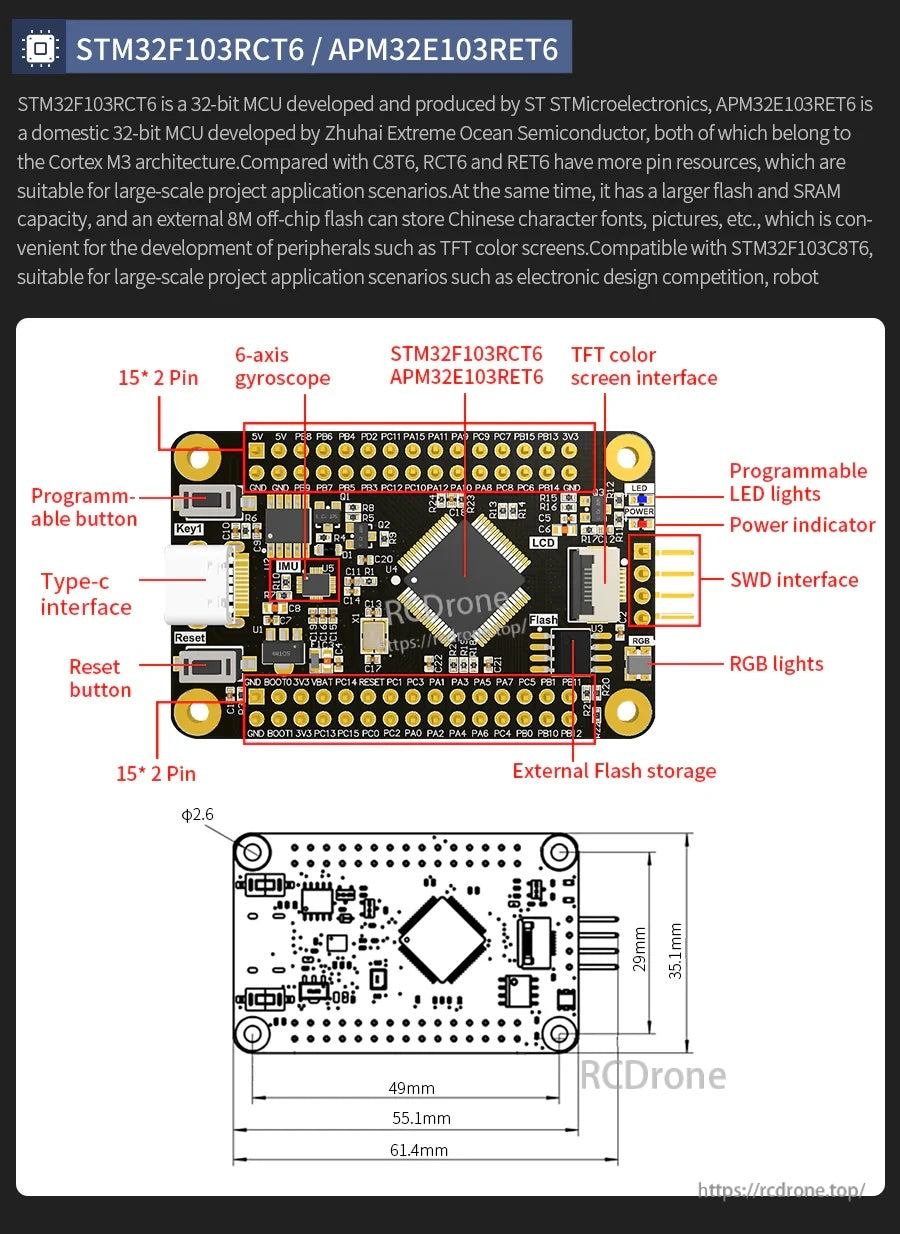
Deze STM32 core board-serie is onafhankelijk ontwikkeld door Yahboom en integreert een minimaal STM32-systeemcircuit plus een CH340 USB-serieel stuurprogramma. Het brengt MCU I/O-bronnen naar buiten, biedt een SWD-debugging/downloadinterface en bevat een TFT-display FPC-interface, met een pin-layout bedoeld voor directe invoeging in robotuitbreidingsborden. Er zijn meerdere versies beschikbaar: STM32F103C8T6, GD32F103C8T6, STM32F103RCT6 en APM32E103RET6.
Belangrijkste Kenmerken
- Type-C interface voor voeding, communicatie en "one-click" seriële poort programmaverlading.
- SWD-debugginginterface (ondersteunt J-Link en ST-Link simulatie voor online debugging).
- On-board beschermingscircuit.
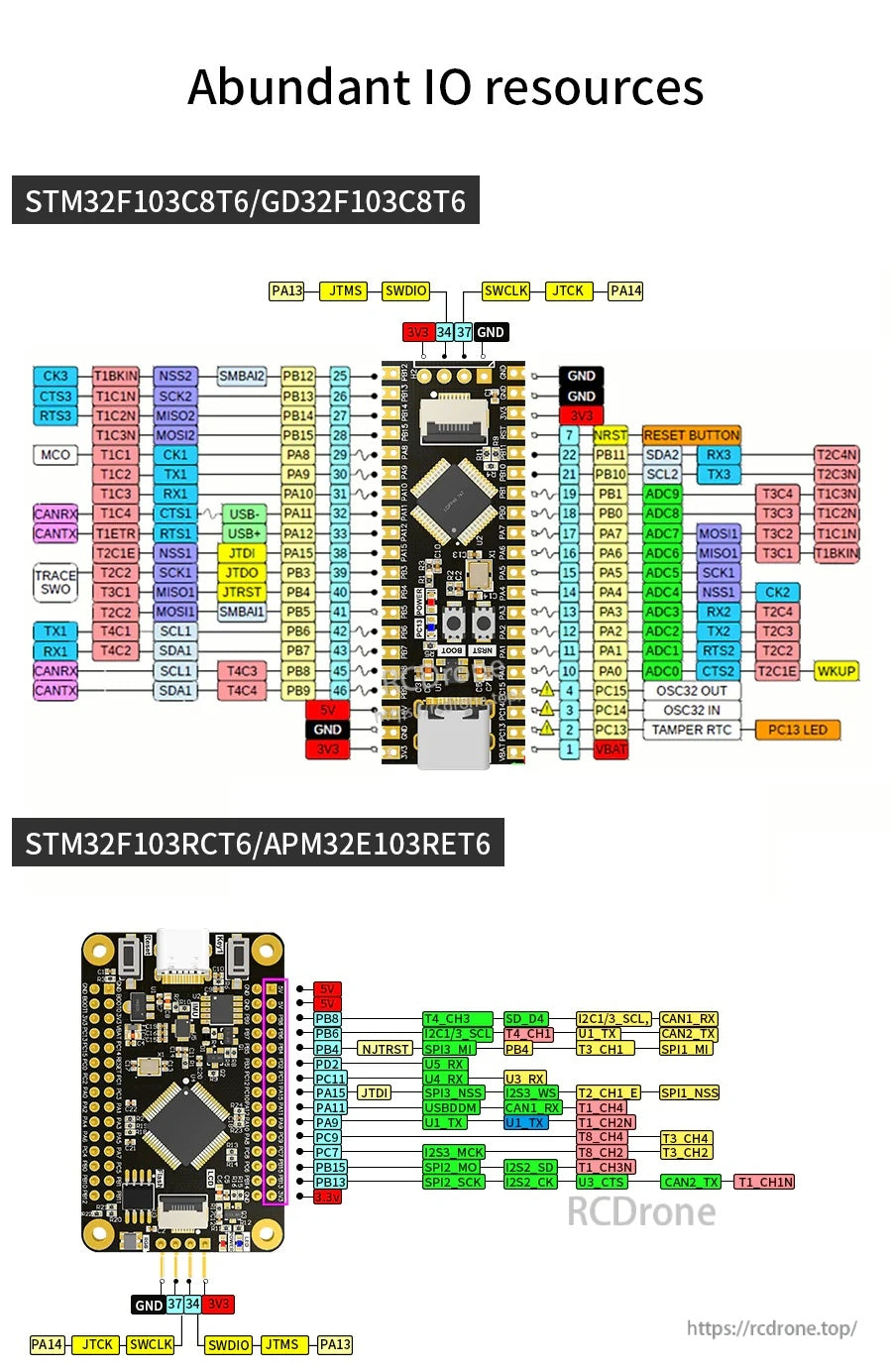
- Rijke I/O-bronnen; ontworpen voor elektronische ontwerpwedstrijden en embedded ontwikkeling.
- On-board TFT-kleurenscherminterface via 8P FPC-connector; ondersteunt aansluiting van een 0,96-inch TFT-kleurendisplay.
- RCT6/RET6-versies voegen on-board bronnen toe (volgens vergelijkingstabel): on-board 6-assige IMU, RGB-licht en extra knop.
Specificaties
| Item | STM32F103C8T6 | GD32F103C8T6 | STM32F103RCT6 | APM32E103RET6 |
|---|---|---|---|---|
| Cortex-M3 kern | R1P1 | R2P1 | R1P1 | R1P0 |
| Pinnen | 48 | 48 | 64 | 64 |
| Interface resource | 2 x SPI, 3 x USART, 2 x I2C, 1 x CAN, 36 x I/O poorten | 2 x SPI, 3 x USART, 2 x I2C, 1 x CAN, 36 x I/O poorten | 2 x SPI, 3 x USART, 2 x I2C, 2 x I2S, 1 x CAN, 51 x I/O-D, 2 x DAC | 2 x SPI, 3 x USART, 2 x I2C, 2 x I2S, 1 x CAN, 51 x I/O-D, 2 x DAC |
| Timer | 7 | 7 | 8 | 8 |
| Digitaal naar analoog conversie | 2 x ADC (12 bits/16 kanalen) | 2 x ADC (12 bits/16 kanalen) | 3 x ADC (12 bits/16 kanalen) | 3 x ADC (12 bits/16 kanalen) |
| SRAM | 20K | 20K | 48K | 128K |
| Interne FLASH | 64K | 64K | 256K | 512K |
| Externe FLASH | Geen | Geen | 8M | 8M |
| Interne chipregisters | Zelfde logische adres | |||
| Pakket met pinnen | LQFP48 | LQFP48 | LQFP64 | LQFP64 |
| Compilatiehulpmiddelen | KEIL MDK, STM32CubeMX, enz. | |||
| Spanningsbereik (ADC) | Externe spanning: 2.0-3.6V Kernspanning: 1.8V |
Externe spanning: 2.6-3.6V Kernspanning: 1.2V |
Externe spanning: 2.0-3.6V Kernspanning: 1.8V |
Externe spanning: 2.0-3.6V Kernspanning: 1.8V |
| BOOT0 pin | Wanneer het Flash-programma werkt, kan BOOT0 worden opgeschort | Wanneer het Flash-programma werkt, moet BOOT0 naar beneden worden getrokken | Wanneer het Flash-programma werkt, kan BOOT0 worden opgeschort | Wanneer het Flash-programma werkt, kan BOOT0 worden opgeschort |
| Hoofd frequentie | 72MHZ | 108MHZ | 72MHZ | 120MHZ |
| Vermogensverbruik | Slaapstand: 7.5mA Stand-bymodus: 3.4uA Werkend vermogensverbruik: 52mA/72M |
Slaapstand: 12.4mA Stand-bymodus: 10.5uA Werkend stroomverbruik: 32.4mA/72M |
Slaapstand: 7.5mA Stand-bymodus: 3.4uA Werkend stroomverbruik: 52mA/72M |
Slaapstand: 9.76mA Stand-bymodus: 3.85uA Werkend stroomverbruik: 15.01mA/72M |
| Programma downloaden | SWD of seriële poort één-klik downloaden | |||
| Interfaces | SWD-debuginterface, Type-C interface, LCD-displayinterface | |||
| 6-assige IMU | Geen | Geen | On-board 6-assige IMU | On-board 6-assige IMU |
| LED | Rode stroomindicator, PC13 gebruikersgedefinieerde blauwe LED-licht | Rode stroomindicator, PC13 gebruikersgedefinieerde blauwe LED-licht | Rode stroomindicator, PB4 gebruikersgedefinieerde blauwe LED-licht, 3-kleurige RGB-licht | Rode stroomindicator, PB4 gebruikersgedefinieerde blauwe LED-licht, 3-kleurige RGB-licht |
| Knop | BOOT0-knop, resetknop | BOOT0-knop, resetknop | BOOT0-knop, resetknop, KEY1-knop | BOOT0-knop, resetknop, KEY1-knop |
| Grootte | 18*51mm | 18*51mm | 35*55mm | 35*55mm |
| Gewicht | 6.7g | 6.7g | 11.8g | 11.8g |
Mechanische Tekening Notities (STM32F103RCT6 / APM32E103RET6 bord)
- Montagegat: Φ2.6
- Tekenmarkeringen: 49mm, 55.1mm, 61.4mm, 29mm, 35.1mm
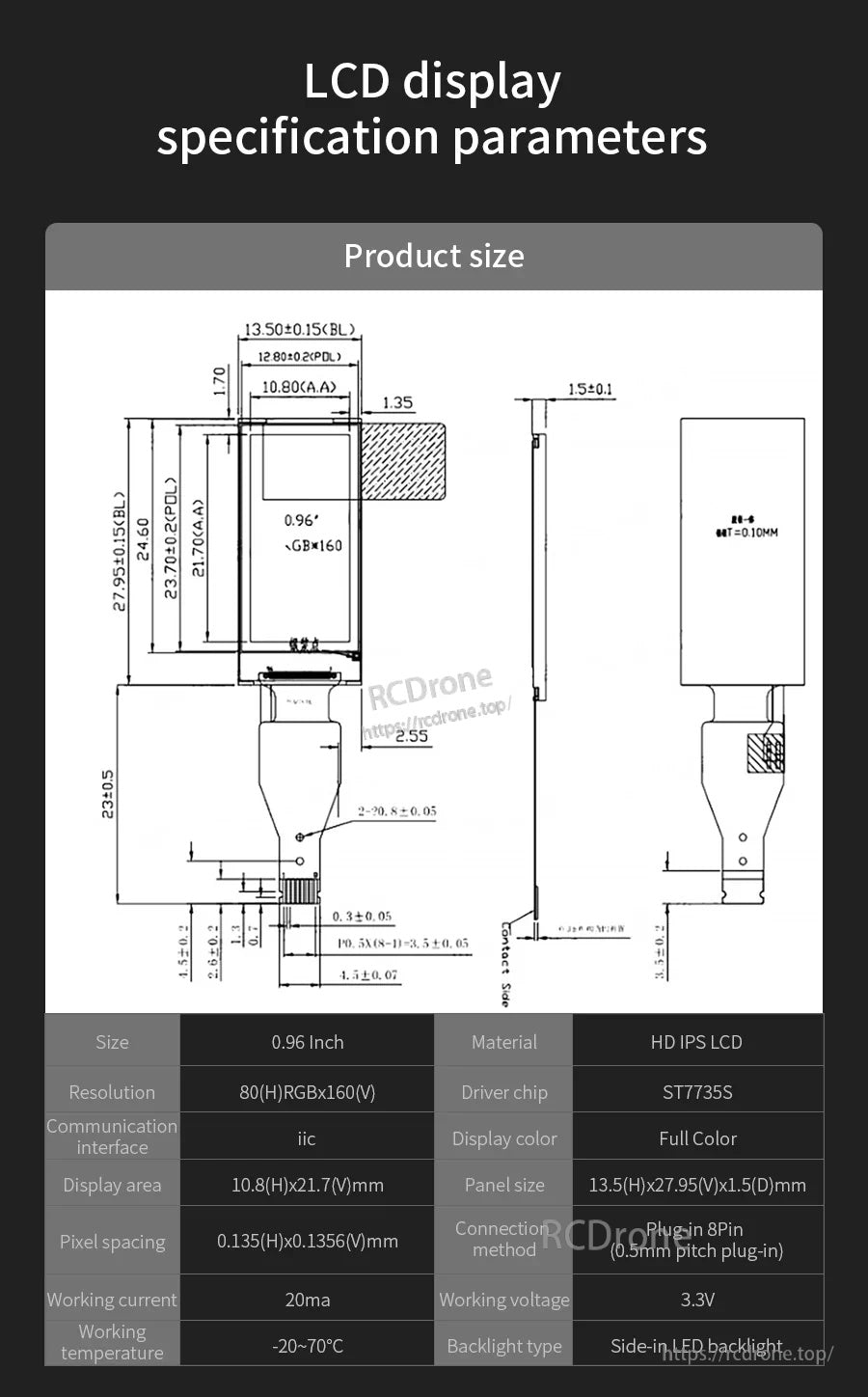
TFT LCD Display Specificatie Parameters (0.96-inch module)
Het bord biedt een on-board 8P FPC-connector die ondersteuning biedt voor de aansluiting van een 0.96-inch TFT-kleurendisplay. De volgende parameters worden getoond voor de 0.96-inch displaymodule.
| Grootte | 0.96 Inch | Materiaal | HD IPS LCD |
| Resolutie | 80(H)RGBx160(V) | Driverchip | ST7735S |
| Communicatie-interface | iic | Displaykleur | Volledige Kleur |
| Displaygebied | 10.8(H)x21.7(V)mm | Paneelgrootte | 13.5(H)x27.95(V)x1.5(D)mm |
| Pixelafstand | 0.135(H)x0.1356(V)mm | Verbindingsmethode | Insteek 8Pin (0.5mm pitch insteek) |
| Werkstroom | 20ma | Werkspanning | 3.3V |
| Werktemperatuur | -20~70°C | Achtergrondverlichtingstype | Zij-in LED-achtergrondverlichting |
Toepassingen
- Elektronische ontwerpwedstrijden en embedded learning
- Robots, slimme autoplatforms en industriële controleprototyping
- Perifere uitbreiding en TFT-displayontwikkeling (via de on-board LCD-interface)
Voor hulp bij het kiezen van de juiste MCU-versie (STM32F103C8T6 / GD32F103C8T6 / STM32F103RCT6 / APM32E103RET6) of voor pre-sales compatibiliteitsvragen, neem contact op [email protected] or bezoek https://rcdrone.top/.
Details
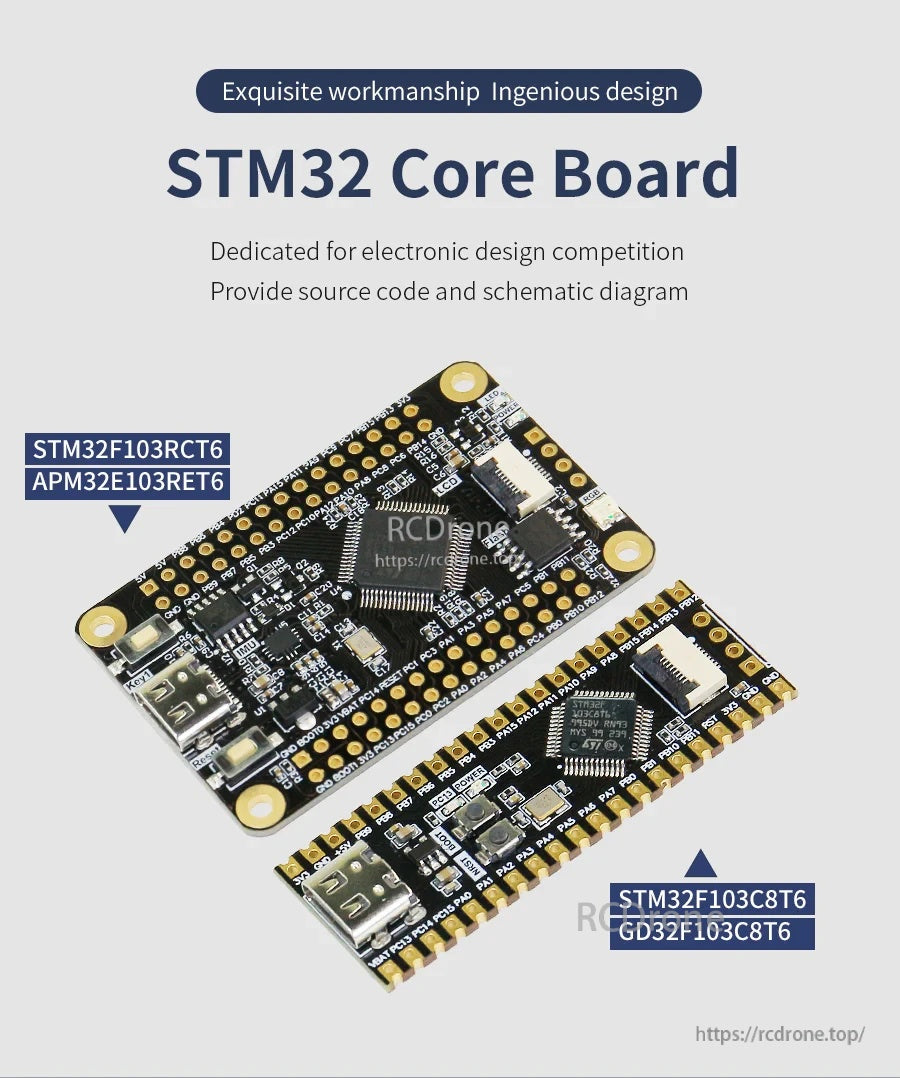
Een compacte STM32-kernbord ontworpen voor eenvoudige USB-programmering, SWD-debugging en snelle aansluiting op een klein TFT-display.
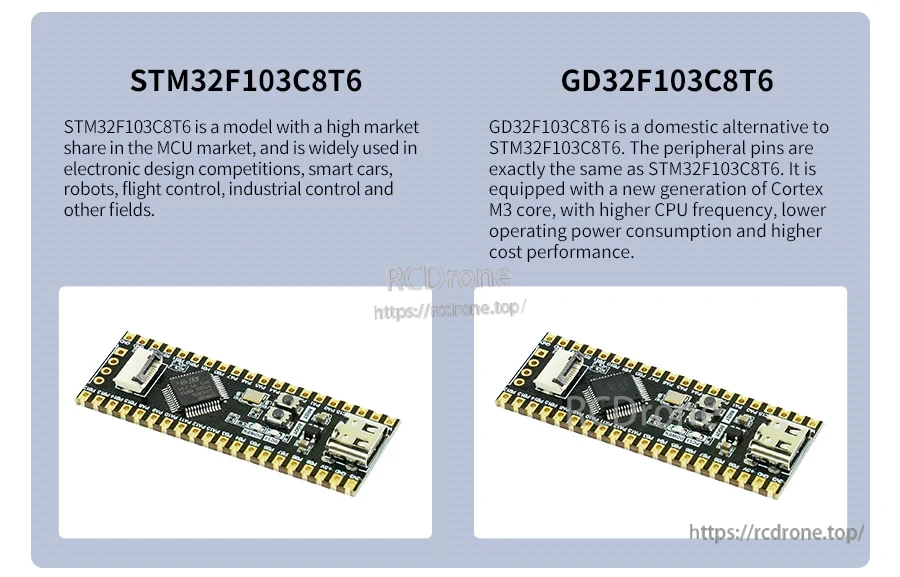
Kies de chipversie die bij uw project past, terwijl u een consistent kernbordformaat behoudt voor uitbreidingsborden.
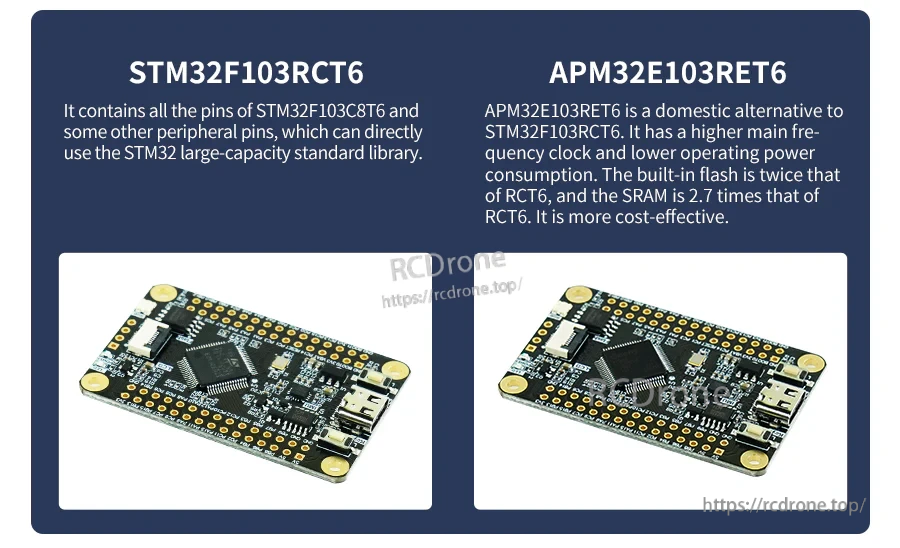
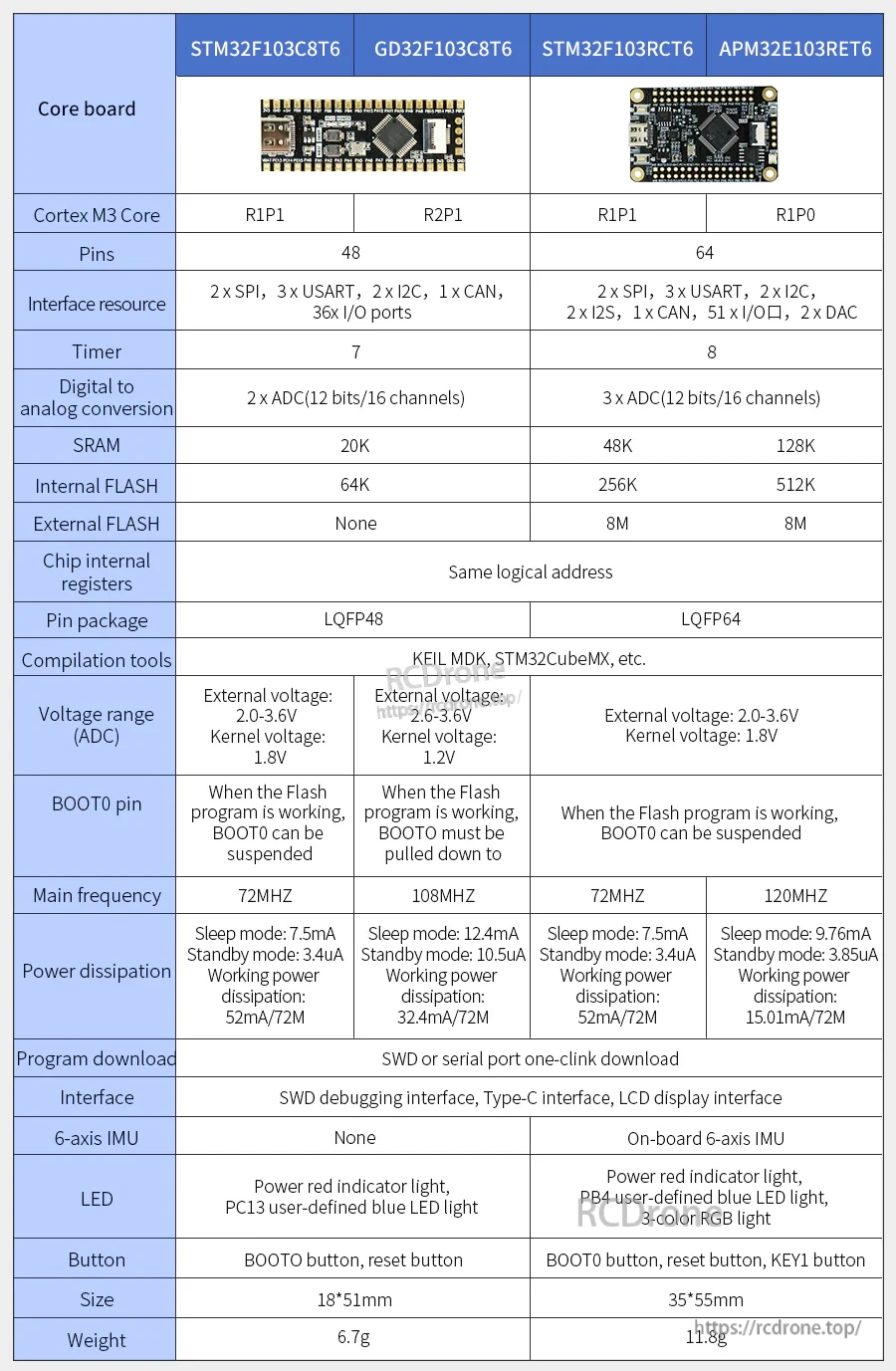
De vergelijkende tabel benadrukt de belangrijkste verschillen in pinnen, geheugen en randapparatuur tussen de beschikbare MCU-opties.
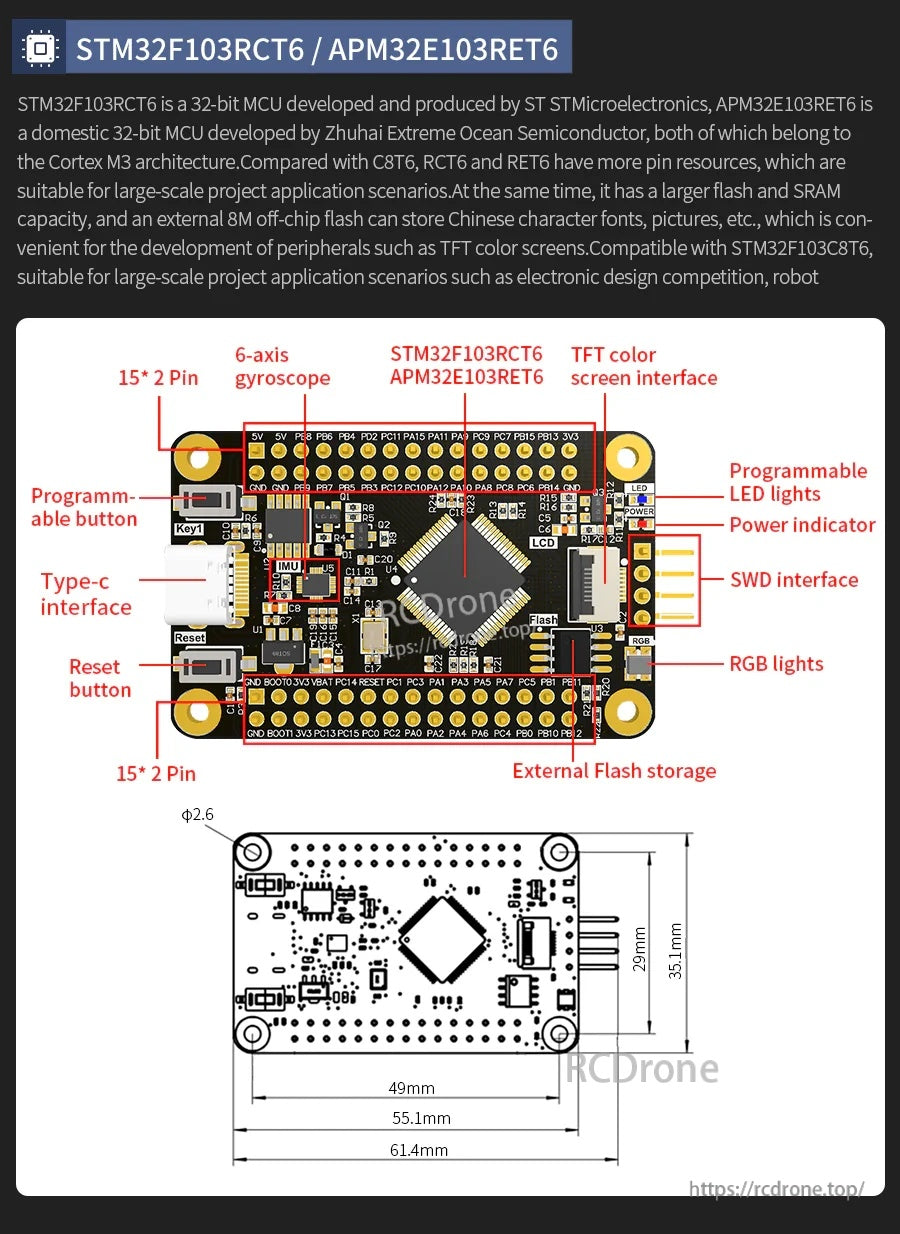
Belangrijke connectors zijn duidelijk gegroepeerd: Type‑C voor stroom/serieel, SWD voor debugging, plus een 8‑pin FPC voor een TFT-module.
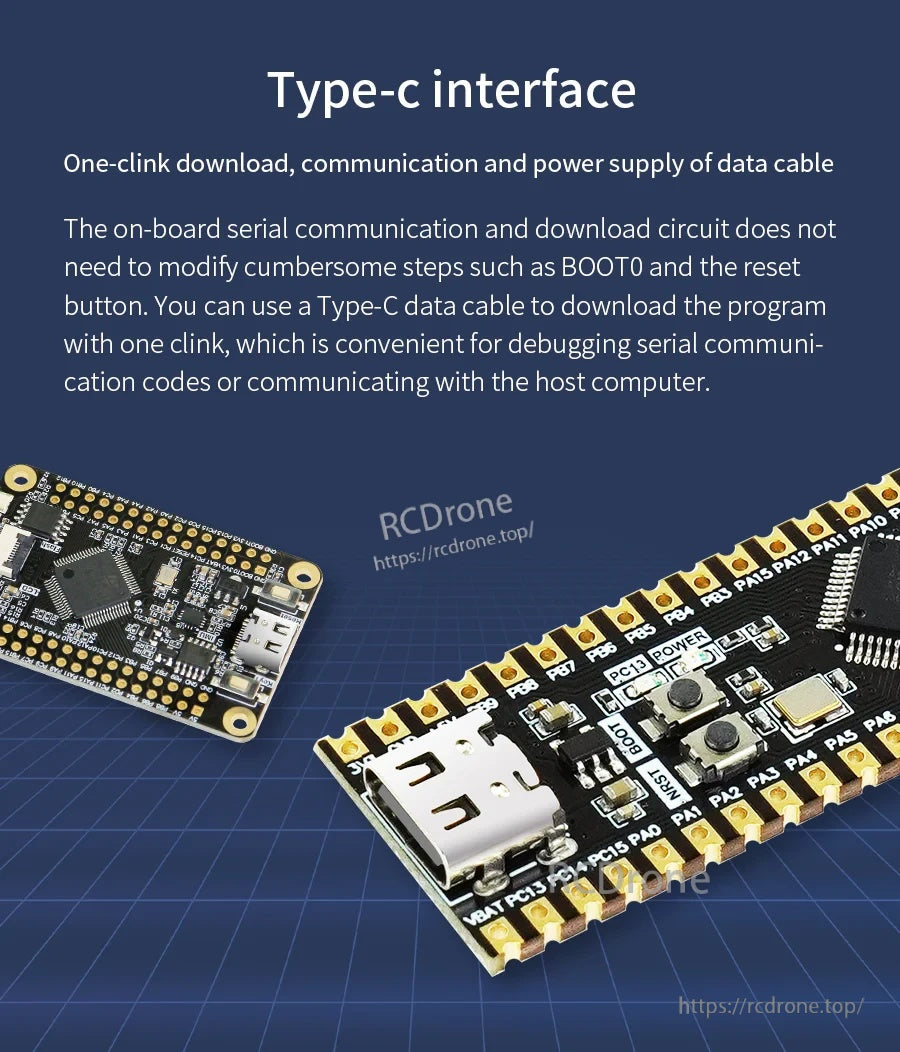
Type‑C vereenvoudigt stroom- en USB-seriële communicatie, zodat firmware direct vanaf een pc kan worden gedownload.
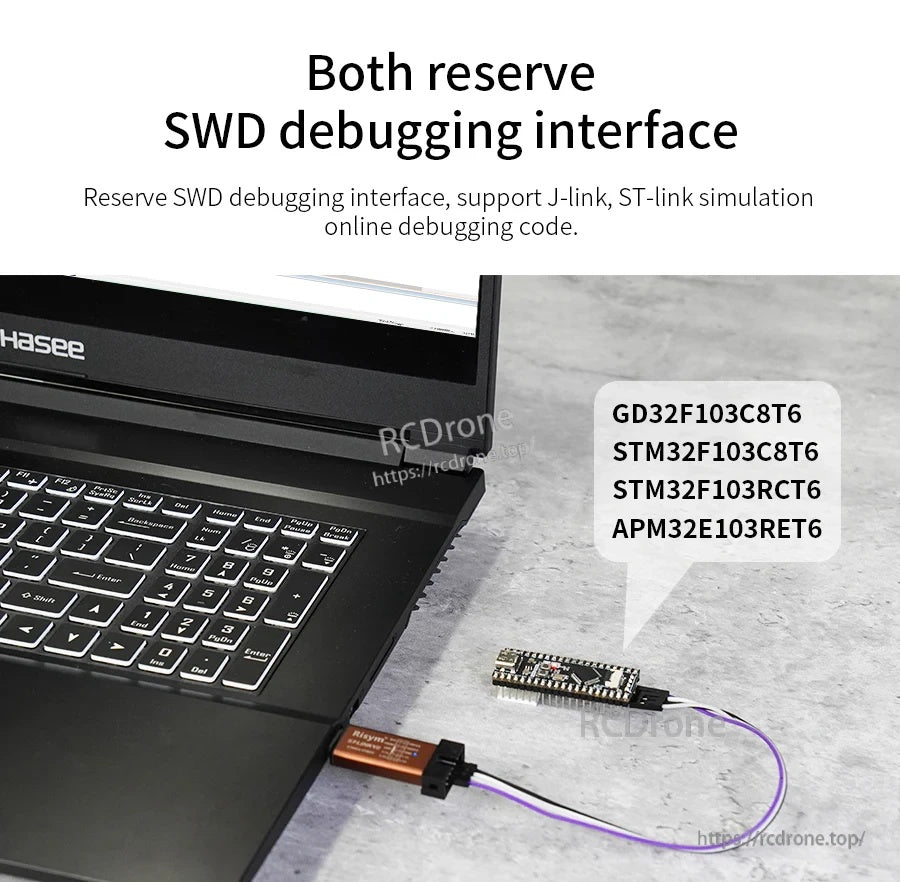
SWD-pinnen zijn gereserveerd voor betrouwbare debugging en programmering met gebruikelijke tools zoals ST‑Link of J‑Link.
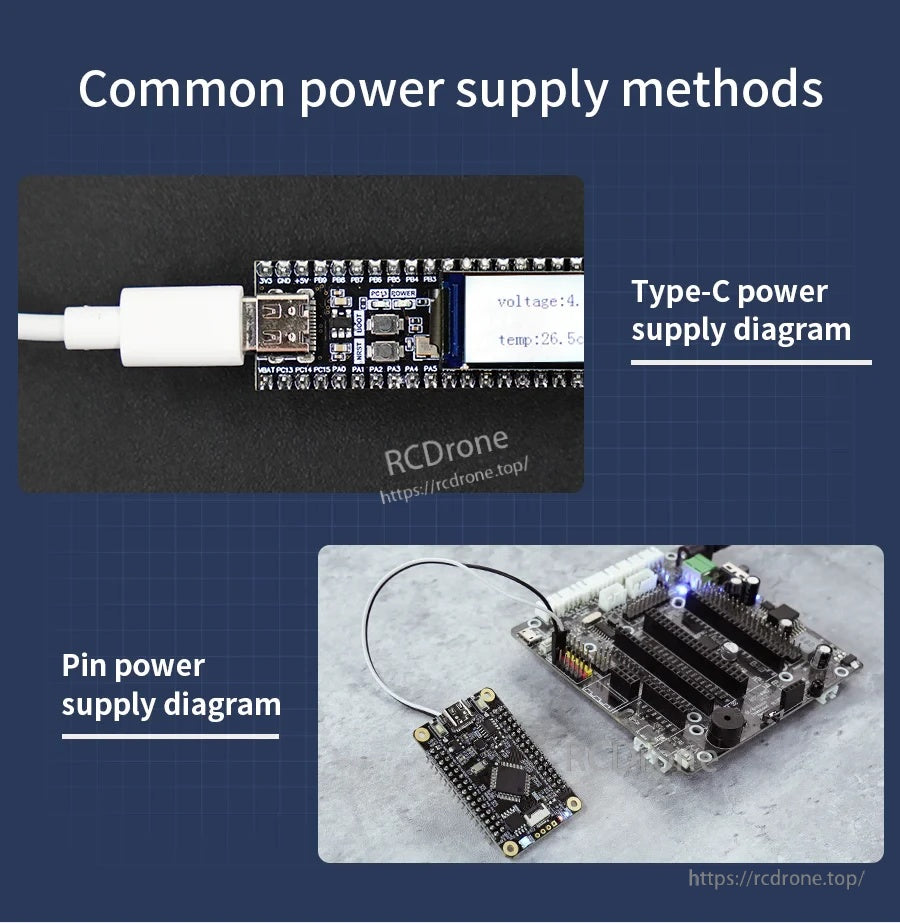
Voorzie het bord van stroom via Type‑C tijdens ontwikkeling, of via headerpinnen wanneer het op een uitbreidingsbord is geïnstalleerd.
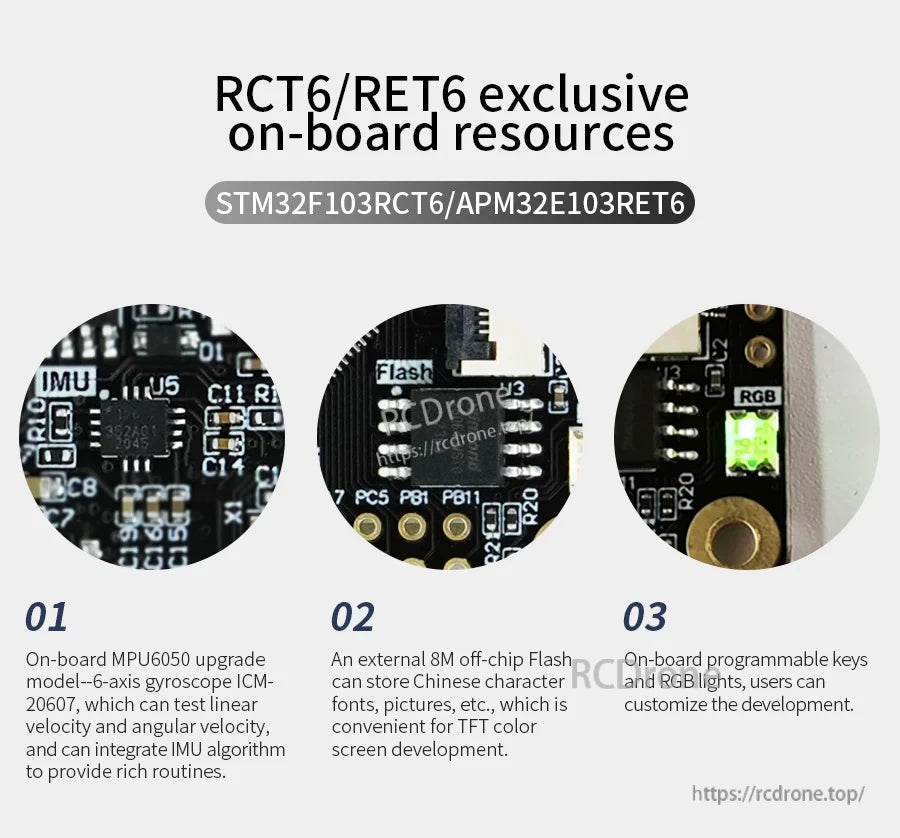
Hogere versies voegen extra on-board randapparatuur toe zoals een IMU, externe flash en een RGB-indicator voor rijkere demo's.
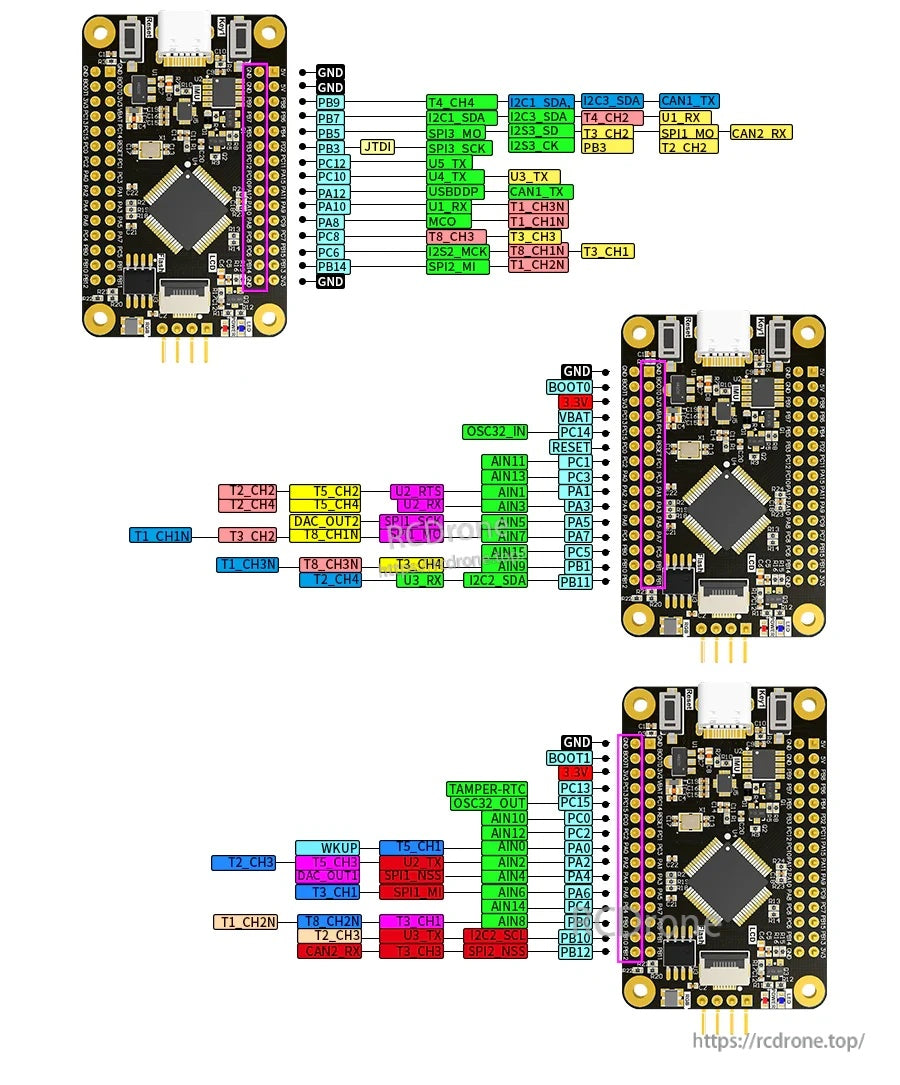
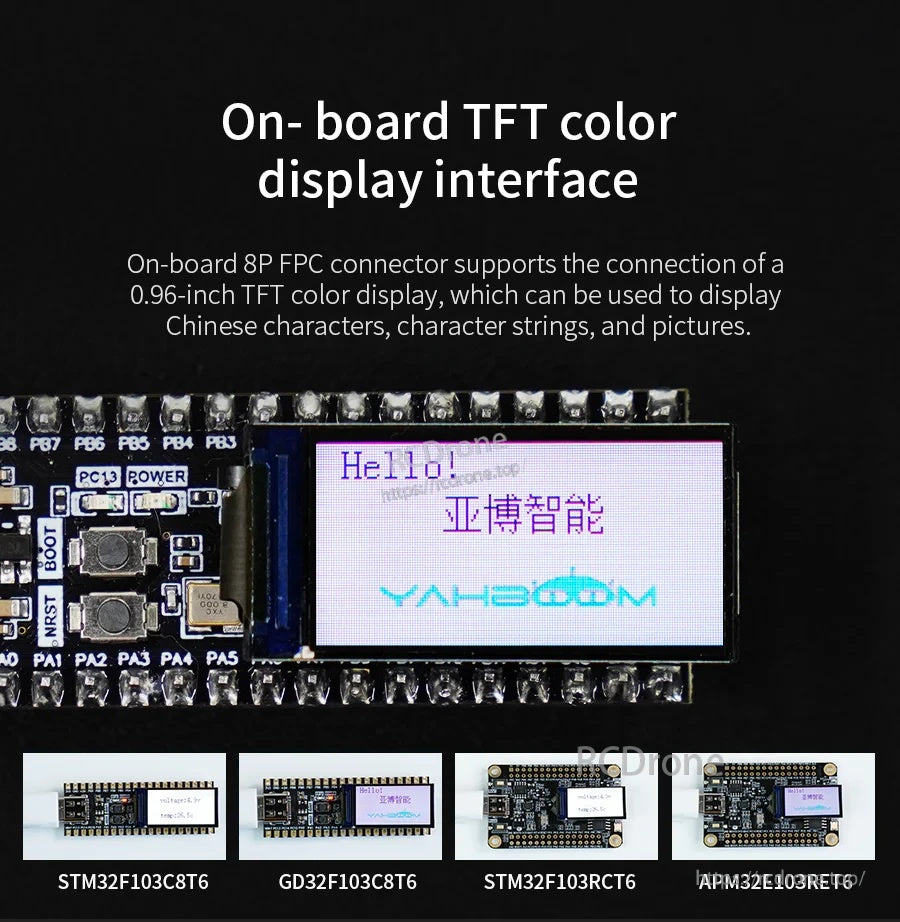
Een 8-pins FPC-connector ondersteunt een 0,96-inch TFT-kleurenscherm voor eenvoudige UI, tekst en grafische uitvoer.
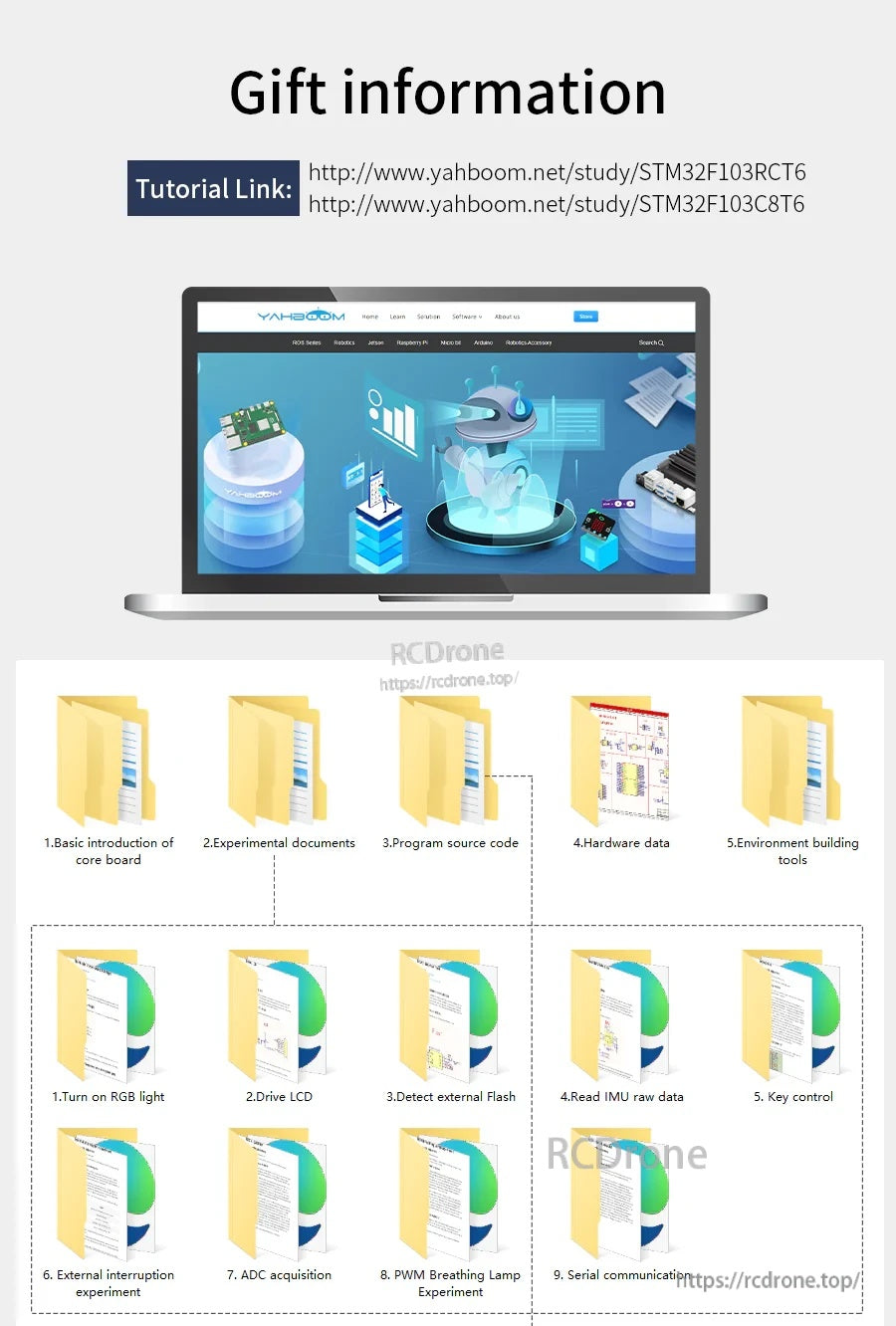
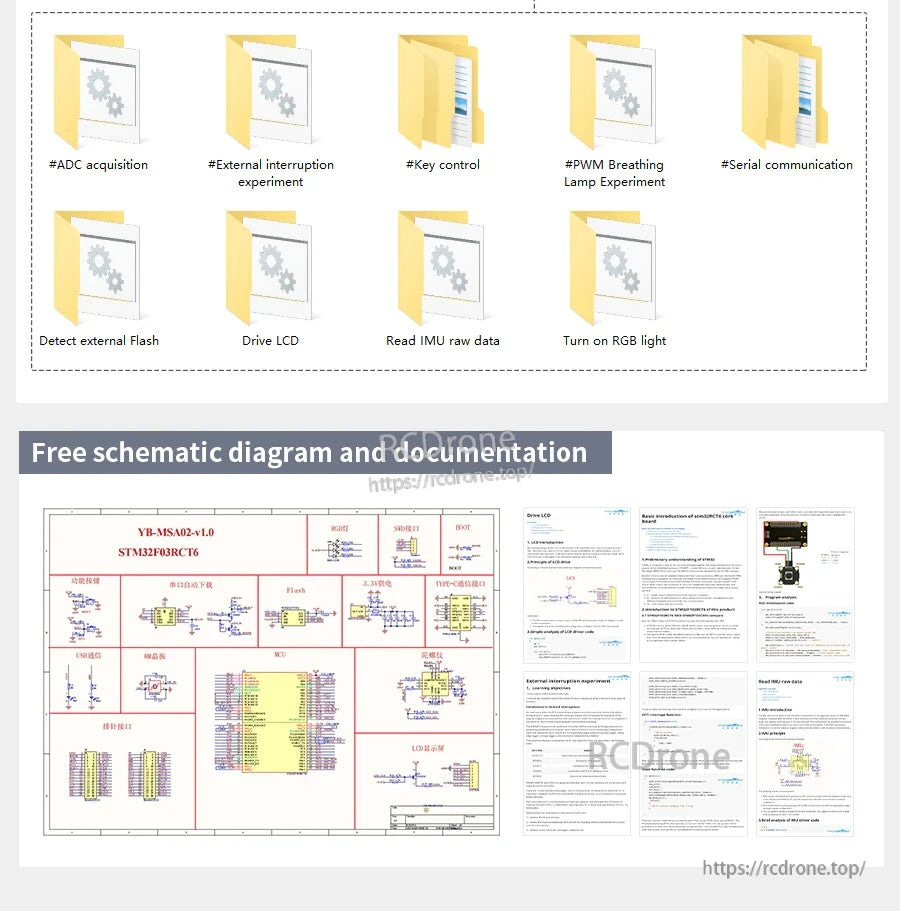
Tutoriallinks en voorbeeldprojecten worden verstrekt om u te helpen aan de slag te gaan met randapparatuur, communicatie en displaydemo's.
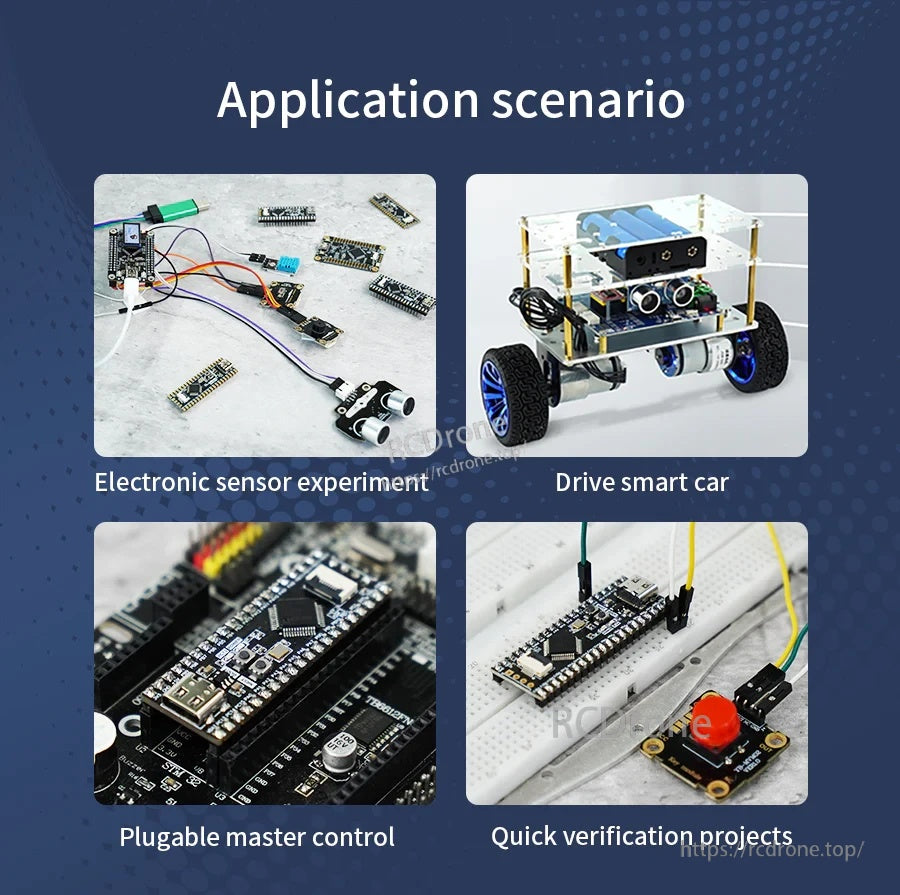
Veelvoorkomende gebruikssituaties zijn onder meer sensorproeven, snelle breadboard-opstart en integratie in kleine robotica-projecten.

Compatibiliteit met veel accessoires helpt de STM32-kernkaart te integreren in een breder scala aan opstellingen.
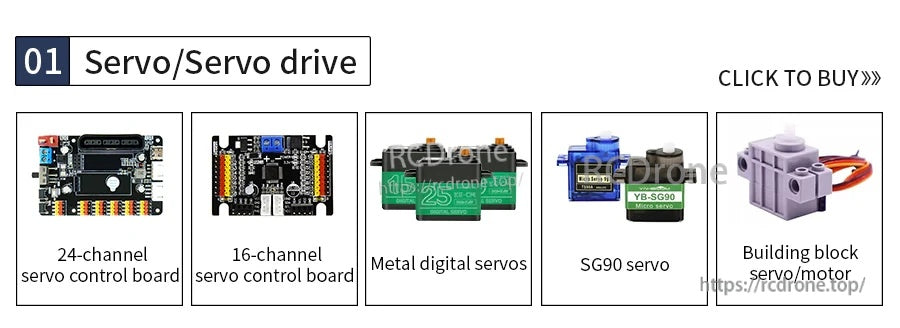
Servo- en servo-aandrijfopties omvatten 24-kanaals en 16-kanaals besturingsborden plus SG90, metalen digitale en bouwblokstijl servos.
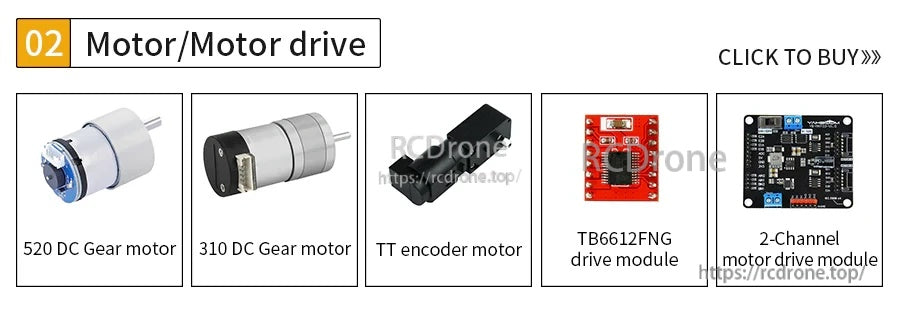
Motor- en motorstuuropties omvatten 520 en 310 DC-tandwielmotoren, een TT-encodermotor en TB6612FNG/2-kanaals stuurmodules.
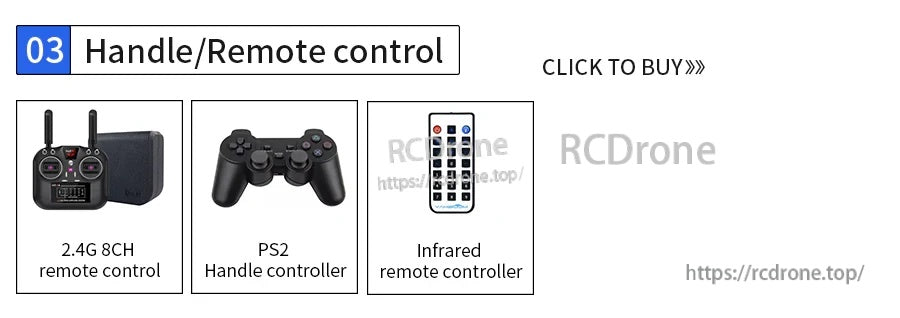
Handvat-/afstandsbedieningsopties omvatten een 2.4G 8CH-zender, een PS2-stijl gamepad en een infrarood afstandsbediening.
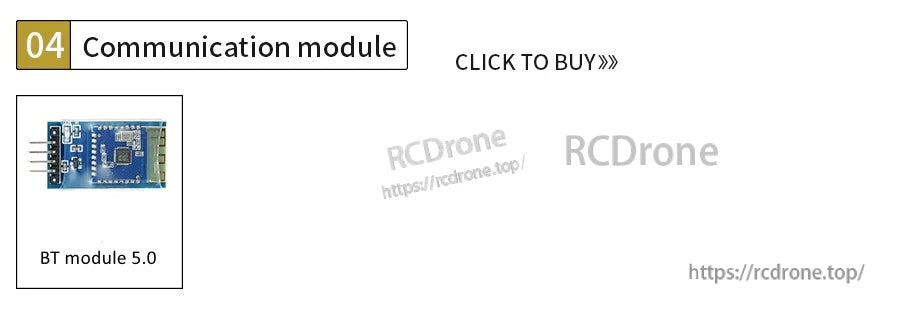
De Bluetooth 5.0 communicatiemodule biedt een compacte toevoeging voor draadloze connectiviteit in STM32-gebaseerde projecten.
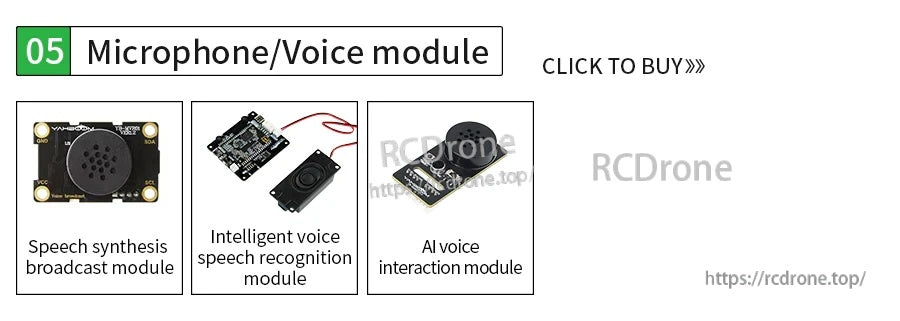
Microfoon- en stemmodule-opties omvatten spraaksynthese-uitzending, intelligente spraakherkenning en AI-steminteractie borden.
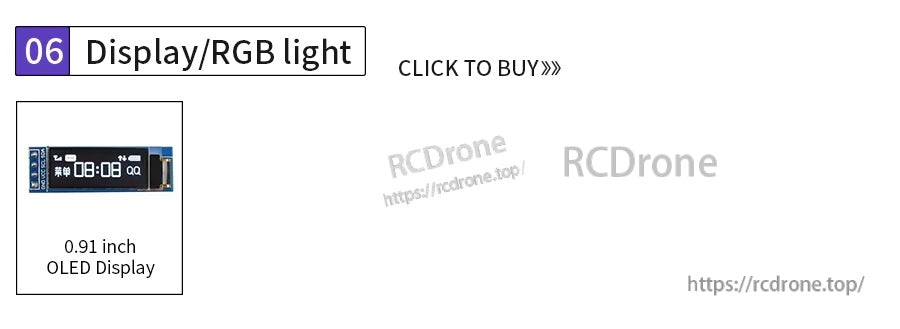
Een 0,91-inch OLED-displayoptie voegt een gemakkelijk af te lezen status scherm toe naast de RGB-lichtfunctie.
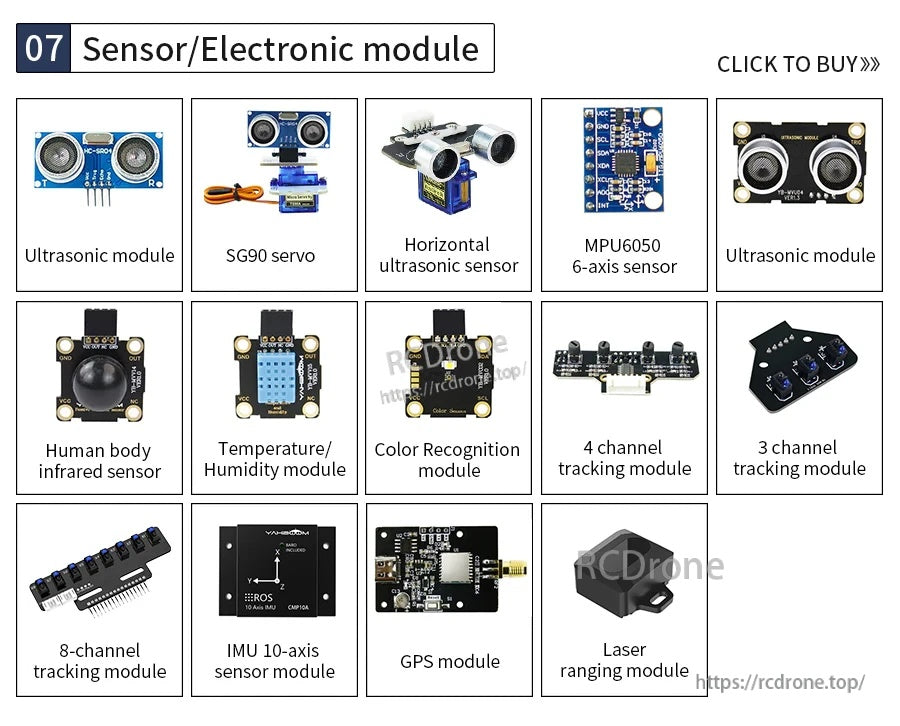
Een reeks compatibele sensor- en elektronische modules—zoals ultrasoon, SG90 servo, MPU6050, GPS en lijnvolgborden—ondersteunt uitbreiding voor STM32-projecten.
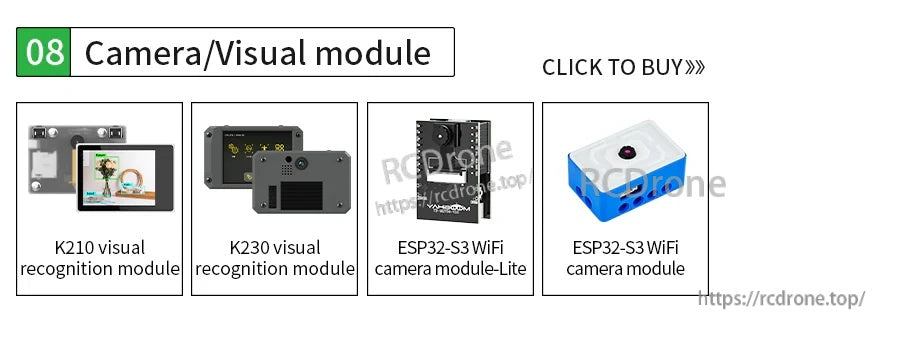
Optionele camera- en visuele herkenningsopties omvatten K210/K230-modules en ESP32-S3 WiFi-camera modulevarianten.
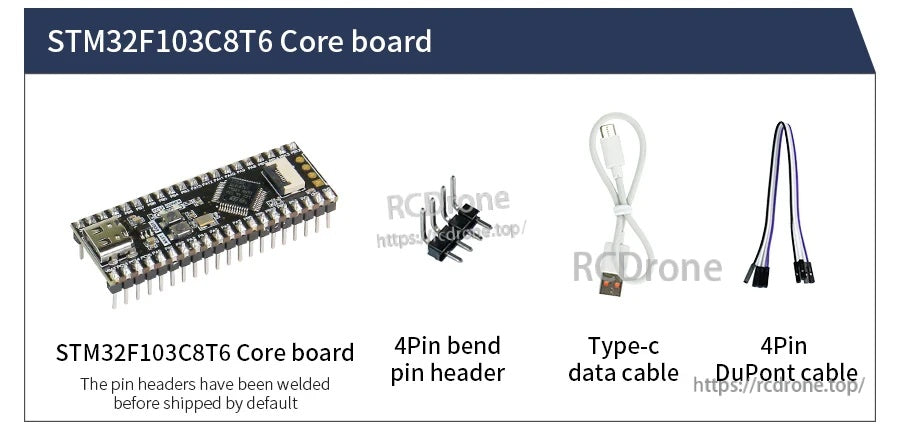
Het STM32F103C8T6 kernbordpakket bevat pinheaders, een Type-C datakabel en een 4-pins DuPont-kabel voor snelle bedrading.
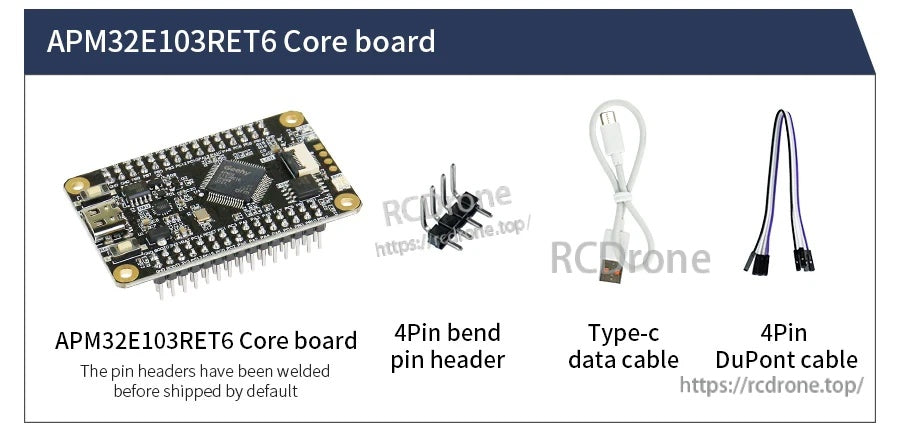
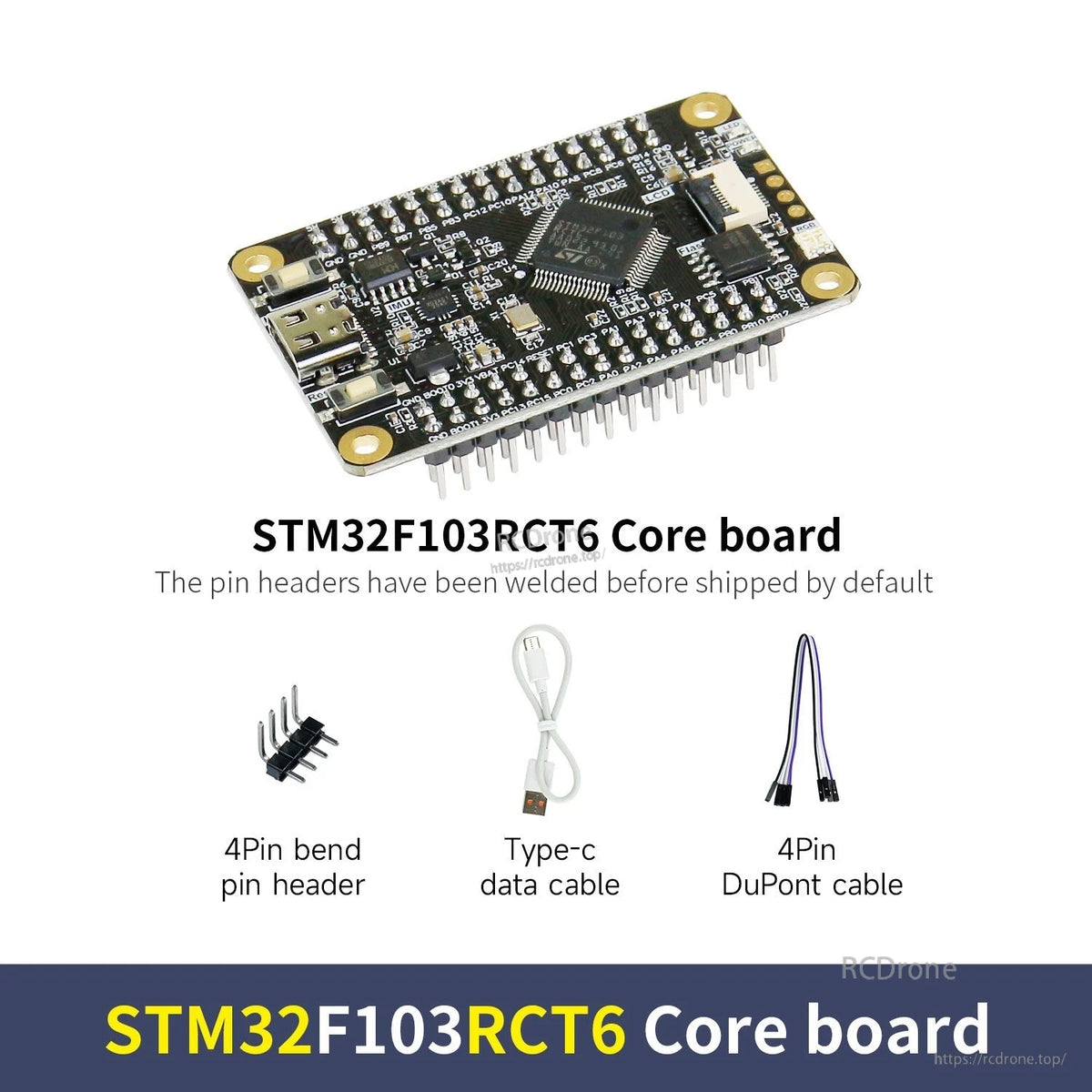
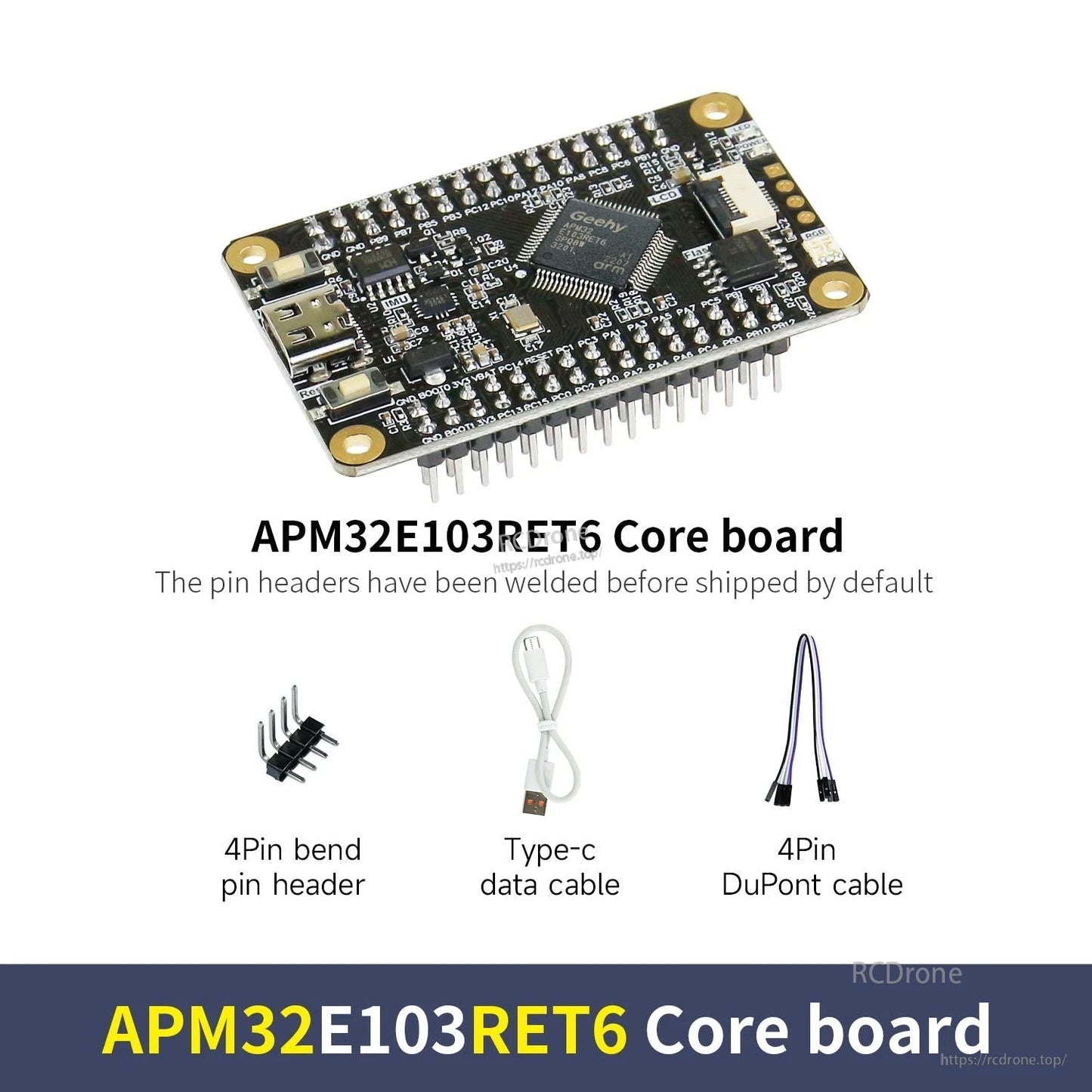
De kernbordkit bevat een voorgelast ontwikkelbord plus een 4-pins gebogen header, een USB-C datakabel en een 4-pins Dupont-leiding voor snelle bedrading.
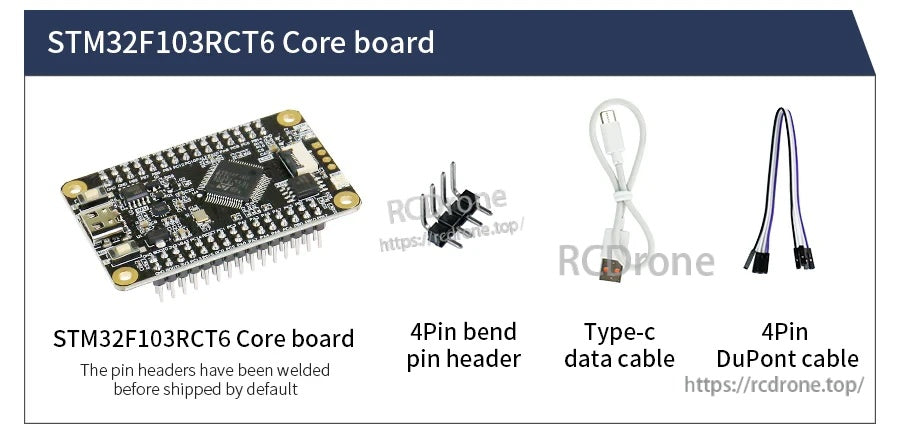
Het STM32F103RCT6 kernbord bevat voorgelaste pinheaders plus een 4-pins gebogen header, Type-C datakabel en 4-pins DuPont-leiding voor eenvoudige bedrading.