Axisflying C2 Analog HD FPV Camera for DIY Drones, 1/4'' CMOS, 1200TVI, PAL/NTSC, 5–40V, H100°/V70° FOV
Axisflying C2 Analog HD FPV Camera for DIY Drones, 1/4'' CMOS, 1200TVI, PAL/NTSC, 5–40V, H100°/V70° FOV
Axisflying
Regular price
$25.00 USD
Regular price
Sale price
$25.00 USD
Unit price
per
Taxes included.
Shipping calculated at checkout.
Couldn't load pickup availability


Overview
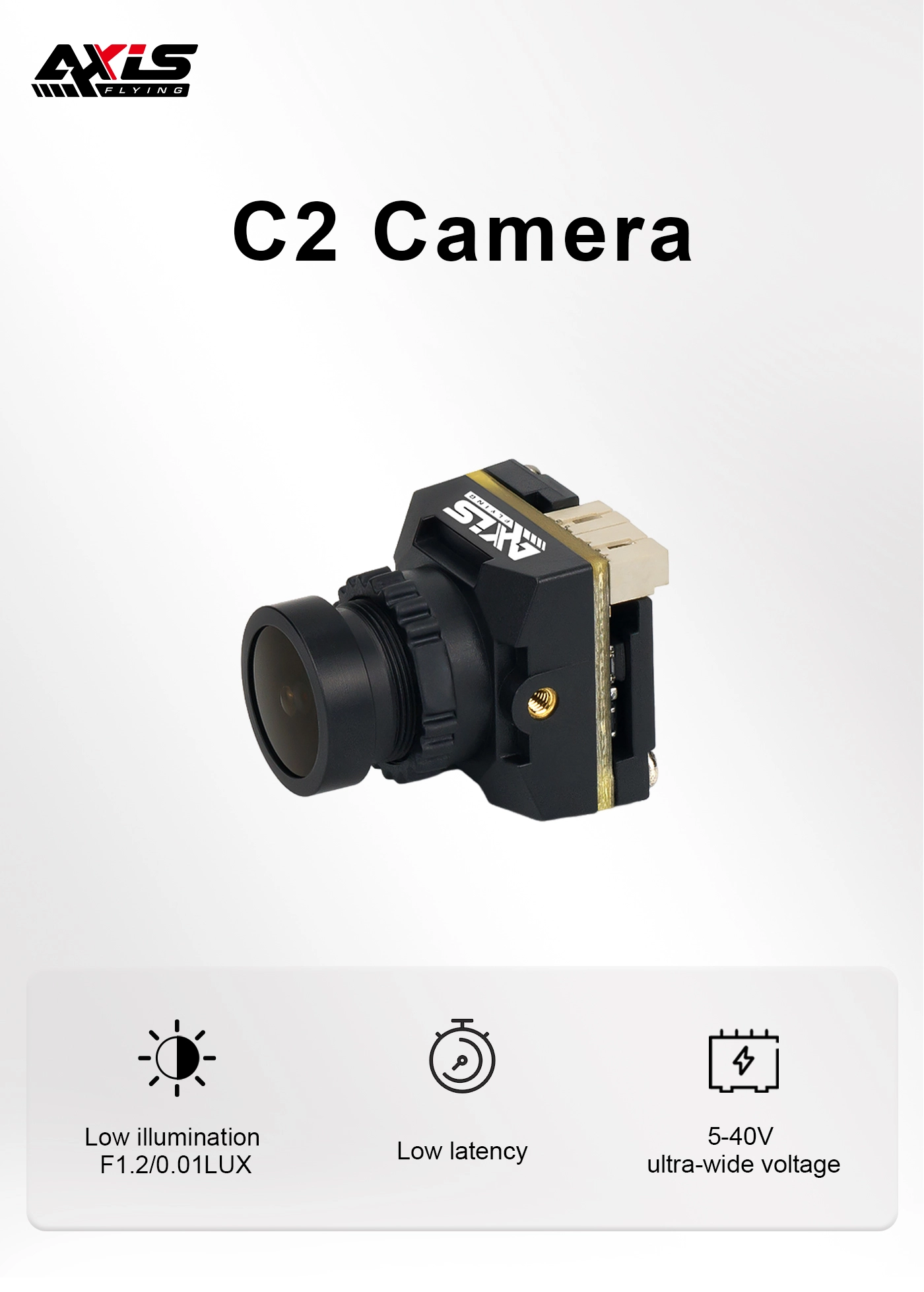
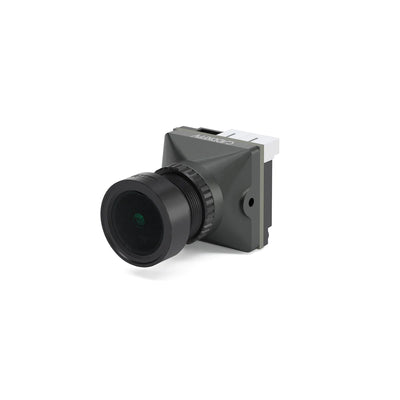
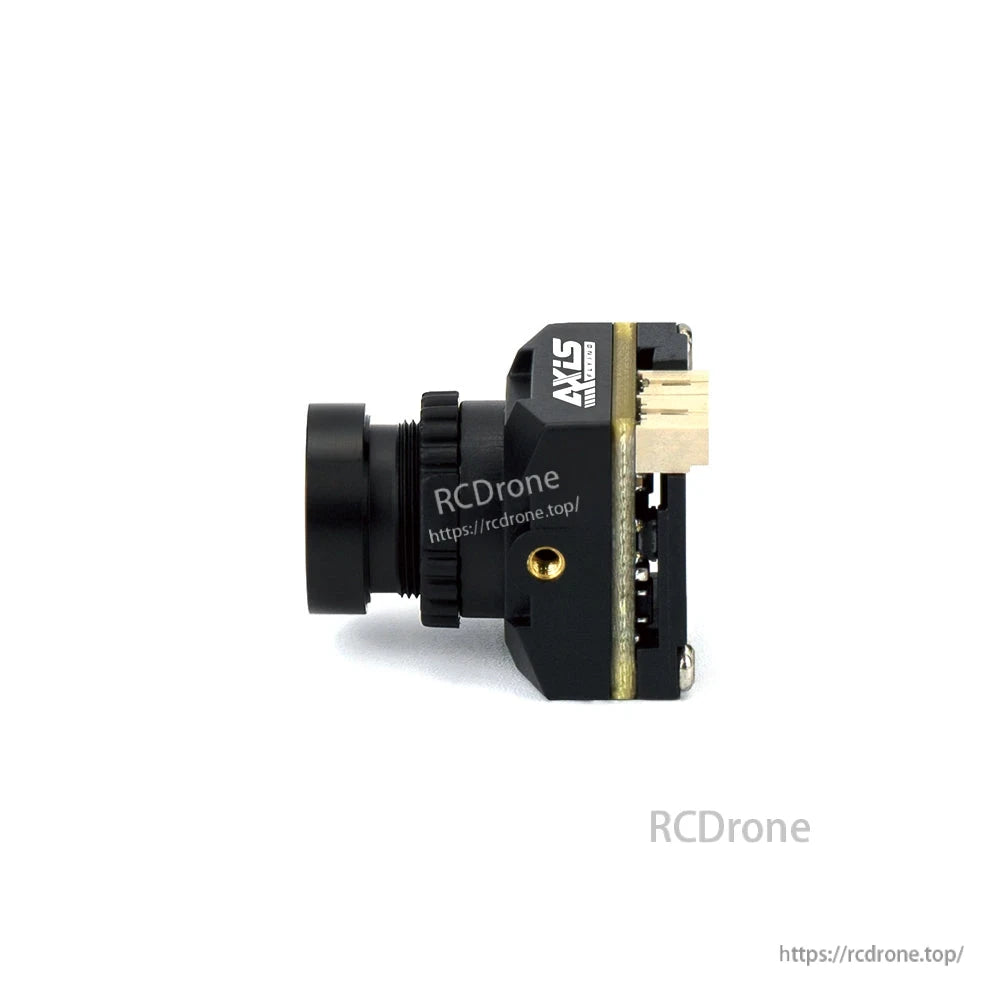
The Axisflying C2 is an analog HD FPV camera for DIY drone builds. It uses a 1/4" CMOS sensor and outputs CVBS video with PAL/NTSC selectable formats. The camera delivers low latency performance, wide 5–40V input compatibility, and low-illumination operation with an F1.2 lens, making it suitable for FPV racing and freestyle applications.
Key Features
- Analog CVBS output with PAL/NTSC selectable formats
- 1200TVI horizontal resolution and 16:9 aspect ratio
- Wide field of view: H100° / V70°
- Low latency imaging
- Ultra-wide operating voltage range: 5–40V
- Low-light sensitivity rated at 0.05Lux; F1.2 lens
- Auto electronic shutter and auto white balance
- 2D noise reduction; Day/Night mode: COLOR
- Compact 19mm × 19mm body; operating current 60mA@12V
- Operating temperature: -20℃ to 70℃
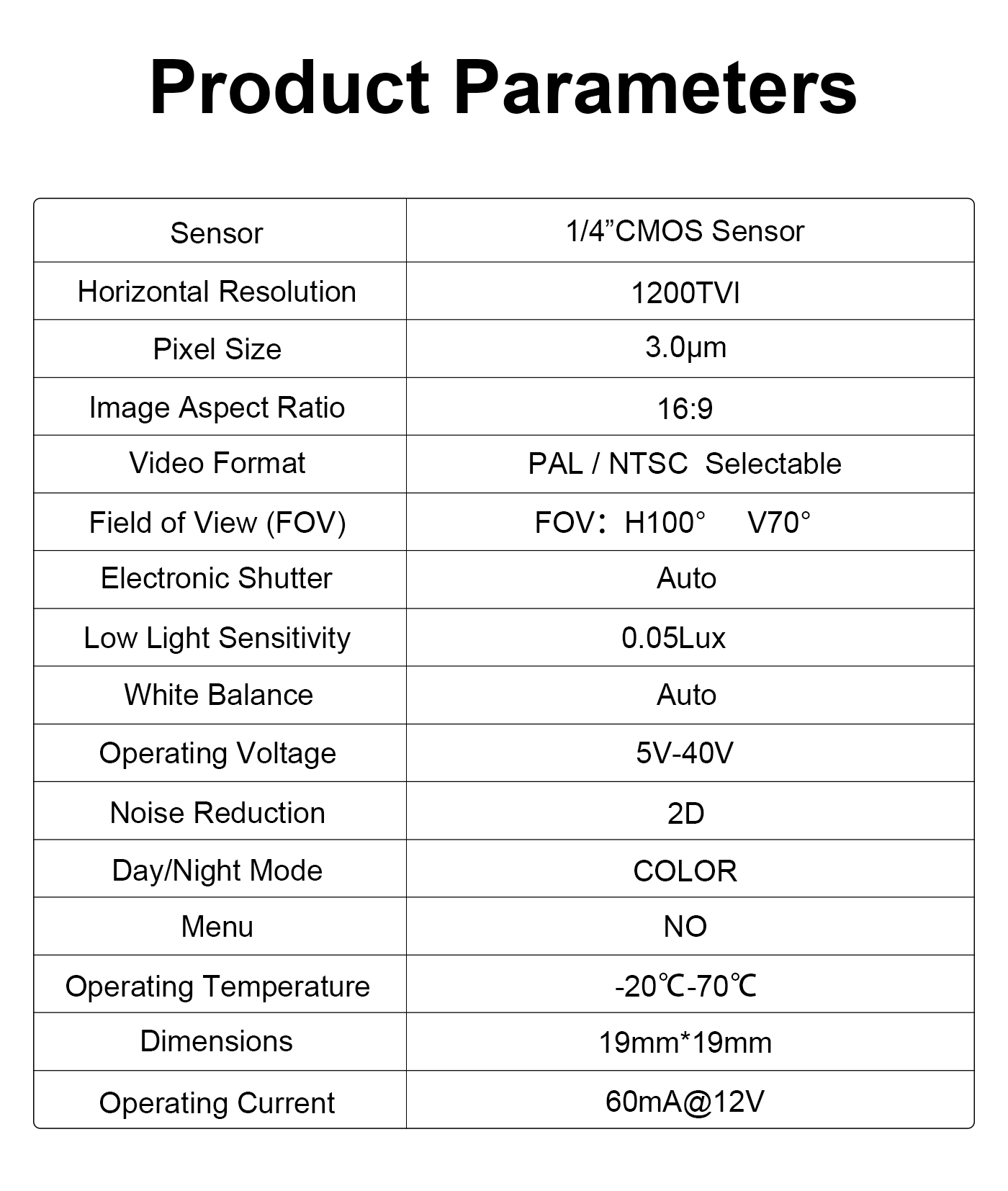
Specifications
| Sensor | 1/4" CMOS Sensor |
|---|---|
| Horizontal Resolution | 1200TVI |
| Pixel Size | 3.0μm |
| Image Aspect Ratio | 16:9 |
| Video Format | PAL / NTSC selectable |
| Field of View (FOV) | H100° / V70° |
| Electronic Shutter | Auto |
| Low Light Sensitivity | 0.05Lux |
| White Balance | Auto |
| Operating Voltage | 5V–40V |
| Noise Reduction | 2D |
| Day/Night Mode | COLOR |
| Menu | NO |
| Operating Temperature | -20℃–70℃ |
| Dimensions | 19mm × 19mm |
| Operating Current | 60mA@12V |
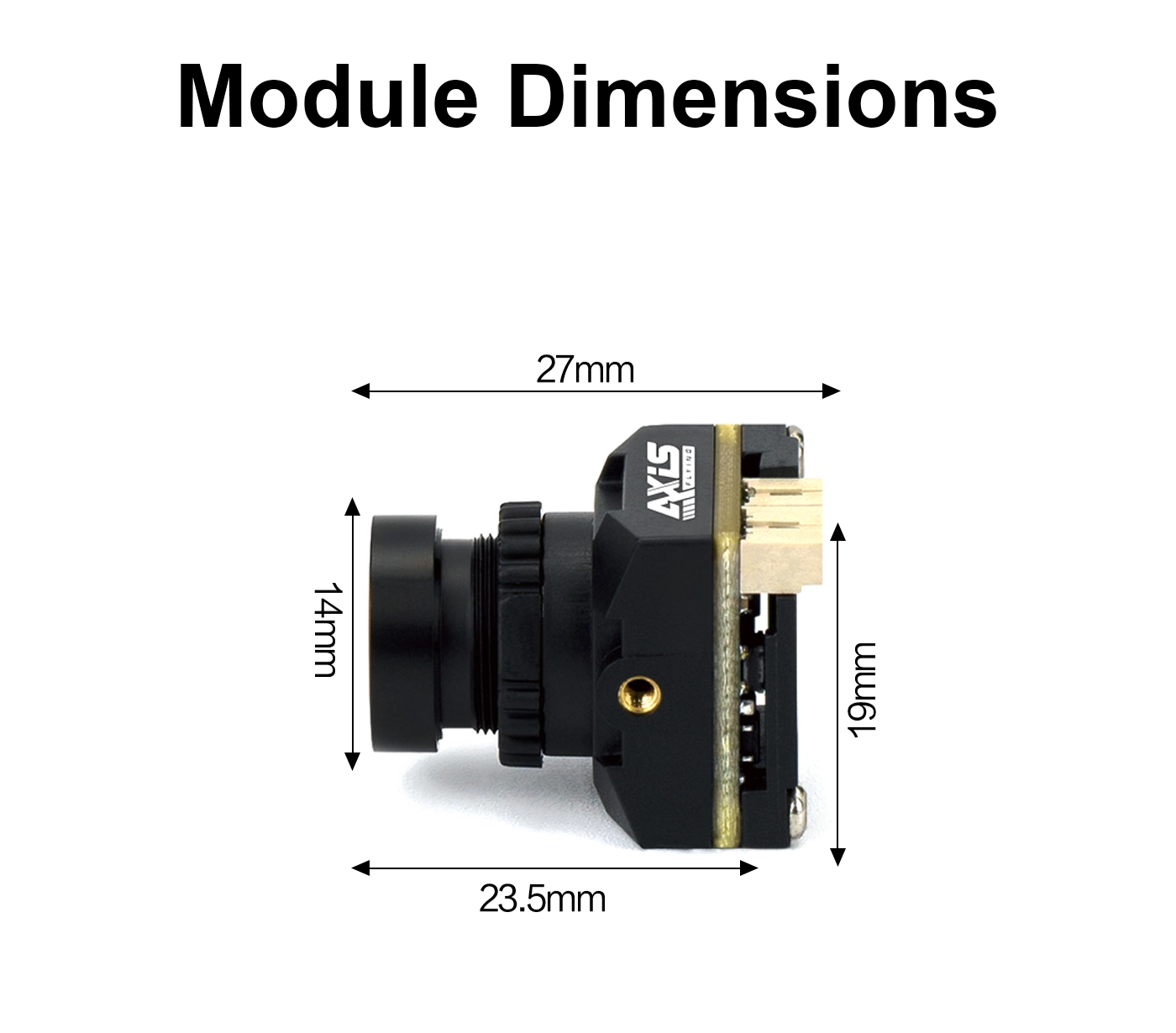
Module Dimensions
- 27mm (overall length as shown)
- 23.5mm
- 14mm
- 19mm
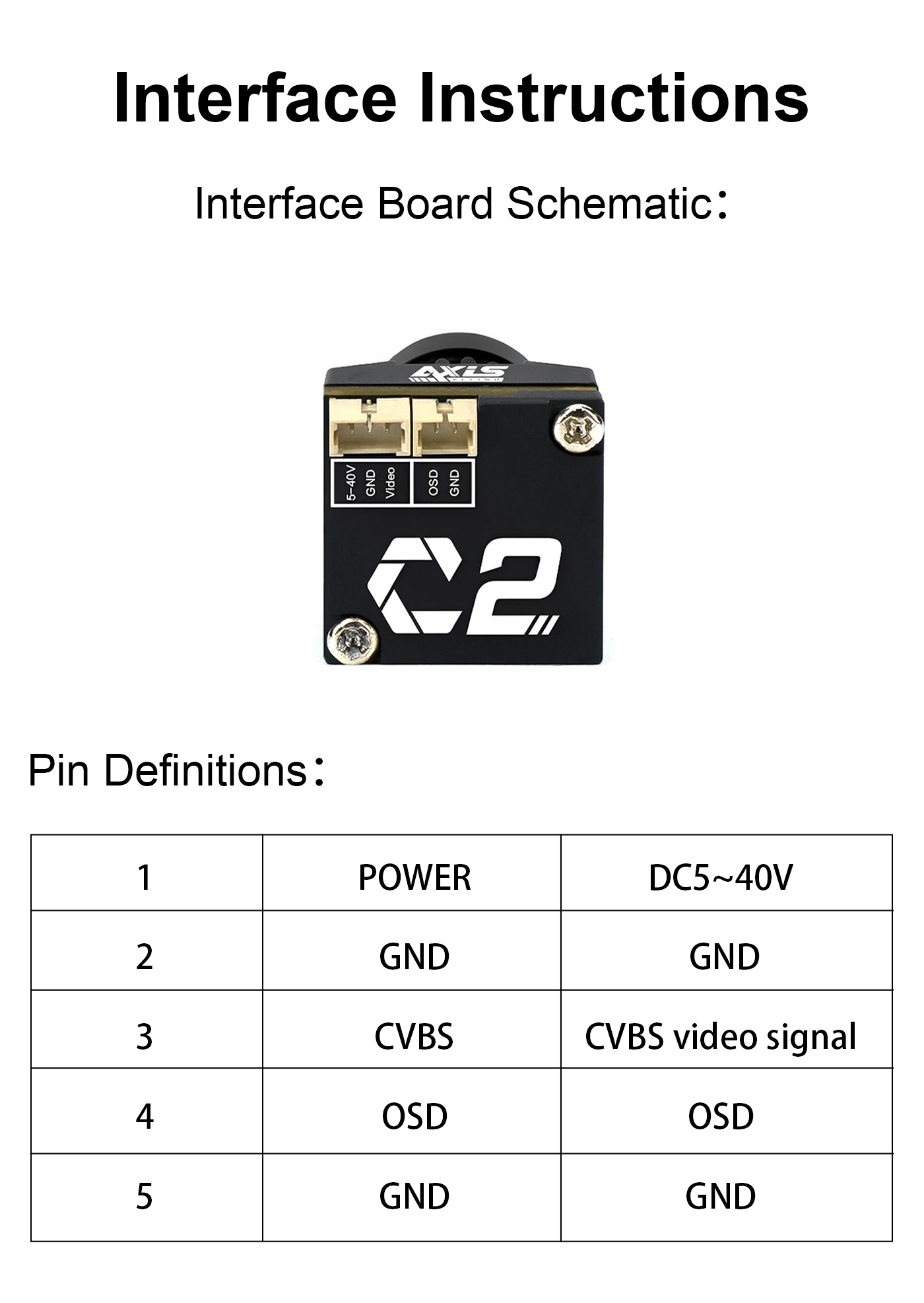
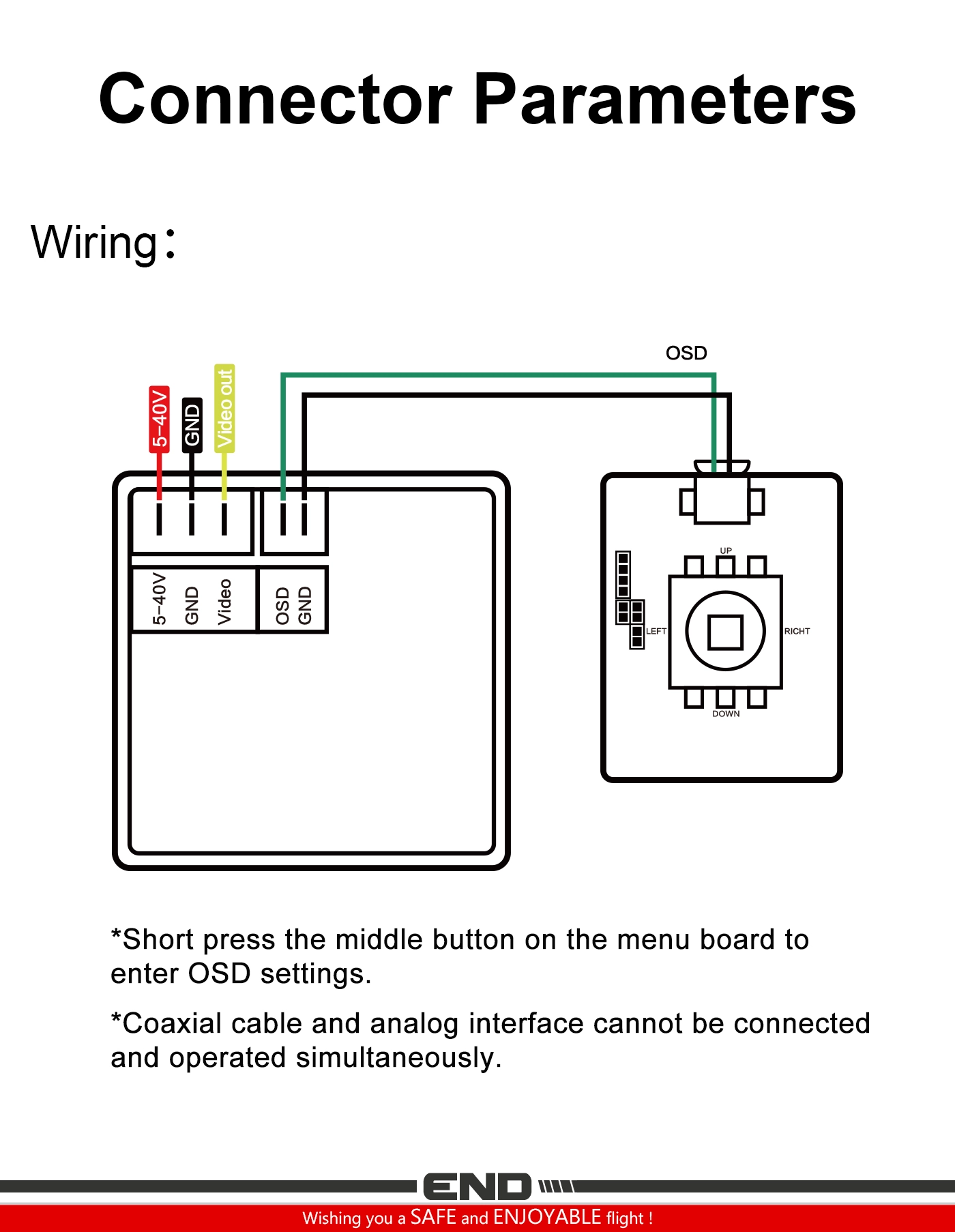
Interface & Wiring
| Pin | Name | Description |
|---|---|---|
| 1 | POWER | DC5~40V |
| 2 | GND | GND |
| 3 | CVBS | CVBS video signal |
| 4 | OSD | OSD |
| 5 | GND | GND |
- Short press the middle button on the menu board to enter OSD settings.
- Coaxial cable and analog interface cannot be connected and operated simultaneously.
Applications
Designed for analog HD FPV systems in DIY drones, including racing and freestyle builds requiring wide-voltage compatibility, low latency, and stable imaging.
Details