Overview
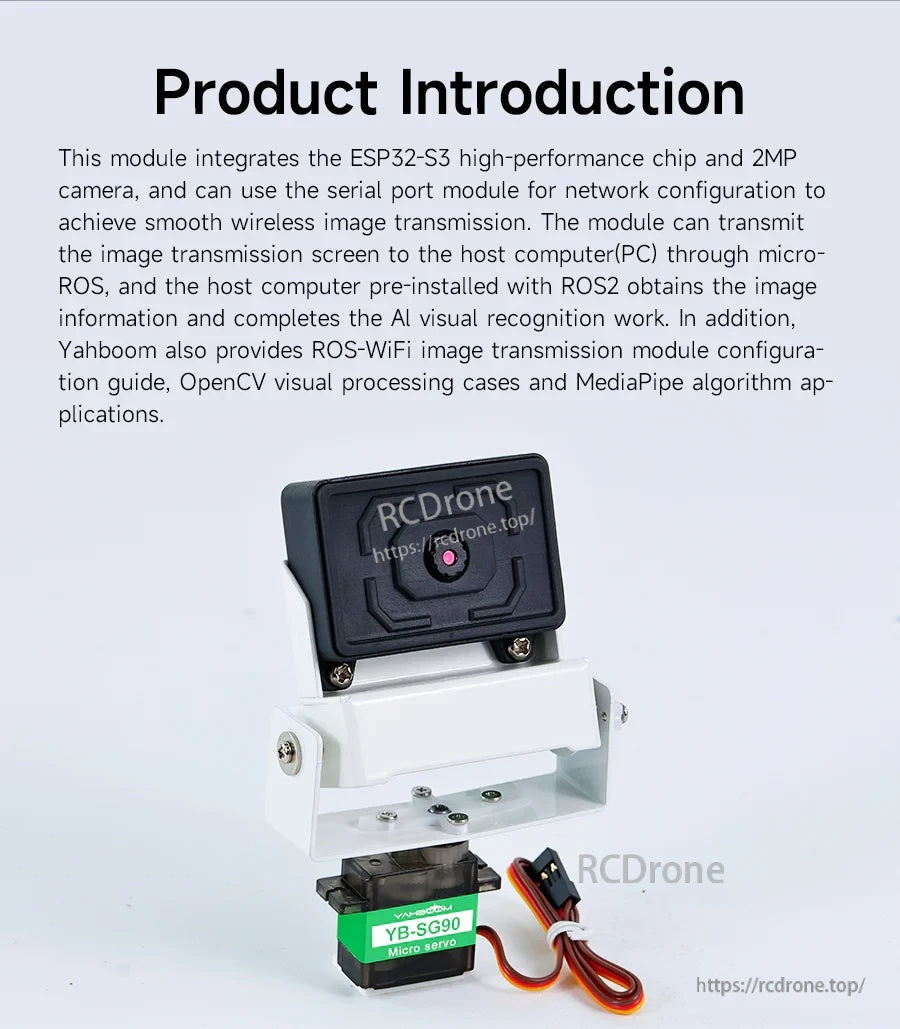
This ROS-WiFi camera module (camera module product type) integrates an ESP32-S3 chip, a 2MP camera, and a black 3D printed case for wireless image transmission on ROS2 robots. WiFi network information can be configured through the serial port module to enable smoother wireless image transmission within the same LAN. Using the microROS protocol, the module provides real-time image data to a host computer running ROS2, enabling AI visual recognition applications.
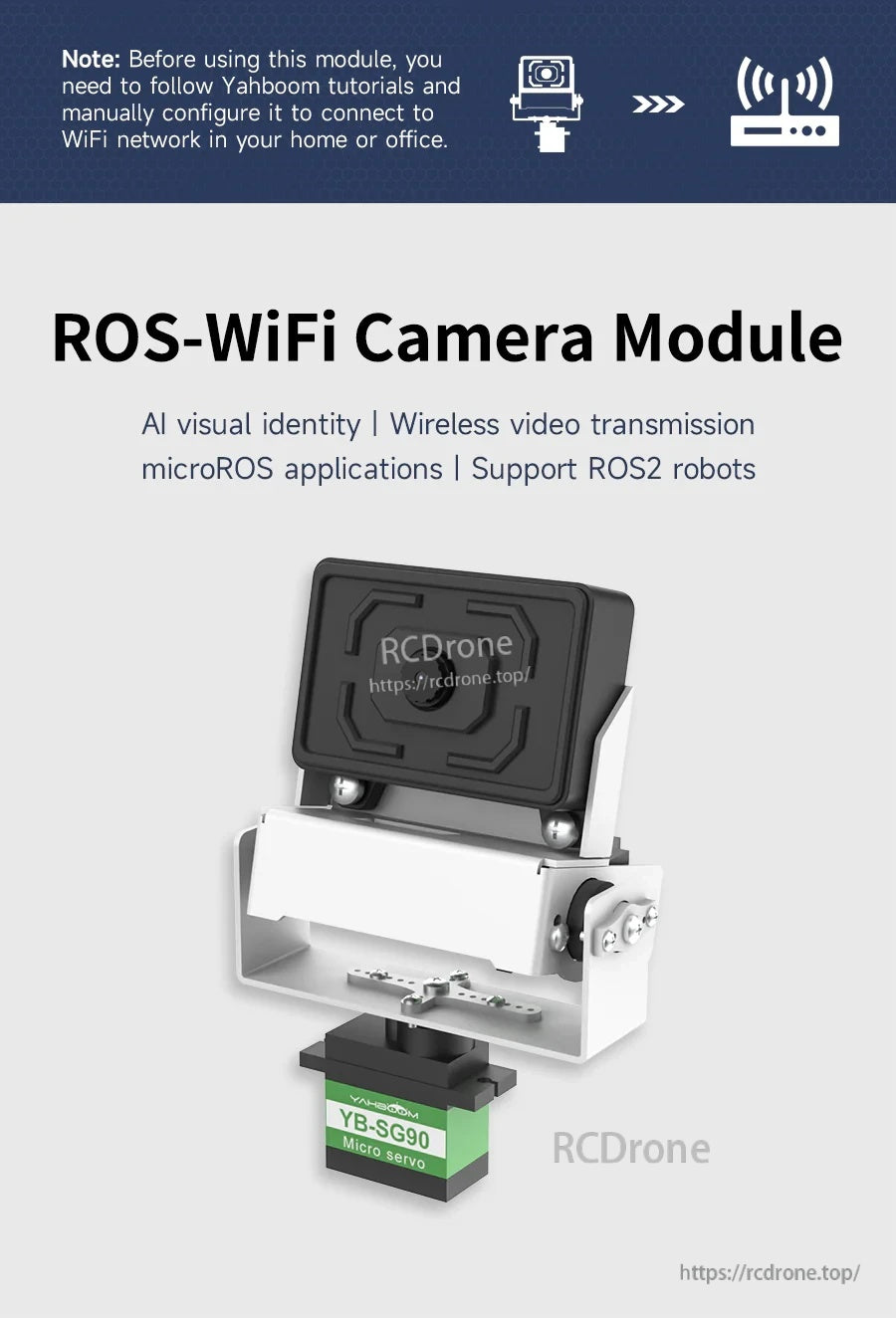
Note: Before using this module, follow Yahboom tutorials and manually configure it to connect to the WiFi network in a home or office environment.
Key Features
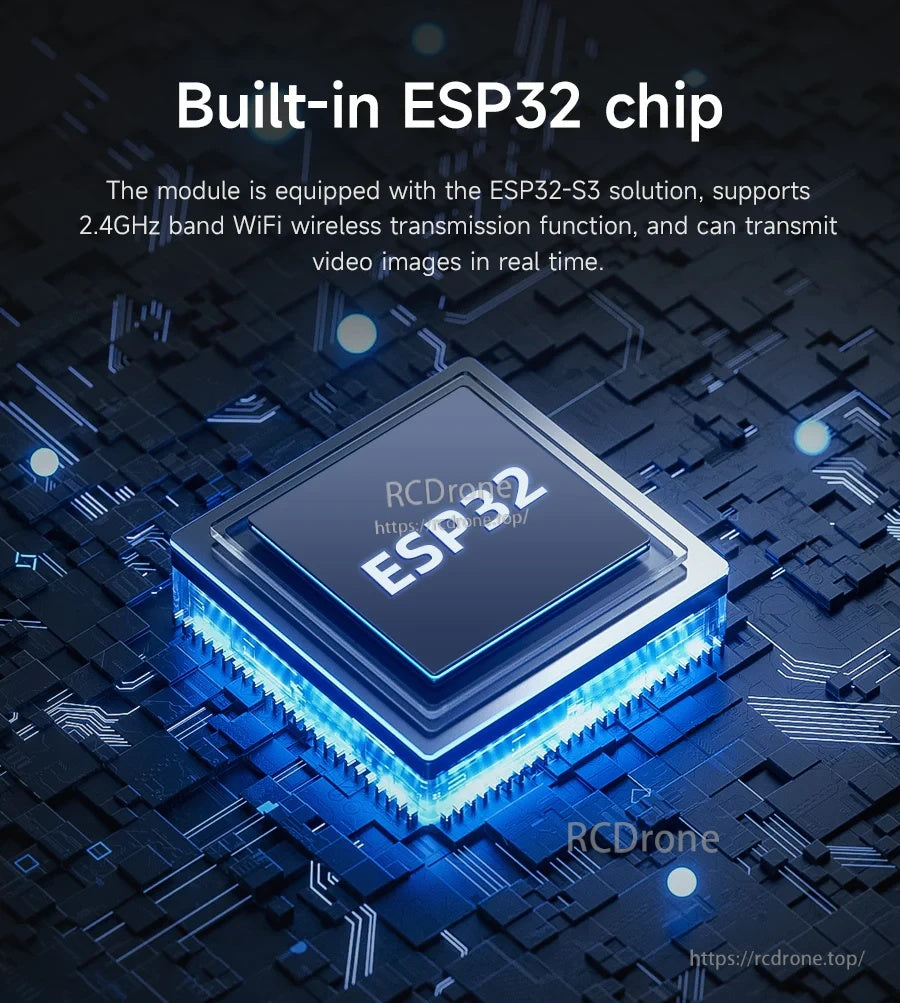
- Built-in ESP32-S3 solution; supports 2.4GHz band WiFi wireless transmission and real-time video image transmission.
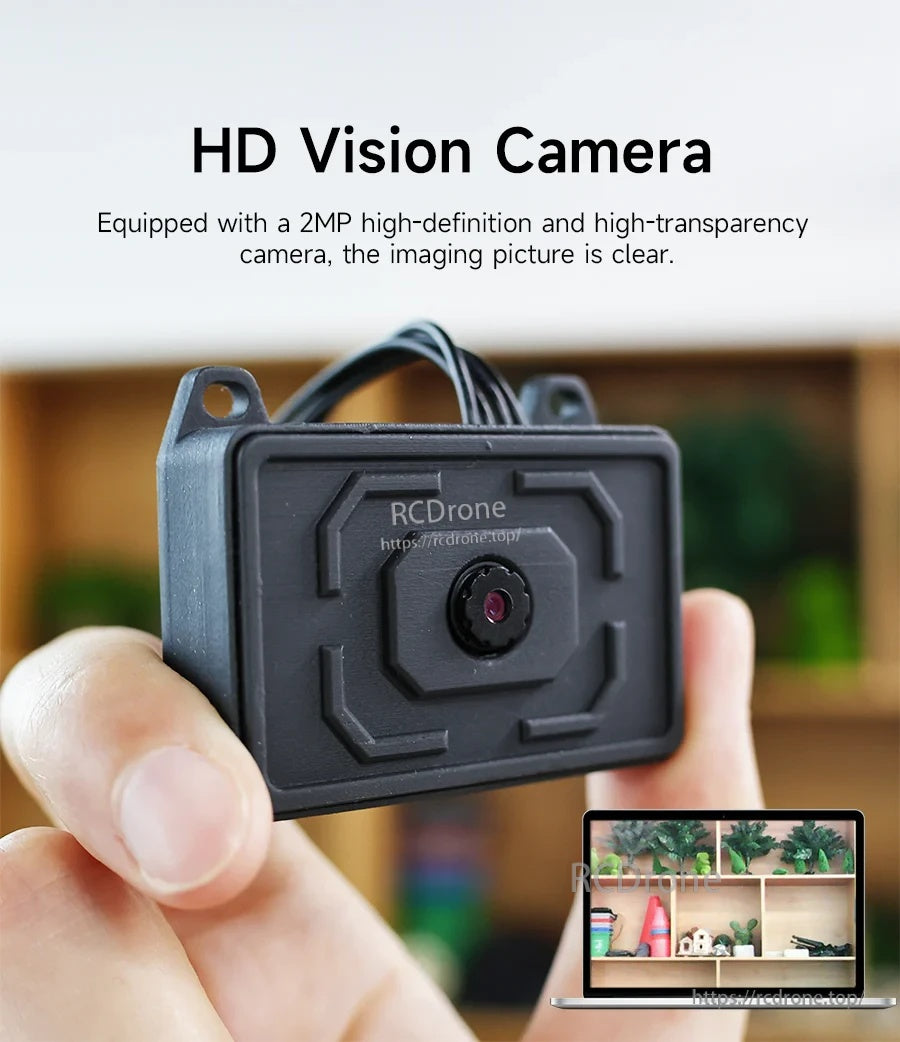
- 2MP high-definition camera for clear imaging.
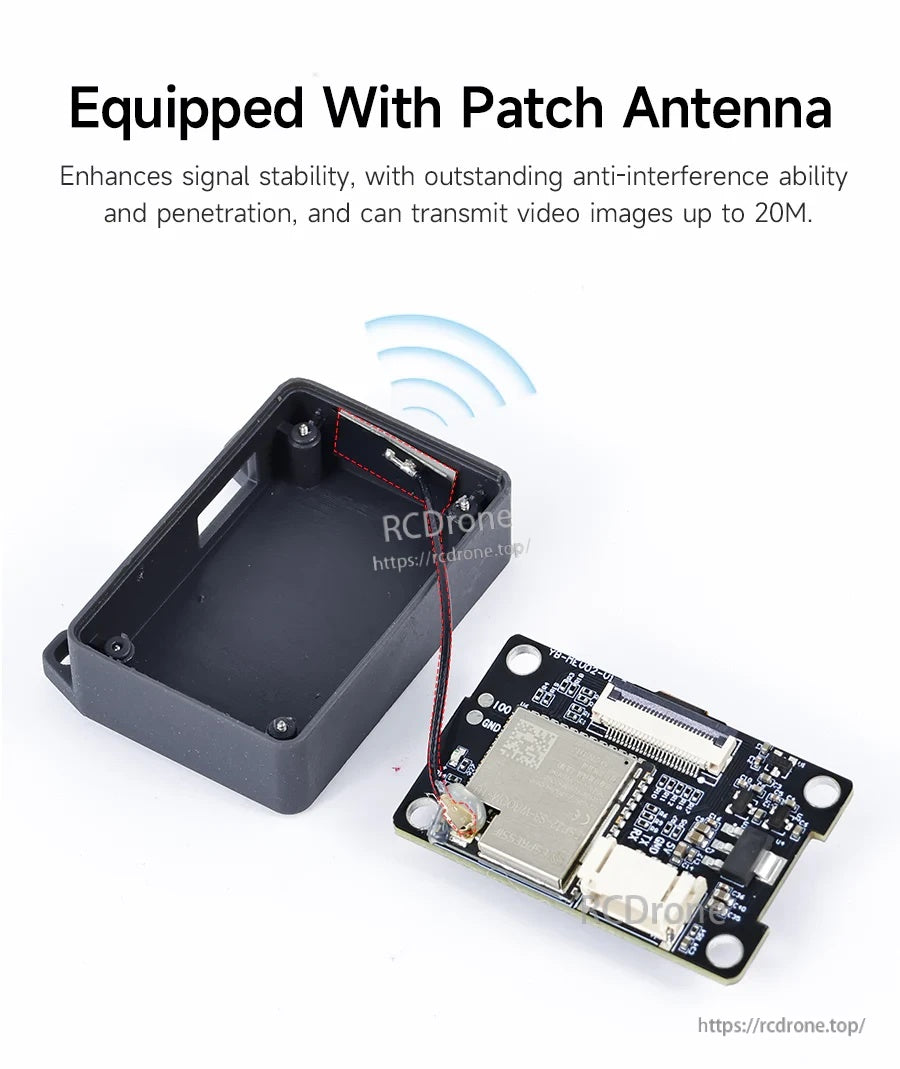
- Patch antenna design to enhance signal stability; supports transmitting video images up to 20M.
- Wireless video transmission and ROS image transmission solution for ROS2 development.
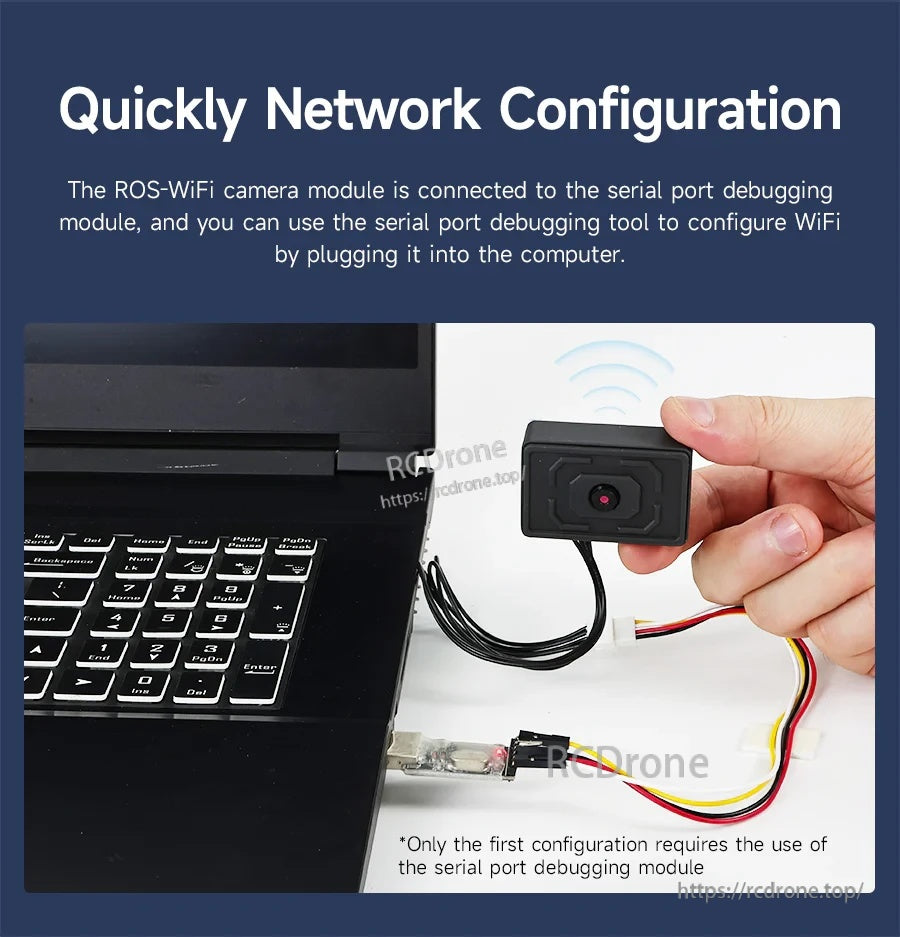
- WiFi configuration via serial port module; supports WiFi connection + hotspot mode.
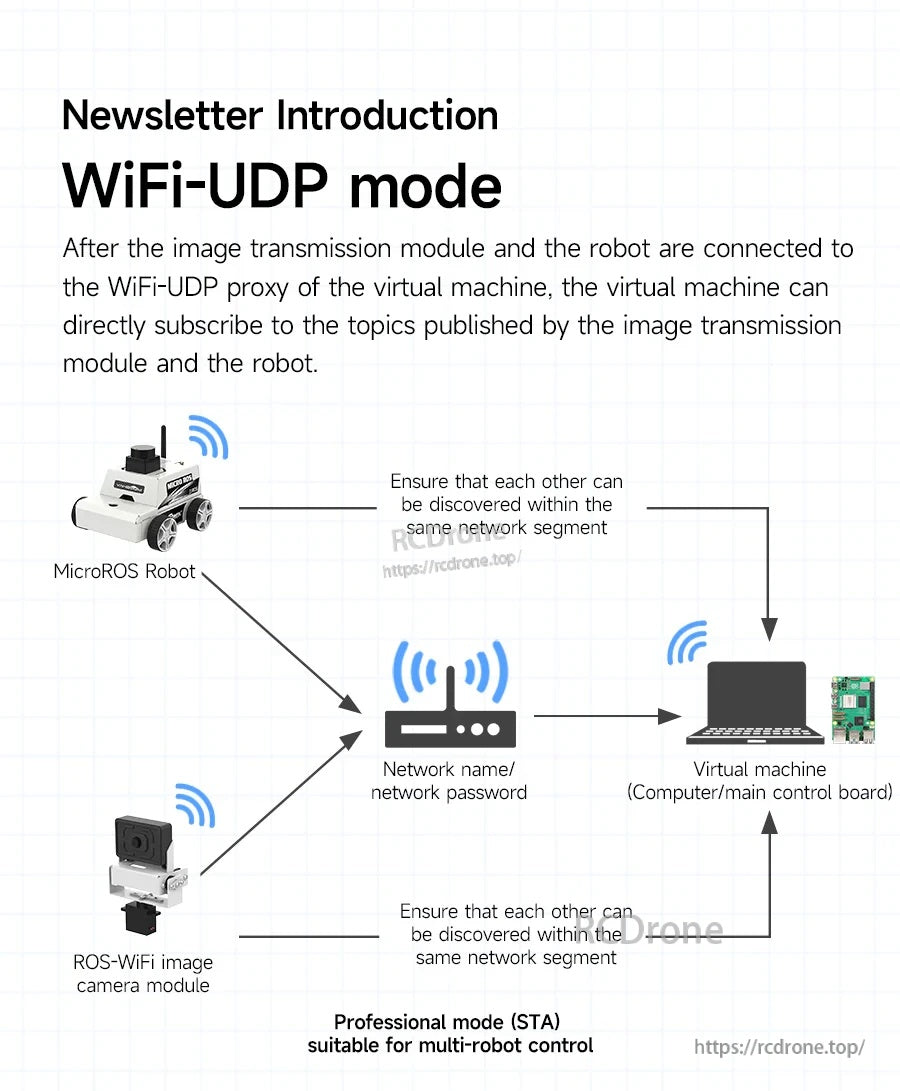
- Supports WiFi-UDP mode; after connecting the image transmission module and robot to the WiFi-UDP proxy of a virtual machine, the virtual machine can subscribe to topics published by the image transmission module and the robot.
- Compatibility guidance: can be remotely connected to PC virtual machines, Raspberry Pi series, Jetson series, and other main control boards.
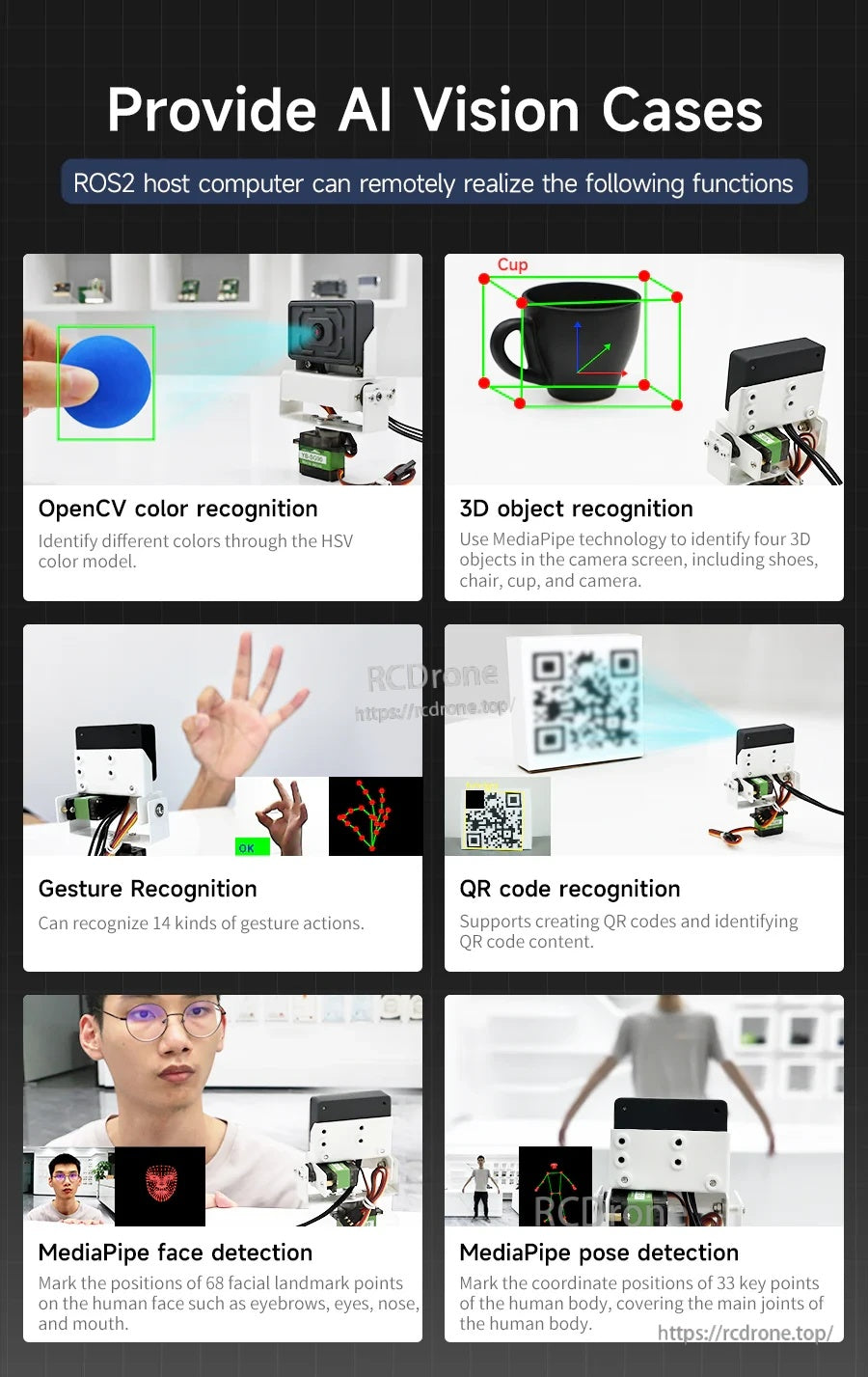
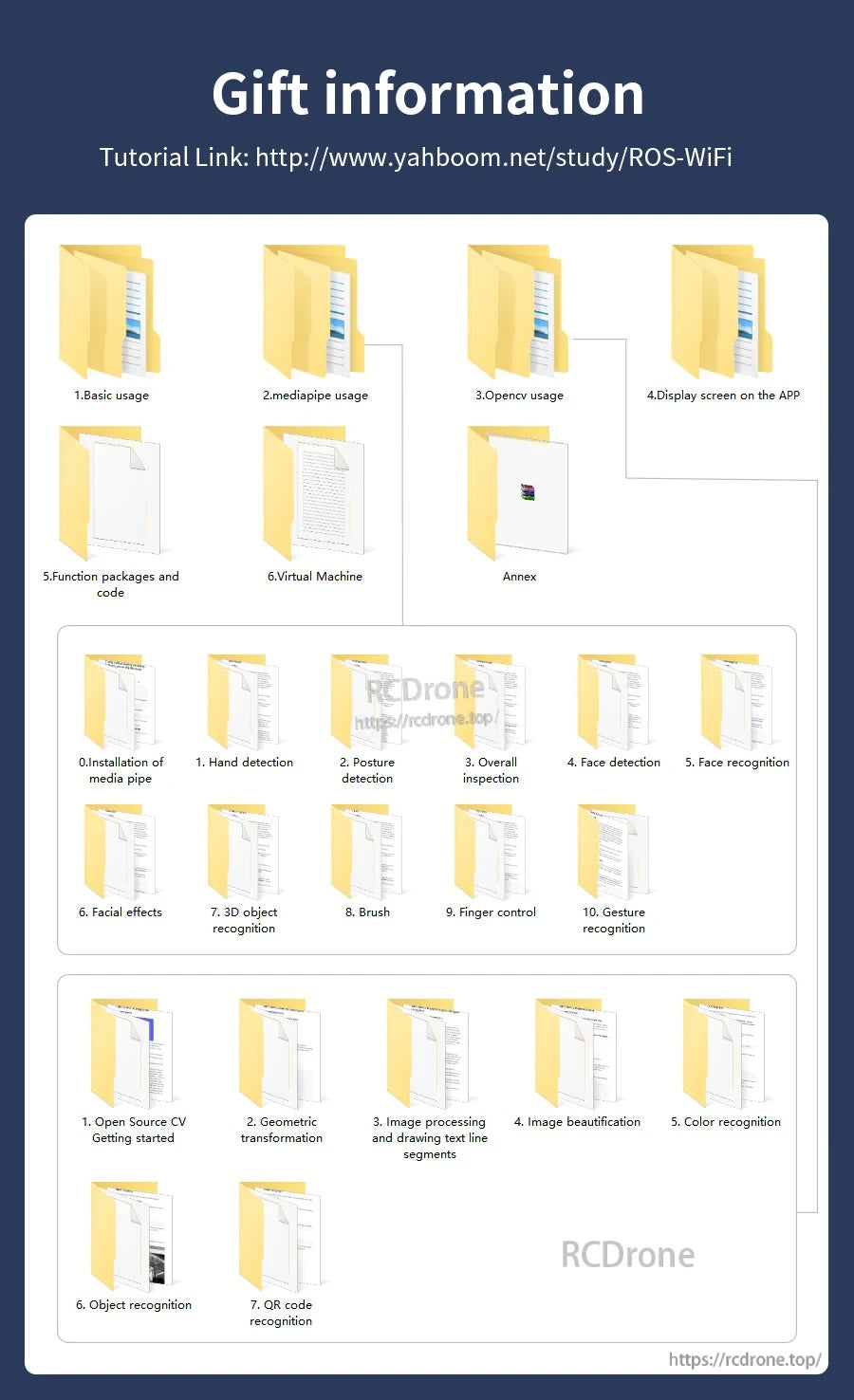
- Provides AI vision program cases (examples include: OpenCV color recognition using HSV, MediaPipe 3D object recognition, gesture recognition (14 kinds), QR code creation/recognition, MediaPipe face detection (68 facial landmark points), and MediaPipe pose detection (33 key points)).
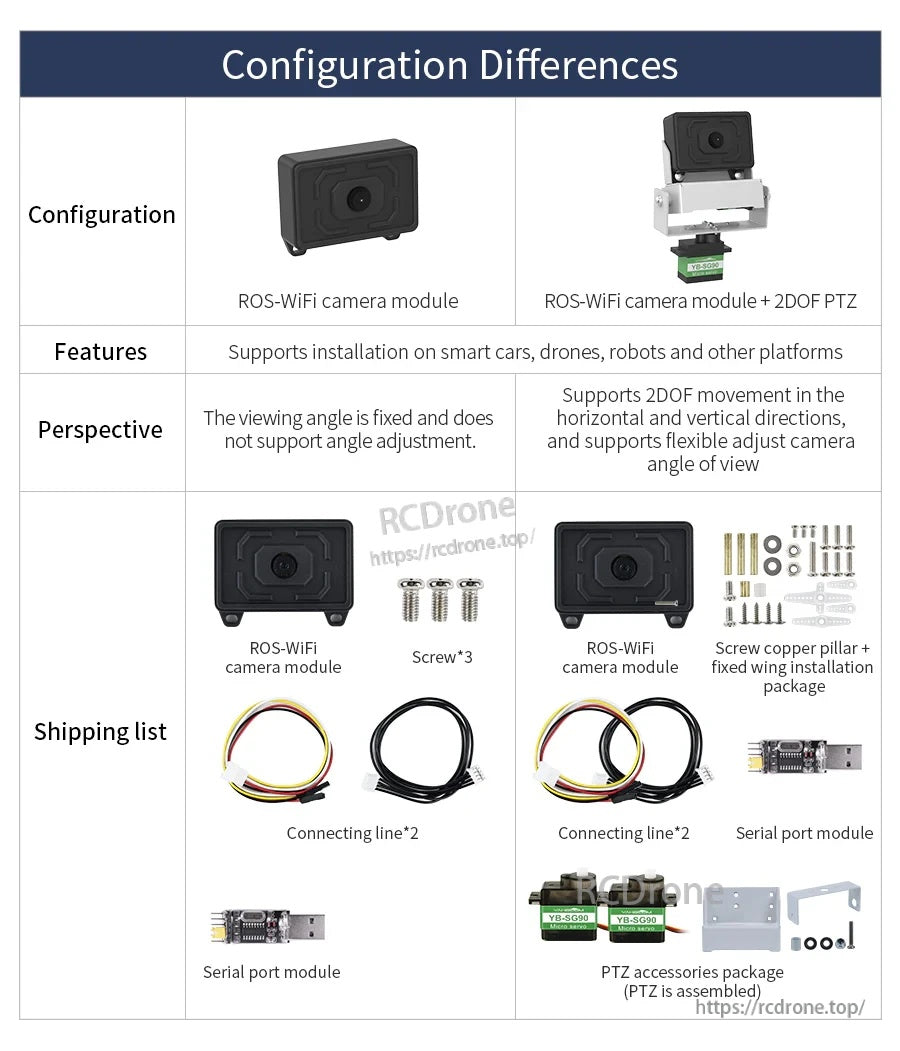
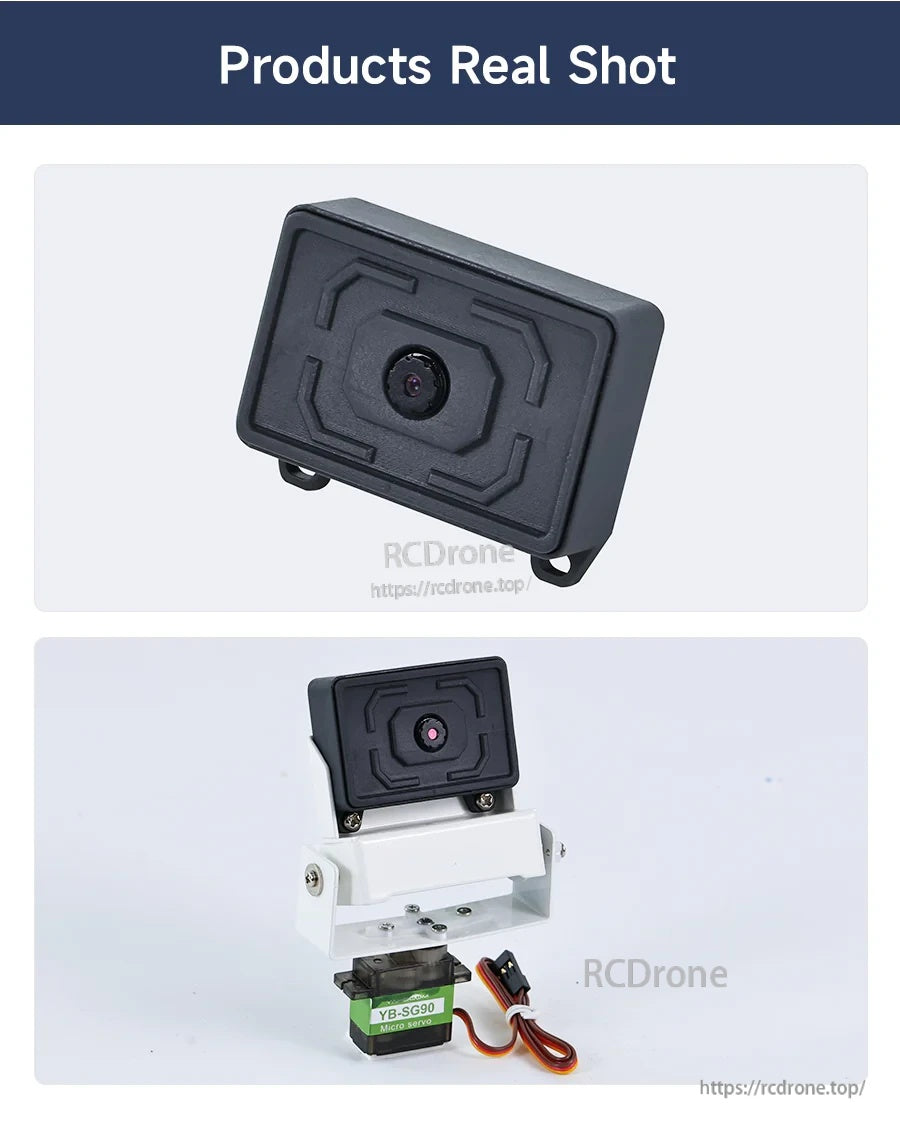
- Optional configuration support: 2D electric PTZ is supported in a PTZ configuration; the standard configuration has a fixed viewing angle without angle adjustment.
Specifications
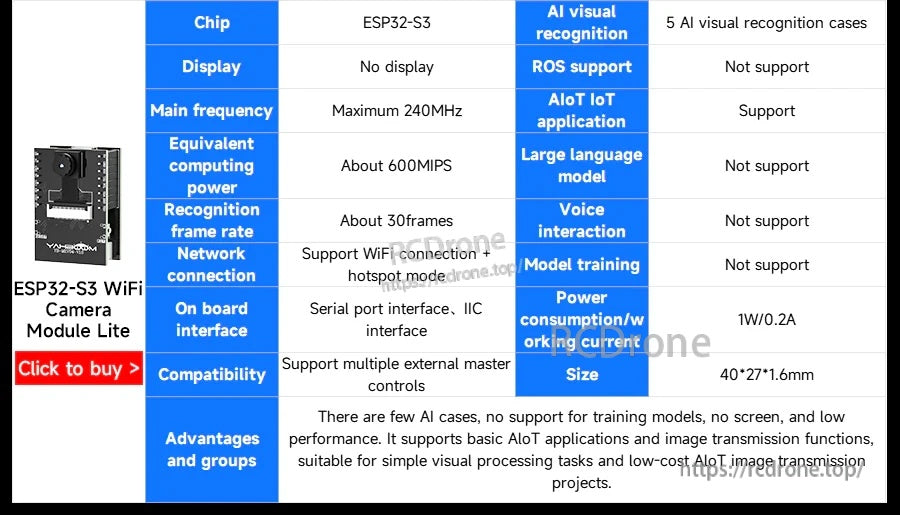
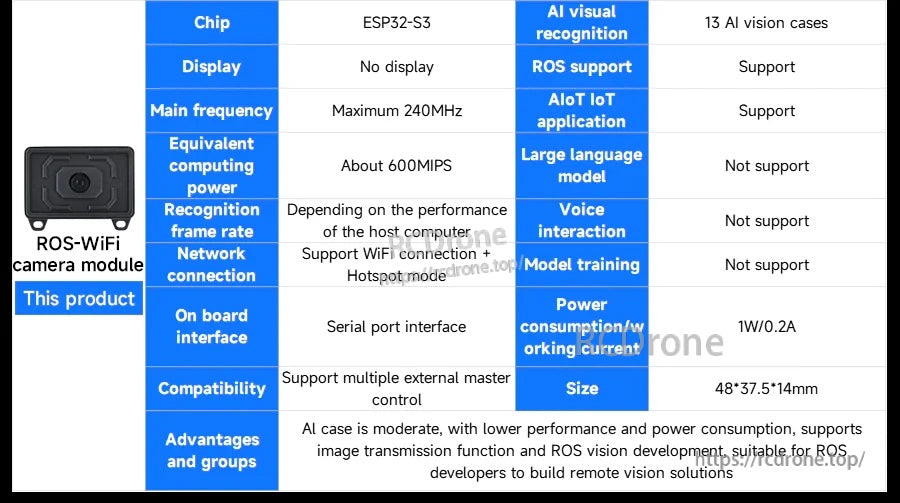
| Chip | ESP32-S3 |
| Camera | 2MP |
| WiFi | 2.4GHz band |
| Network connection | Support WiFi connection + Hotspot mode |
| Transmission mode (stated) | Support WiFi-UDP mode |
| Display | No display |
| Main frequency | Maximum 240MHz |
| Equivalent computing power | About 600MIPS |
| Recognition frame rate | Depending on the performance of the host computer |
| On board interface | Serial port interface |
| Compatibility | Support multiple external master control |
| AI visual recognition cases | 13 AI vision cases |
| ROS support | Support |
| AIoT IoT application | Support |
| Large language model | Not support |
| Voice interaction | Not support |
| Model training | Not support |
| Power consumption / working current | 1W / 0.2A |
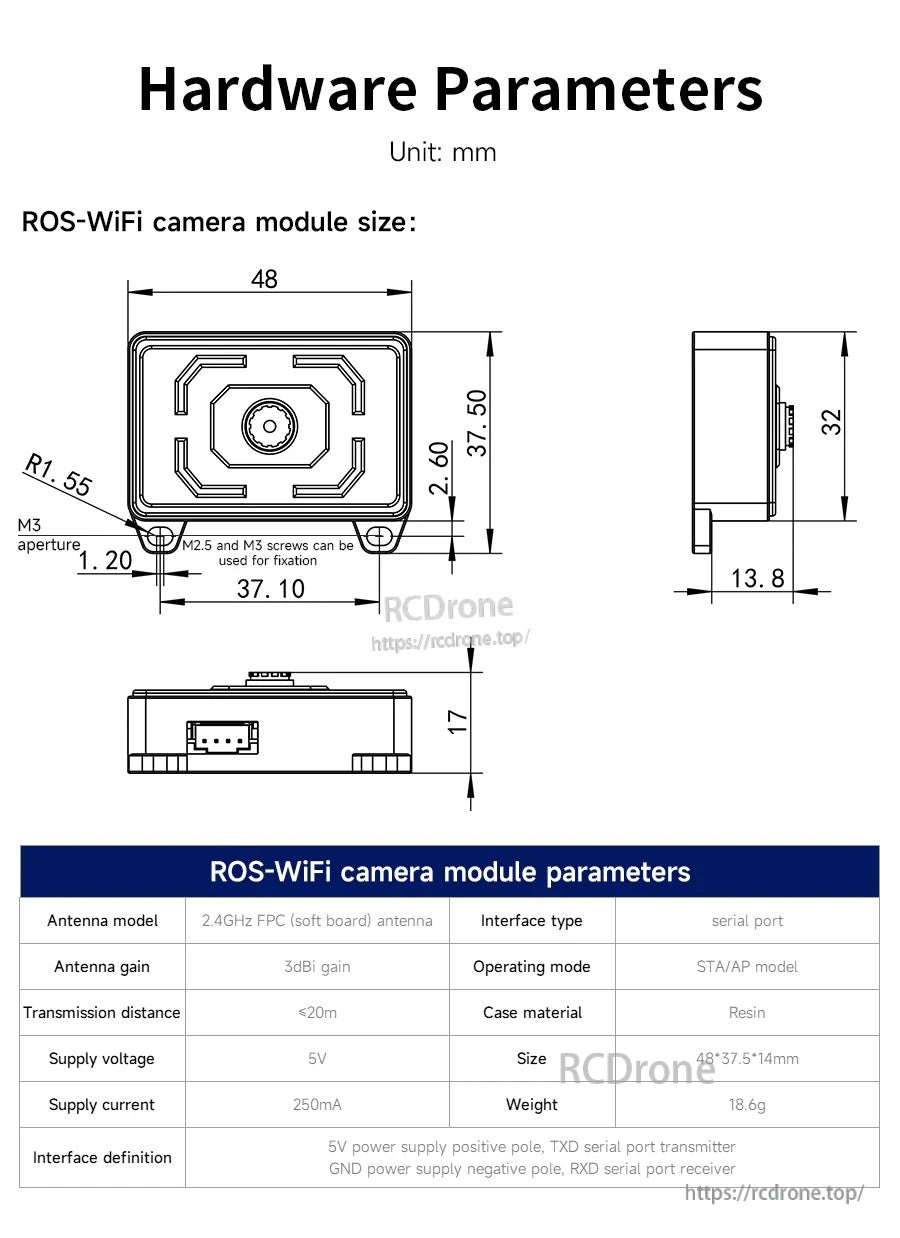
| Size | 48*37.5*14mm |
What's Included
Standard configuration (ROS-WiFi camera module)
- ROS-WiFi camera module x1
- Screw x3
- Connecting line x2
- Serial port module x1
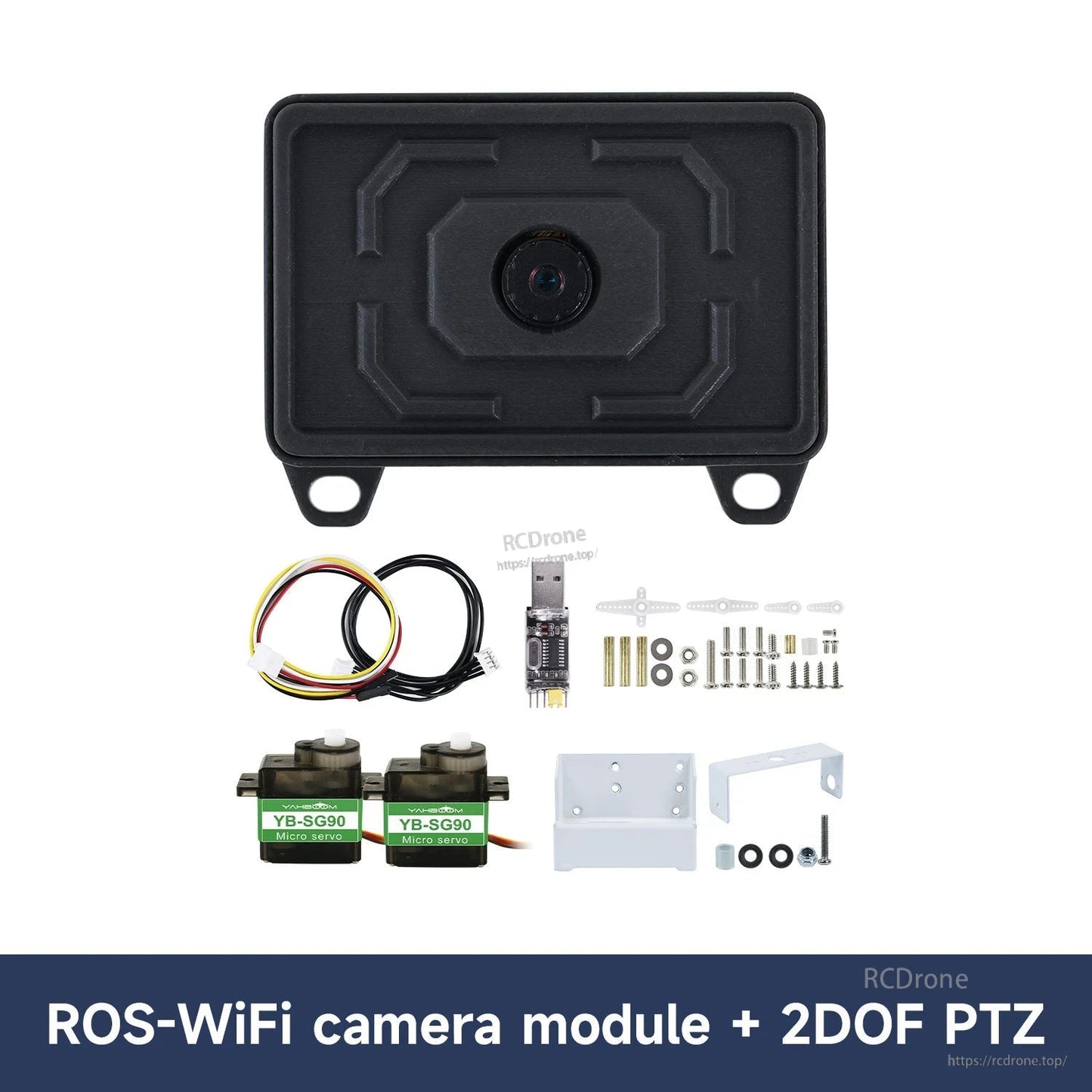
PTZ configuration (ROS-WiFi camera module + 2DOF PTZ)
- ROS-WiFi camera module x1
- Screw copper pillar + fixed wing installation package x1
- Connecting line x2
- Serial port module x1
- PTZ accessories package (PTZ is assembled) x1
For wiring, configuration, and ROS2 integration support, contact support@rcdrone.top or visit https://rcdrone.top/.
Applications
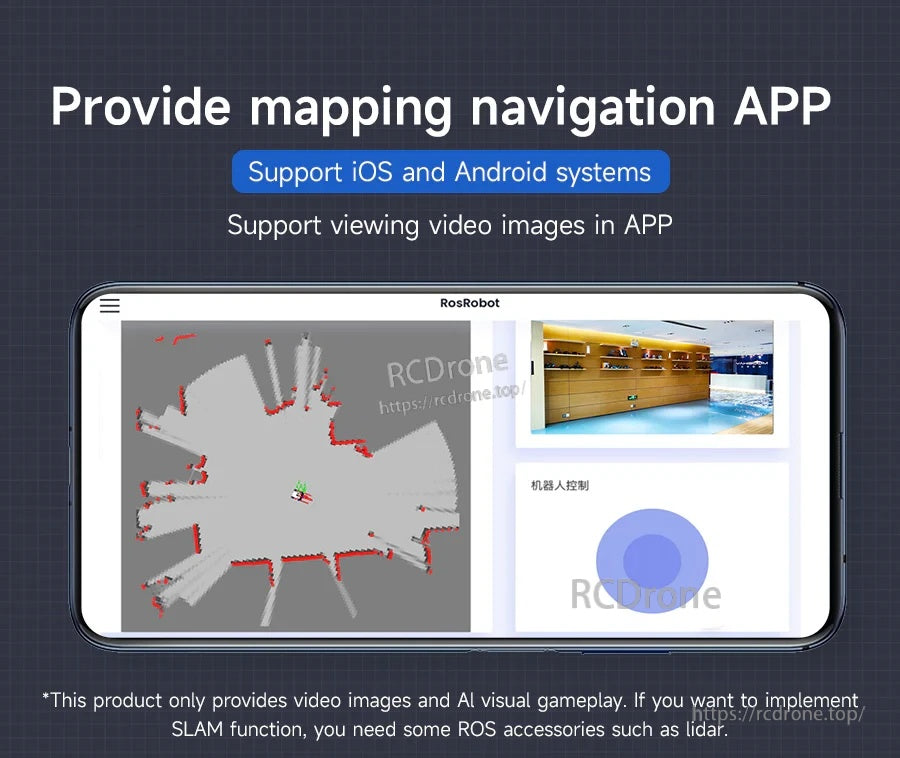
- Wireless image transmission for ROS2 robots via microROS within the same LAN
- ROS2 vision development on host computers, including PC/virtual machine environments
- AI vision demos with OpenCV and MediaPipe example cases
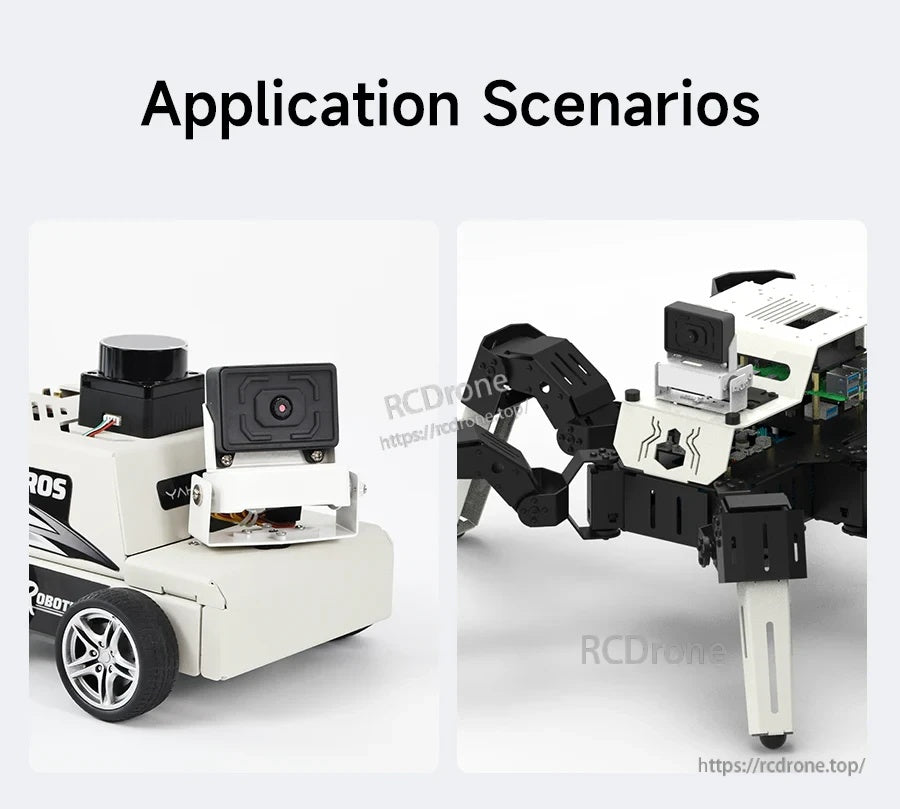
- Installation on smart cars, drones, robots, and other platforms
Details

A compact ROS-WiFi camera module for ROS2 robots, combining an ESP32-S3 and a 2MP camera in a protective 3D-printed case.

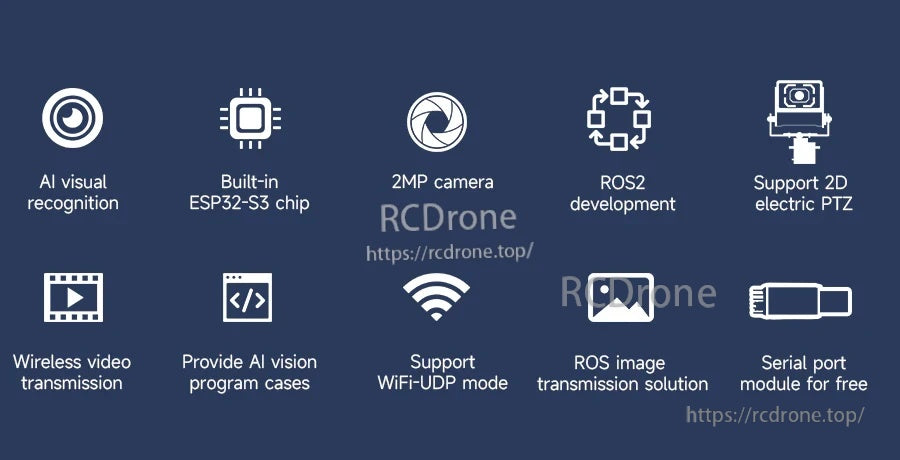
Key functions include 2.4GHz WiFi video streaming, microROS/ROS2 image topics, WiFi-UDP support, and serial-port WiFi setup.


A quick spec overview highlights ESP32-S3 processing, WiFi connection plus hotspot mode, and a serial interface for configuration.

Choose the ROS-WiFi configuration for wireless ROS image transmission and Yahboom’s included AI vision example programs.


The module connects to a host running ROS2 to publish camera image data over WiFi for computer-vision tasks.

Two build options are available: a fixed viewing angle, or an optional 2D electric PTZ setup for adjustable pan/tilt.

Compatible with common controllers such as PC virtual machines, Raspberry Pi, and Jetson for ROS2 development and debugging.

WiFi-UDP mode enables a virtual machine to subscribe to topics published by both the robot and the camera module on the same LAN.

Built-in example projects cover common vision tasks such as color recognition, gesture detection, QR decoding, and pose tracking.


A patch antenna design helps maintain a stable WiFi link for smoother image transmission within a LAN (up to 20m stated).

The 2MP HD camera delivers clearer images for downstream AI recognition on the ROS2 host computer.


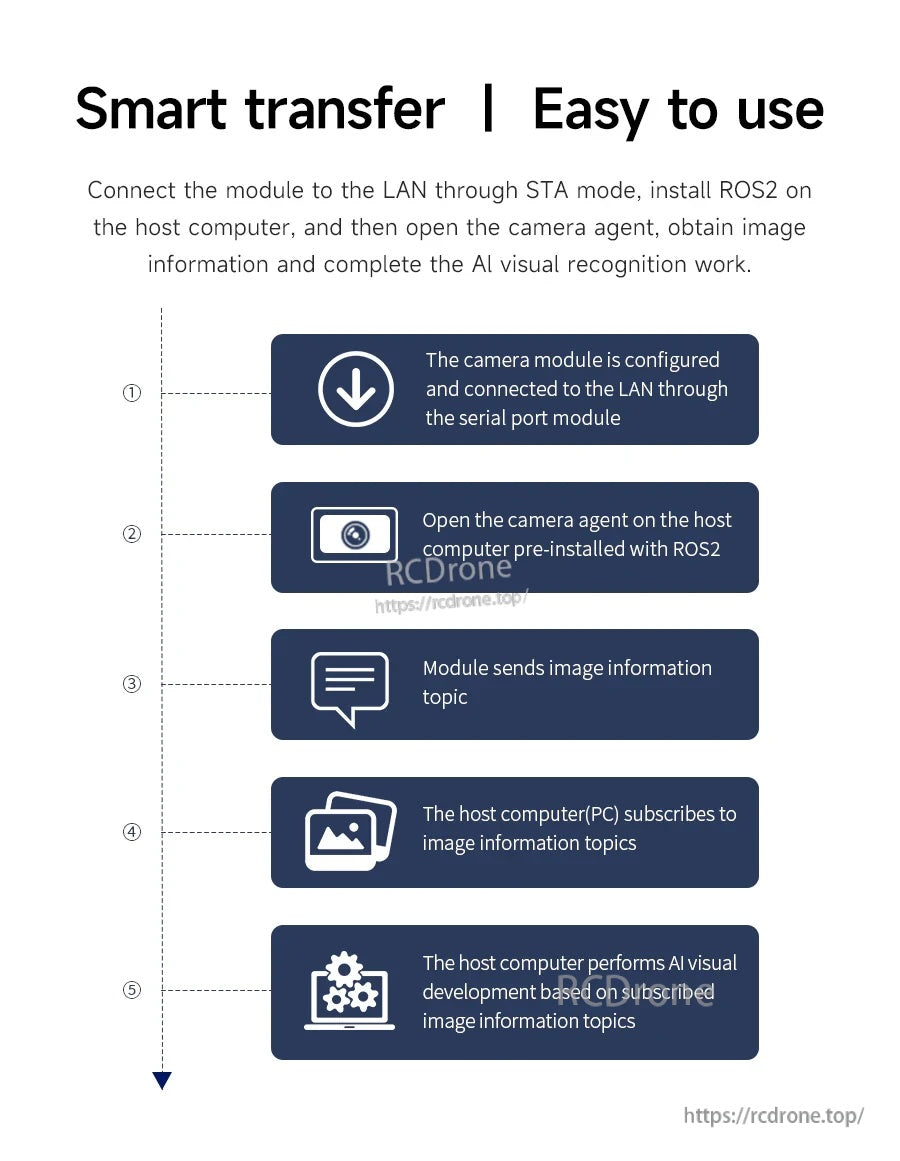
Setup follows a simple flow: configure WiFi, start the ROS2 camera agent, publish image topics, then subscribe on the host.

Initial WiFi credentials can be set via the serial port module connected to a computer before switching to wireless operation.

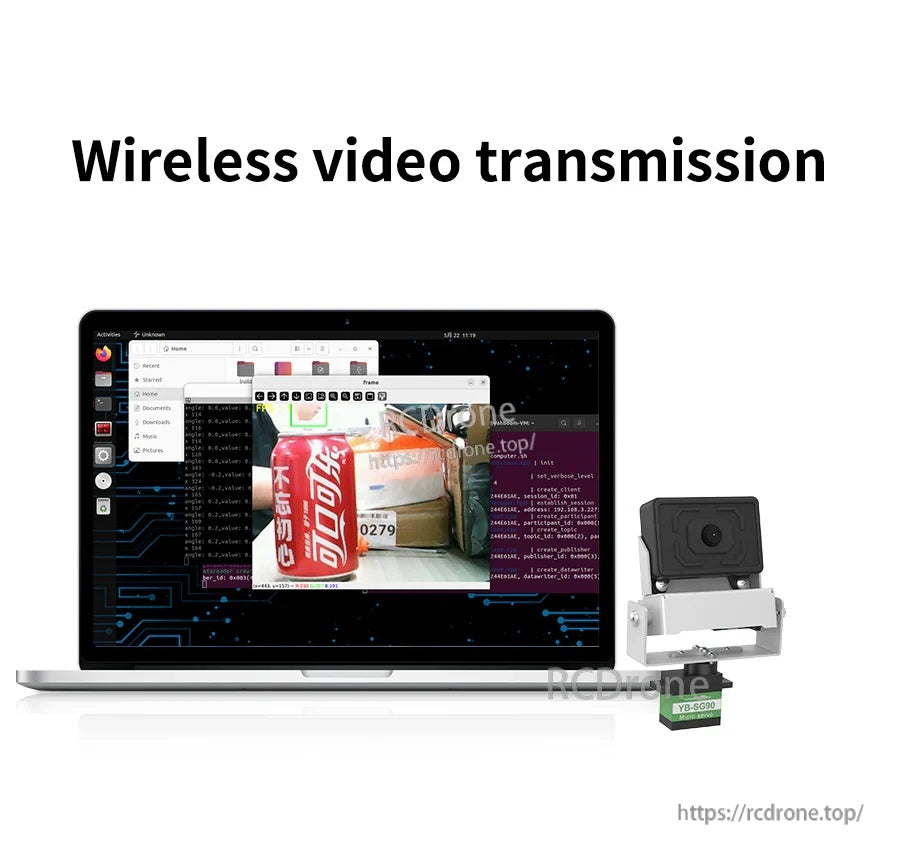
The Yahboom ROS-WiFi ESP32-S3 camera supports wireless video transmission for convenient live viewing on a computer.

The Yahboom ROS WiFi ESP32-S3 camera module can be mounted on robot cars or robotic arms for onboard vision tasks.

The Yahboom ROS-WiFi ESP32-S3 camera kit includes a tutorial download with sample projects such as OpenCV, MediaPipe, face detection, gesture control, and QR code recognition.

The Yahboom ESP32-S3 WiFi camera module features a compact lens housing and can be mounted on a small bracket with a servo for pan/tilt setups.

The ROS-WiFi camera module lists a 48×37.5×14 mm body size with a 5V serial-port interface (TXD, GND) and a 2.4GHz PCB antenna rated at 3dBi.

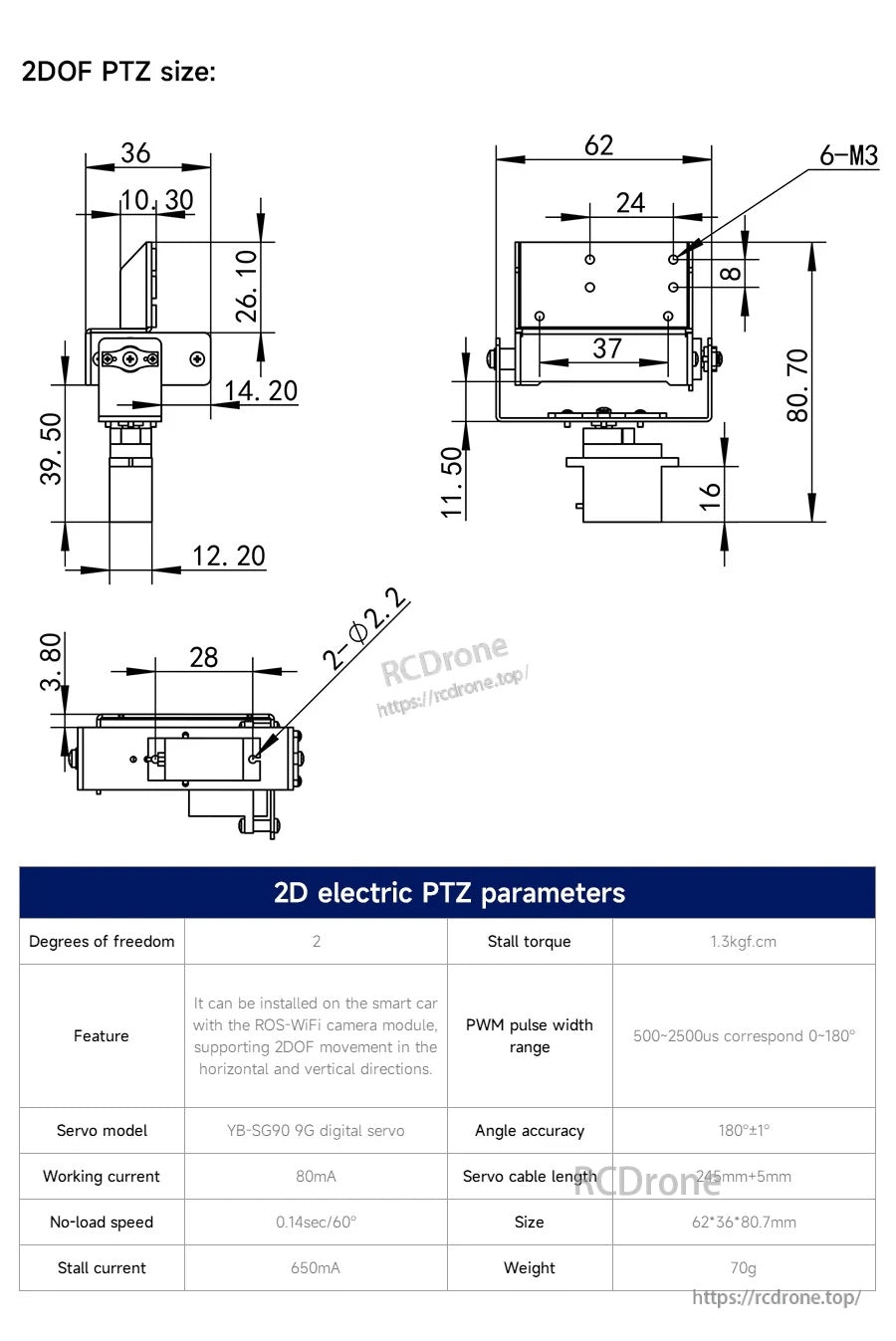
The 2DOF electric PTZ mount includes dimensioned drawings and key servo specs like 62×56×80 mm size and a 0–180° PWM control range for easier integration.