


وحدة تحكم سيرفو PWM بلوتوث بـ16 قناة، USB/TTL UART، STM32 بسرعة 48 ميجاهرتز، بحجم 43.5x36 مم
وحدة تحكم سيرفو PWM بلوتوث بـ16 قناة، USB/TTL UART، STM32 بسرعة 48 ميجاهرتز، بحجم 43.5x36 مم
WitMotion
تعذر تحميل مدى توفر الطلب


نظرة عامة
تُصمم هذه اللوحة الإلكترونية للتحكم في محركات السيرفو (عجلات التوجيه) بواجهة بلوتوث PWM ذات 16 قناة للتحكم في عدة محركات سيرفو باستخدام اتصال USB أو TTL UART، مع إمكانية الاتصال عبر بلوتوث. تدعم التحكم القائم على الحالة ومجموعات الإجراءات لتنظيم مواقع وسرعات السيرفو.
الميزات الرئيسية
- واجهة USB: توصيل مباشر؛ لا حاجة لتثبيت برنامج التشغيل.
- تحكم في محرك السيرفو: يدفع حتى 16 محرك سيرفو؛ سرعة محرك السيرفو قابلة للتعديل؛ أداء مستقر.
- واجهة بلوتوث: وحدة تحكم بلوتوث اختيارية؛ يمكن الاتصال بالكمبيوتر أو الهاتف المحمول لاسلكيًا (هاتف أندرويد أو برنامج كمبيوتر).
- منفذ تسلسلي: منفذ تسلسلي TTL؛ الاتصال بمنفذ UART (مستوى TTL) أو الاتصال بمنفذ تسلسلي لوحدة التحكم الدقيقة (MCU).
- تبسيط التحكم: تعريف الحالة؛ لا حاجة لحساب تفاصيل الإجراءات.
- مجموعة العمل: تخزين حالة محرك السيرفو في مجموعة العمل.
- مفتاح الوظيفة: تشغيل أو إيقاف اللوحة.
- إدخال إشارة خارجية: مدخلات IN1/IN2/IN3 لتفعيل مجموعات العمل.
المواصفات
| شريحة رئيسية | سلسلة STM32 |
| التردد | 48MHz |
| القنوات | 16 |
| دقة PWM | 0.1us |
| أقل خطوة لمحرك السيرفو | 1us |
| تردد التحكم في المحرك | 25KHz |
| درجة حرارة التشغيل | -40C إلى 80C |
| جهد التشغيل | USB: 5V; TTL: 3.3V (اختر واحدًا من اثنين); إمداد محرك السيرفو: 5-7.2v |
| واجهة الاتصال | USB / TTL UART (بلوتوث اختياري) |
| معدل البود | 115200 - 2400Kps قابل للتعديل |
| برنامج الكمبيوتر | نعم |
| عدد مجموعات العمل | مجموعة 16 |
| تخزين عدد الإجراءات | 8192 |
| حجم اللوحة | 43.5mm x 36mm x 12mm |
| موضع ثقب التثبيت | 37mm x 30mm; فتحة 3mm |
| الوزن | 10g |
واجهات & تسميات الأجهزة
- مخرجات السيرفو: سيرفو 0-3، سيرفو 4-7، سيرفو 8-11، سيرفو 12-15
- مزود طاقة محرك السيرفو: 5-7.2V
- واجهة USB
- TTL UART / بلوتوث (اختياري)
- LED
- مفتاح الوظيفة
- واجهة الإدخال
- رأس إدخال الإشارة الخارجية: IN1, IN2, IN3, GND
طريقة التحكم (المجموعات الحالة / العمل)
- طريقة التحكم في الحالة: تحديد حالة معلمات جهاز التوجيه؛ لا حاجة لحساب تفاصيل حركة جهاز التوجيه.
- مفهوم كتلة التحكم: البرنامج الرئيسي -> مجموعة العمل 1 ... مجموعة العمل 16 - > الحالة S0 (1000 مللي ثانية) ... الحالة Sn (1000 مللي ثانية)، مع إعدادات موضع/سرعة السيرفو من 0 إلى 15 لكل حالة.
إدخال إشارة خارجية (مشغل مجموعة الإجراءات)
- IN3: قصر GND، تشغيل مجموعة الإجراءات 0
- IN2: قصر GND، تشغيل مجموعة الإجراءات 1
- IN1: قصر GND، تشغيل مجموعة الإجراءات 2
ملاحظات الاتصال
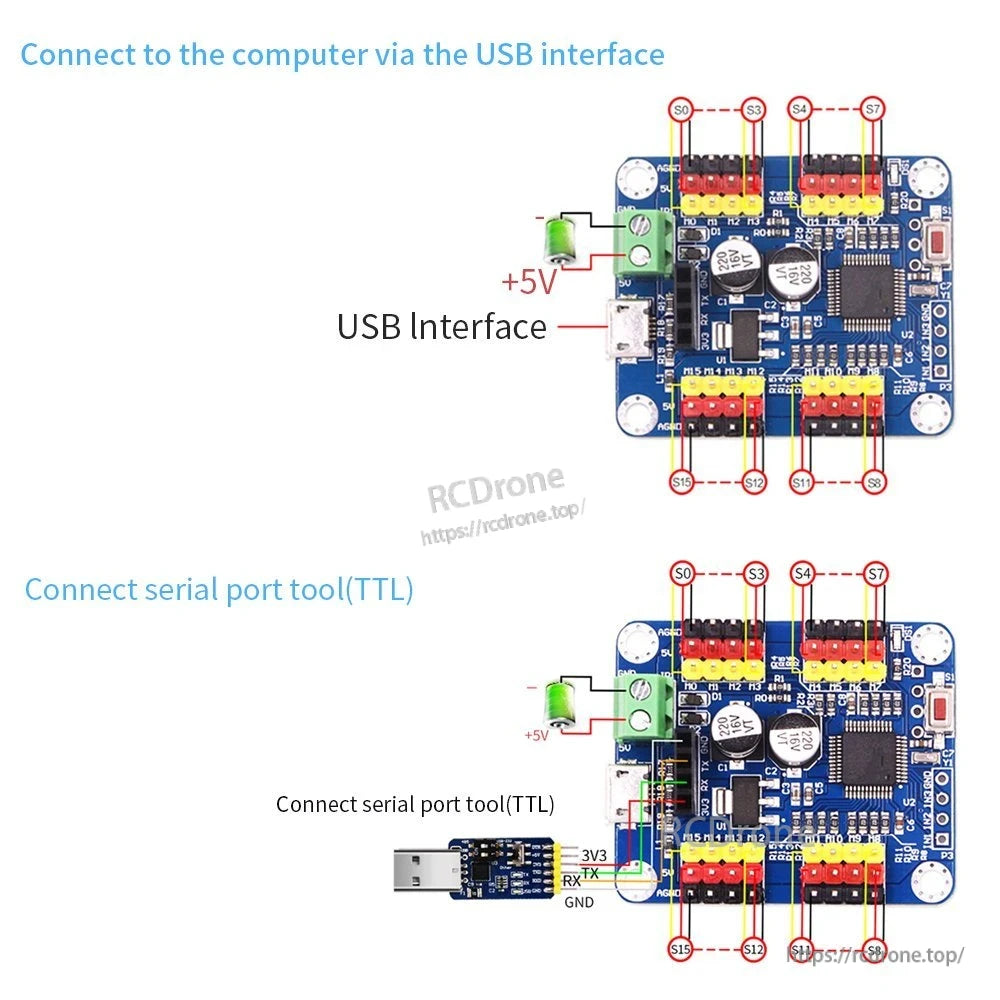
- الاتصال بالكمبيوتر عبر واجهة USB.
- قم بتوصيل أداة المنفذ التسلسلي TTL (TTL): 3V3، TX، RX، GND.
- الاتصال عبر Bluetooth: قم بتوصيل وحدة Bluetooth مباشرة (اختياري).
- يوضح مخطط توصيل المتحكم الدقيق: MCU (VCC، TXD، RXD، GND) إلى وحدة تحكم توجيه العجلات (VCC، RXD، TXD، GND).
لأسئلة التوافق قبل البيع أو المساعدة في التوصيل، اتصل بالدعم على https://rcdrone.top/ أو عبر البريد الإلكتروني [email protected].
التطبيقات
- مشاريع الروبوتات متعددة السيرفو (تحكم سيرفو 16 قناة)
- نماذج RC التي تتطلب تحكم سيرفو PWM مركزي
- تسلسلات حركة السيرفو التي تتحكم بها MCU باستخدام TTL UART
التفاصيل
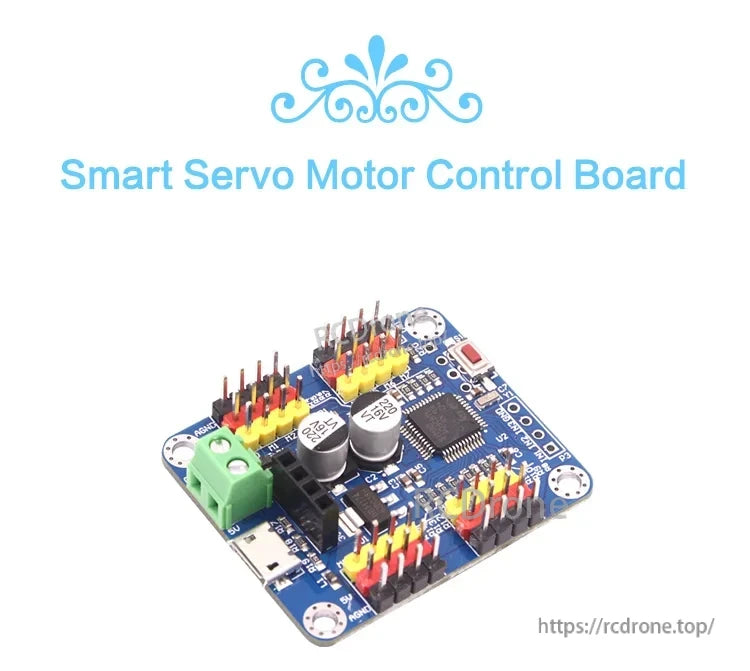
وحدة تحكم سيرفو مدمجة 16 قناة لمشاريع الروبوتات والأتمتة، تدعم USB وTTL UART والتحكم عبر البلوتوث الاختياري.
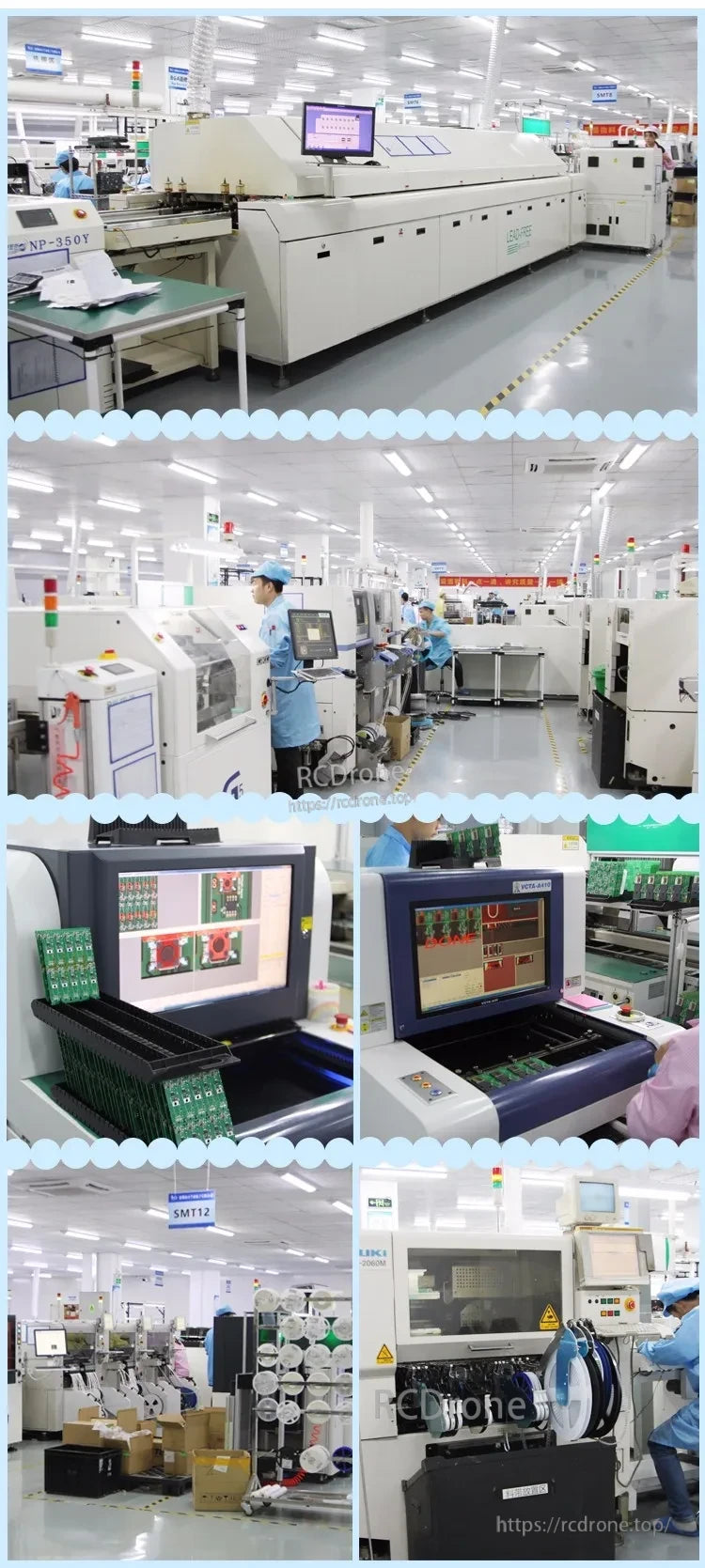
تدعم معدات الإنتاج والتفتيش جودة بناء متسقة لكل لوحة تحكم.
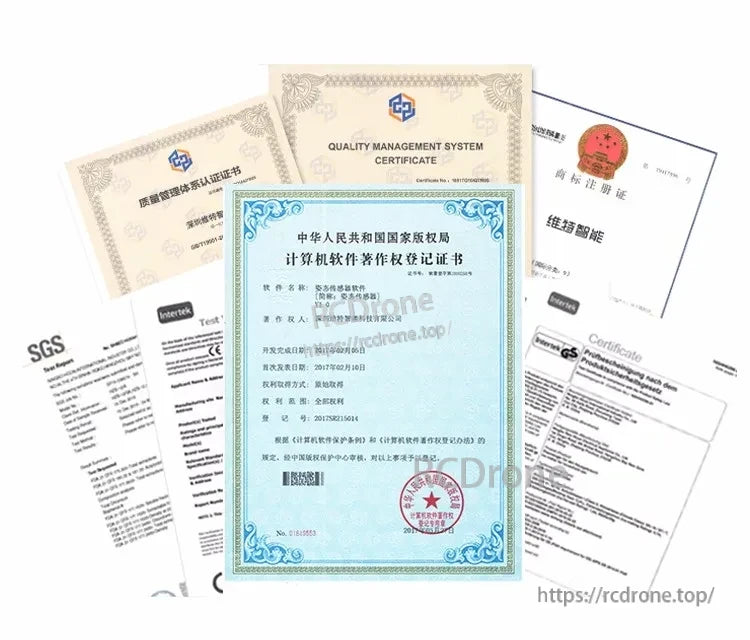
توثيق إدارة الجودة والاختبار متاح من الشركة المصنعة.
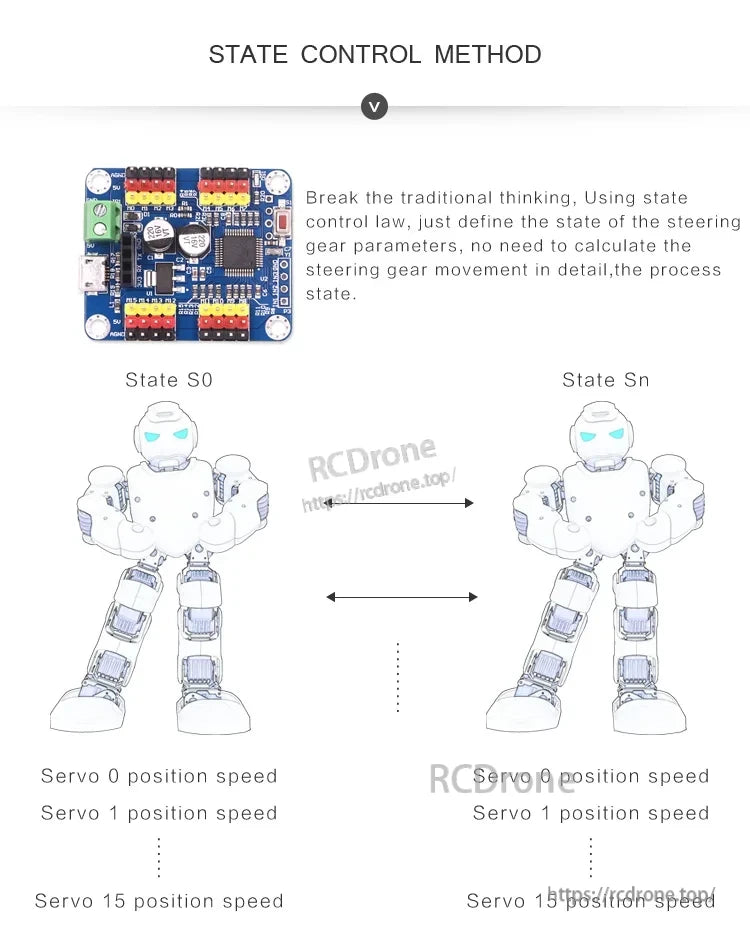
يساعد التحكم القائم على الحالة في تنظيم حركة السيرفو المتعددة من خلال حفظ المواقع والسرعات في حالات قابلة لإعادة الاستخدام.
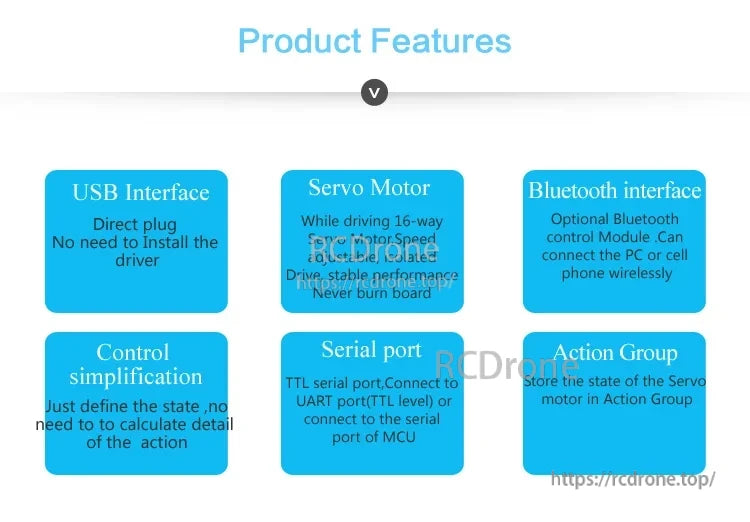
تحكم USB قابل للتوصيل والتشغيل، سرعة سيرفو قابلة للتعديل، اتصال UART، ومجموعات العمل تبسط تسلسلات السيرفو المتعددة.
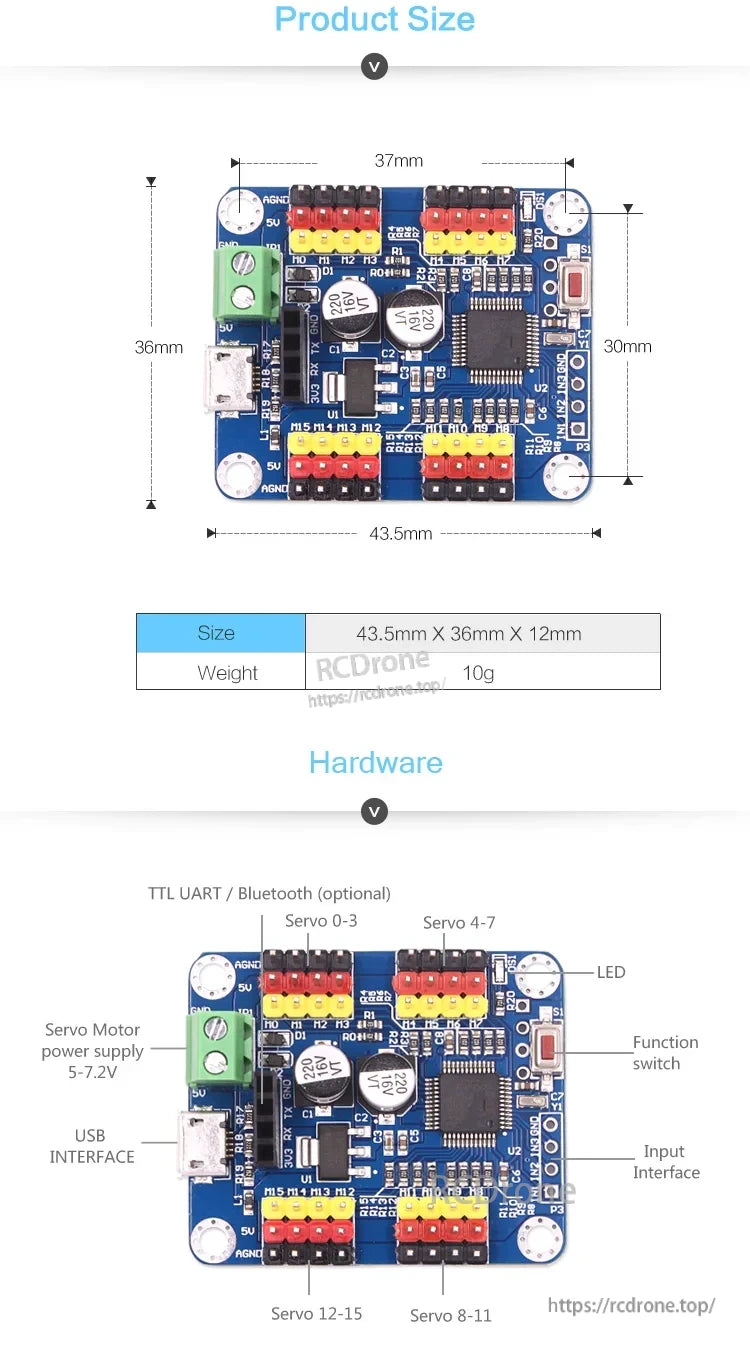
تسمية الموصلات الواضحة تجعل الأسلاك بسيطة: مخرجات السيرفو 0–15، مدخل طاقة السيرفو المنفصل، USB، ورأس TTL UART / Bluetooth.
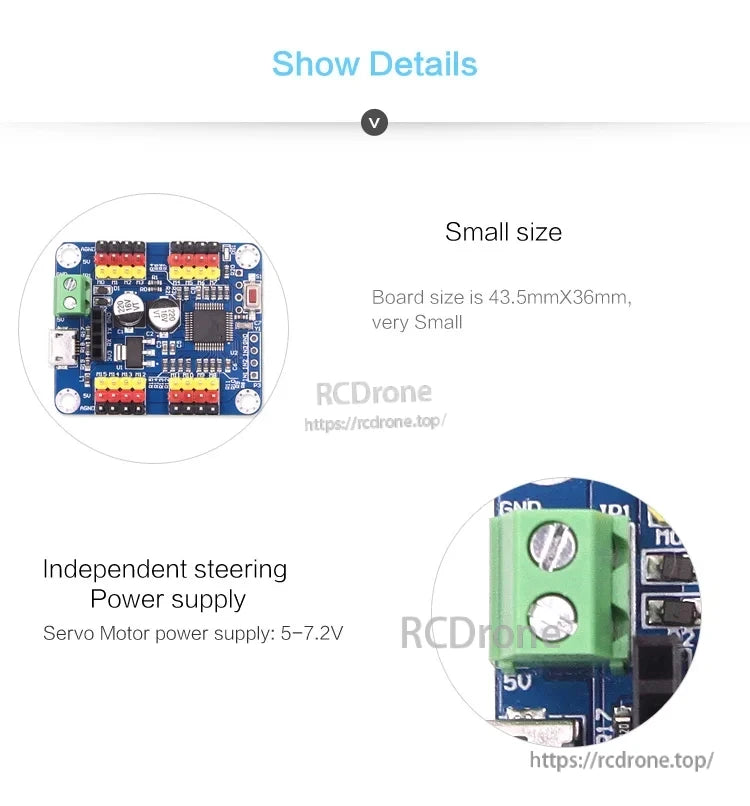
مدخل طاقة السيرفو المستقل 5–7.2V يساعد في الحفاظ على تحميل السيرفو منفصلًا عن مصدر المنطق.
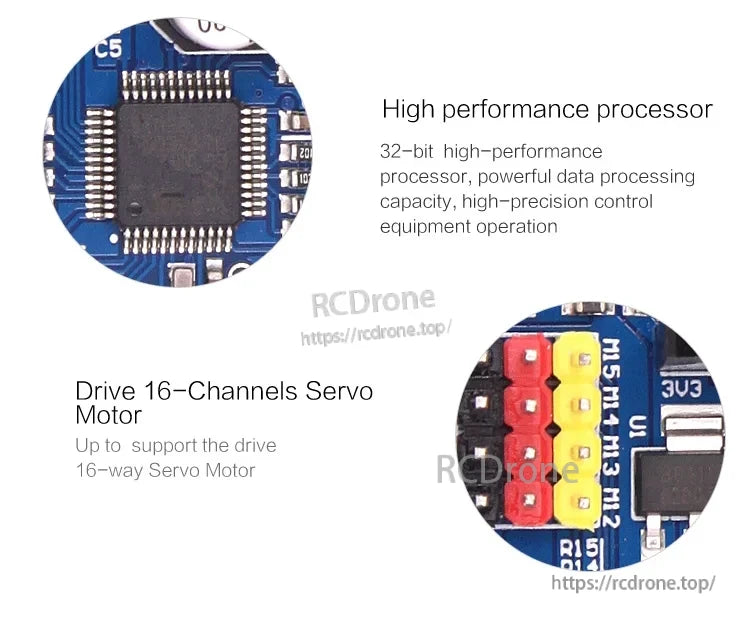
يدير MCU 32 بت توقيت PWM دقيق عبر جميع القنوات الـ 16 للتحكم المستقر في عدة سيرفو.
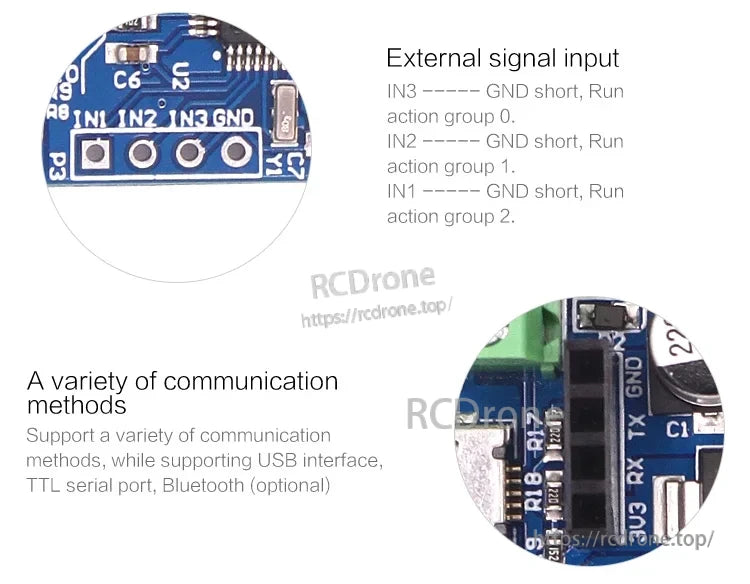
تسمح مدخلات الزناد IN1–IN3 للإشارات الخارجية ببدء مجموعات الإجراءات المخزنة دون الحاجة إلى اتصال بالكمبيوتر الشخصي.
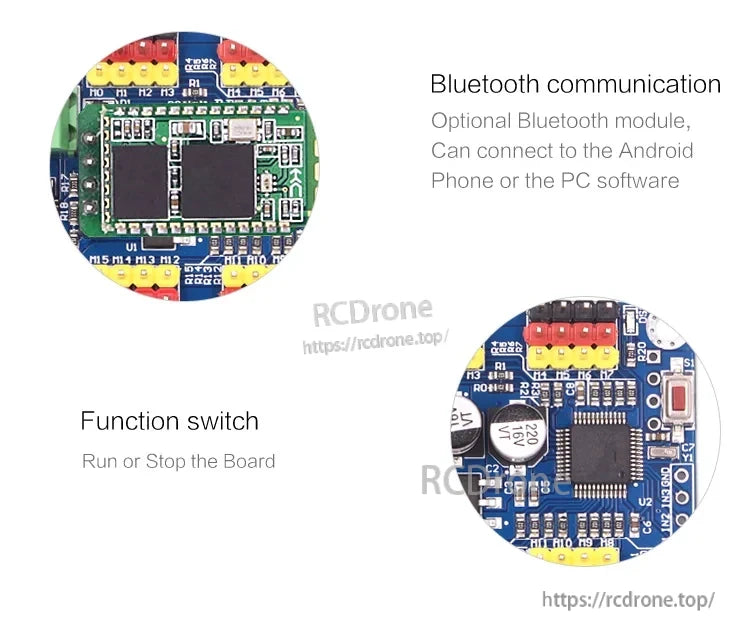
يضيف مفتاح التشغيل/الإيقاف الموجود على اللوحة تحكمًا سريعًا، مع خيار الأجهزة Bluetooth للروابط اللاسلكية.
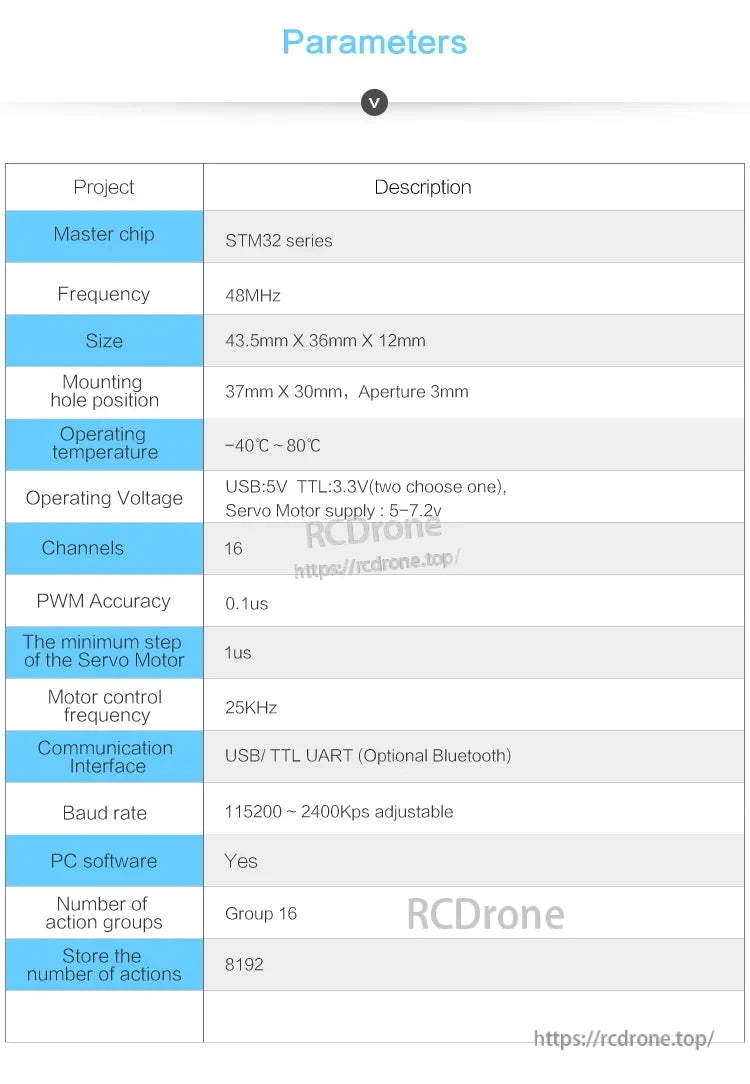
المواصفات الرئيسية في لمحة: 16 قناة، دقة PWM دقيقة، نطاق درجة حرارة واسع، وخيارات تحكم USB أو مستوى TTL.
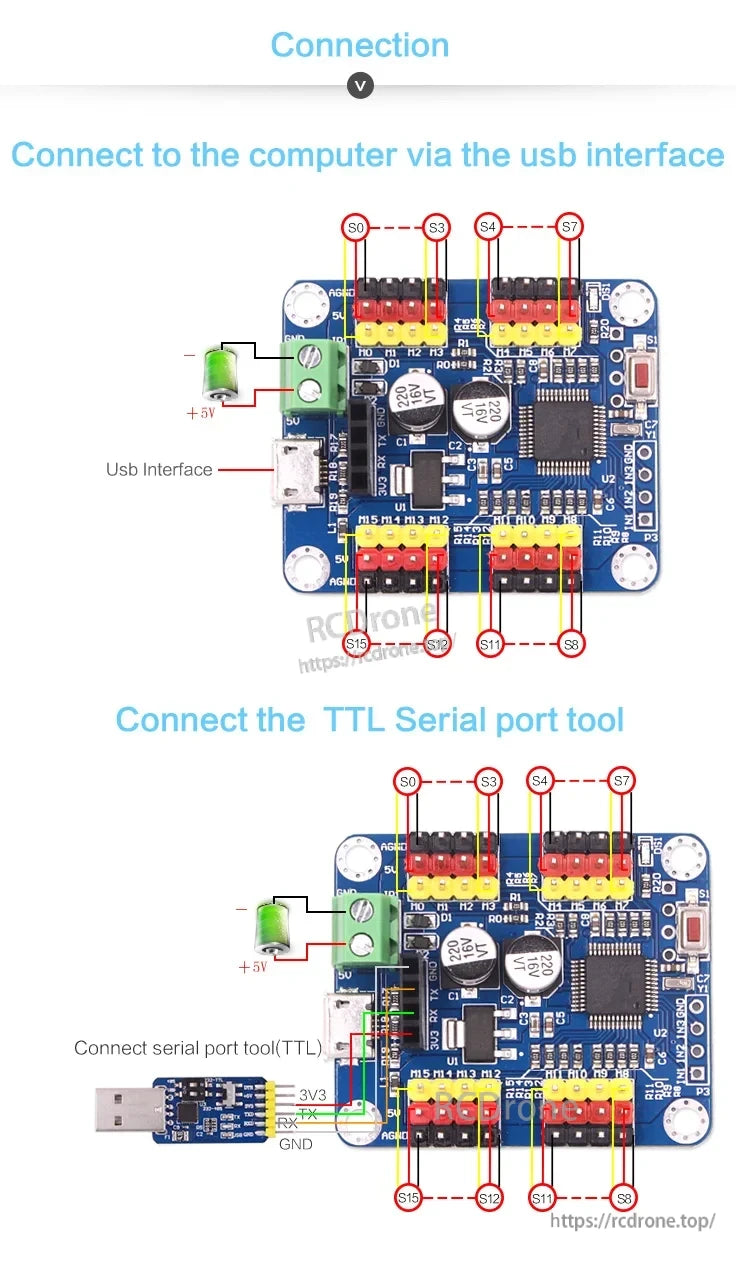
اختر USB للتحكم المباشر من الكمبيوتر الشخصي أو TTL التسلسلي لدمج MCU، باستخدام دبابيس الطاقة وUART المسمى بوضوح.
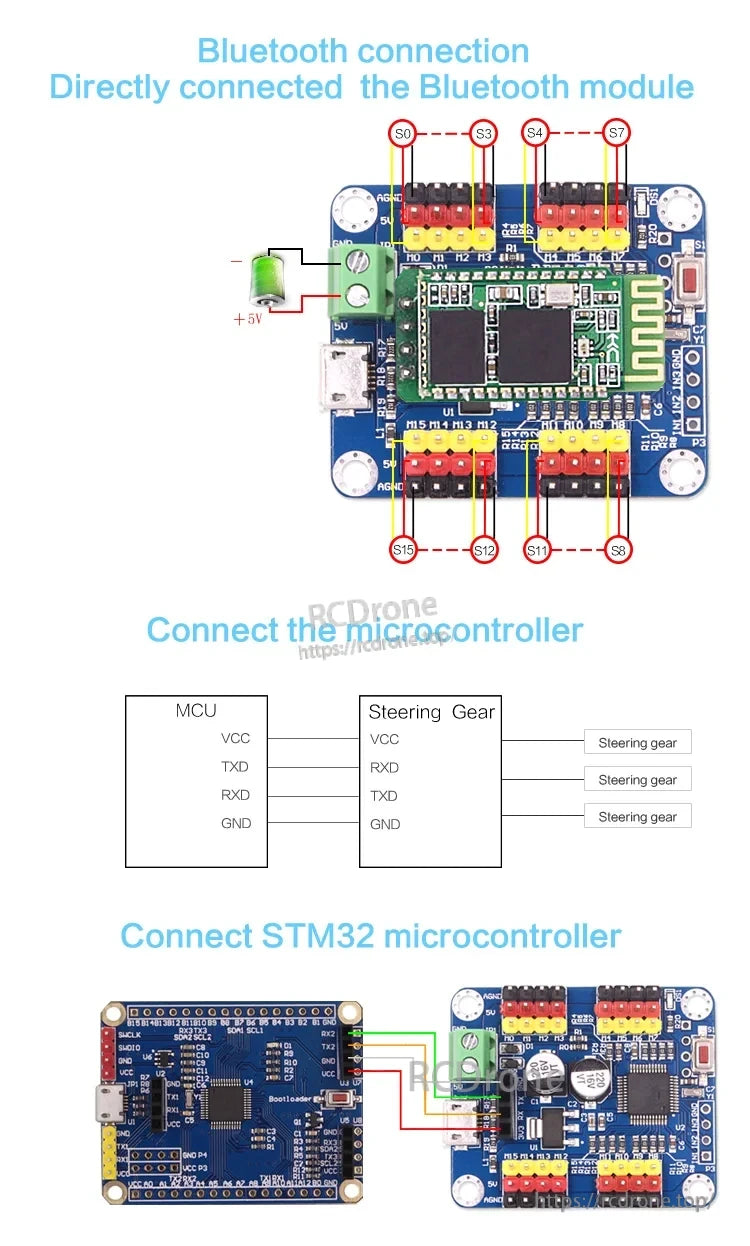
يدعم التحكم اللاسلكي مع وحدة بلوتوث اختيارية، بينما تبقي أسلاك UART تكامل MCU بسيطًا.
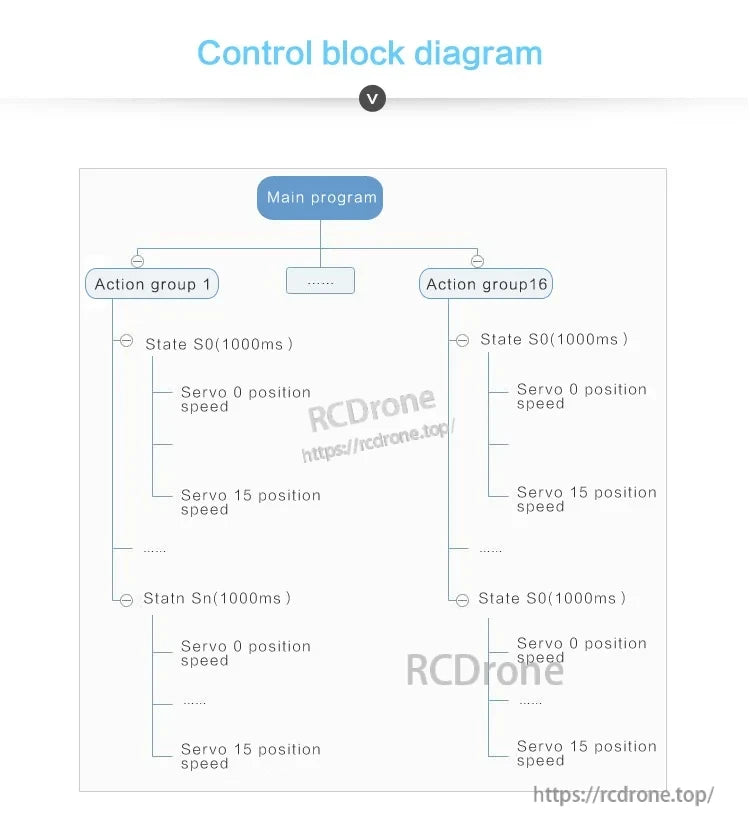
تخزن مجموعات الإجراءات تسلسلات من الحالات الزمنية، مما يمكّن من تكرار روتين الحركة عبر عدة سيرفو.
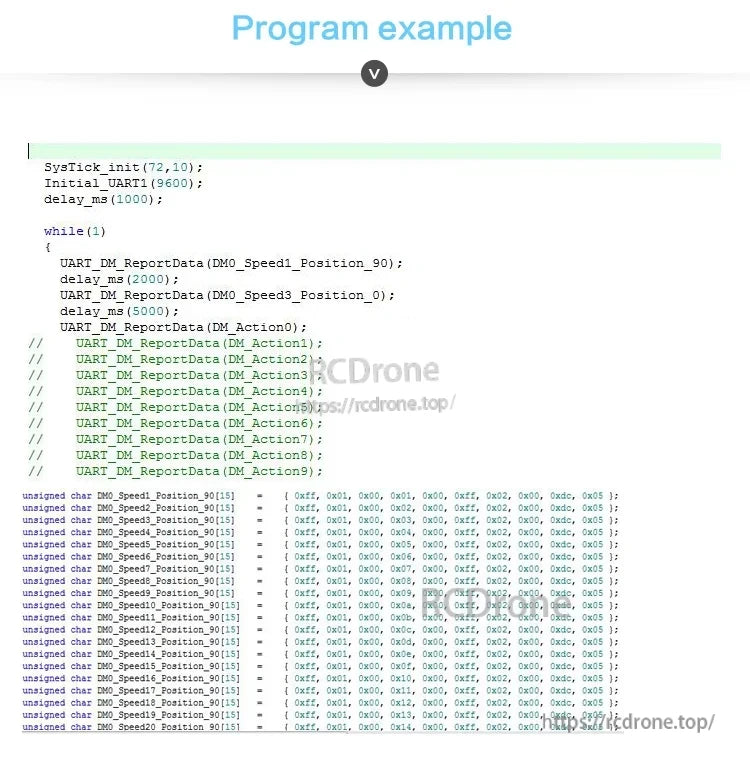
تساعد أمثلة الأوامر التسلسلية المطورين على دمج اللوحة في المشاريع المدمجة بسرعة.
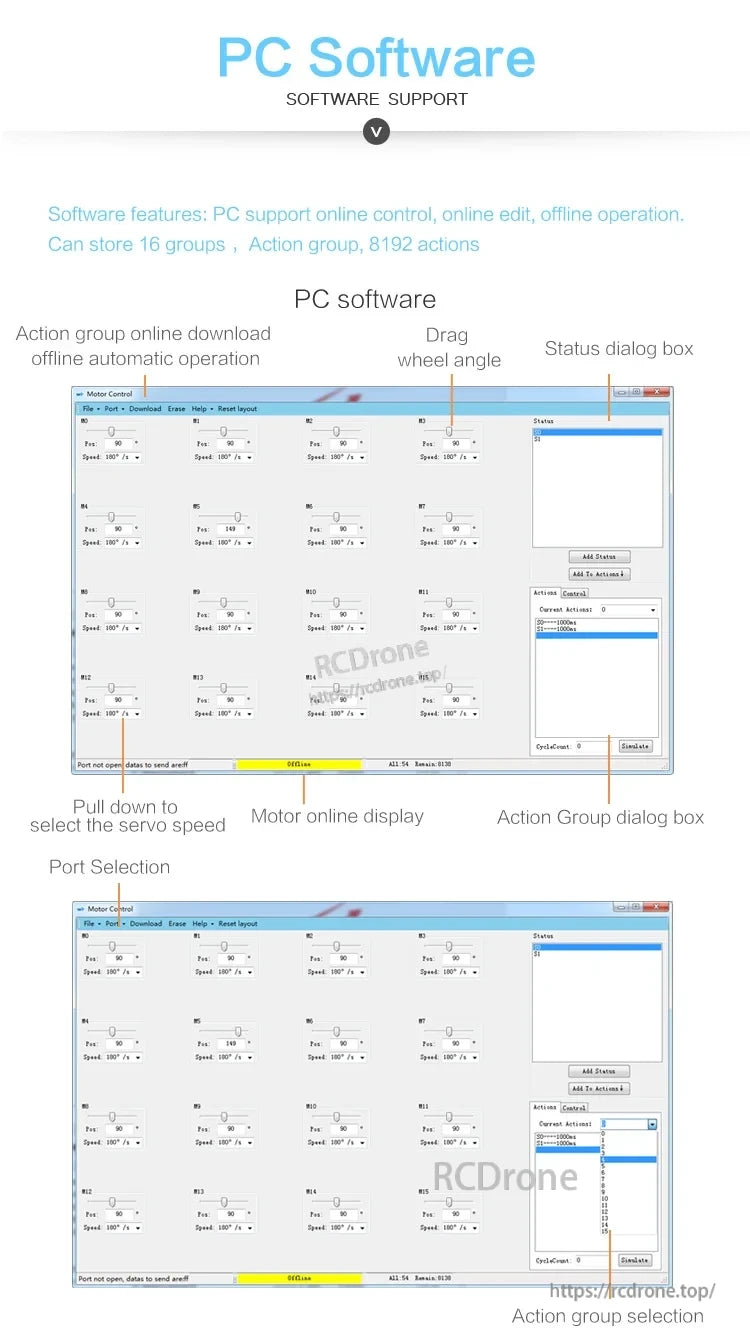
يوفر برنامج الكمبيوتر وسيلة بصرية لتعيين الزوايا، السرعات، ومجموعات الإجراءات لما يصل إلى 16 سيرفو.
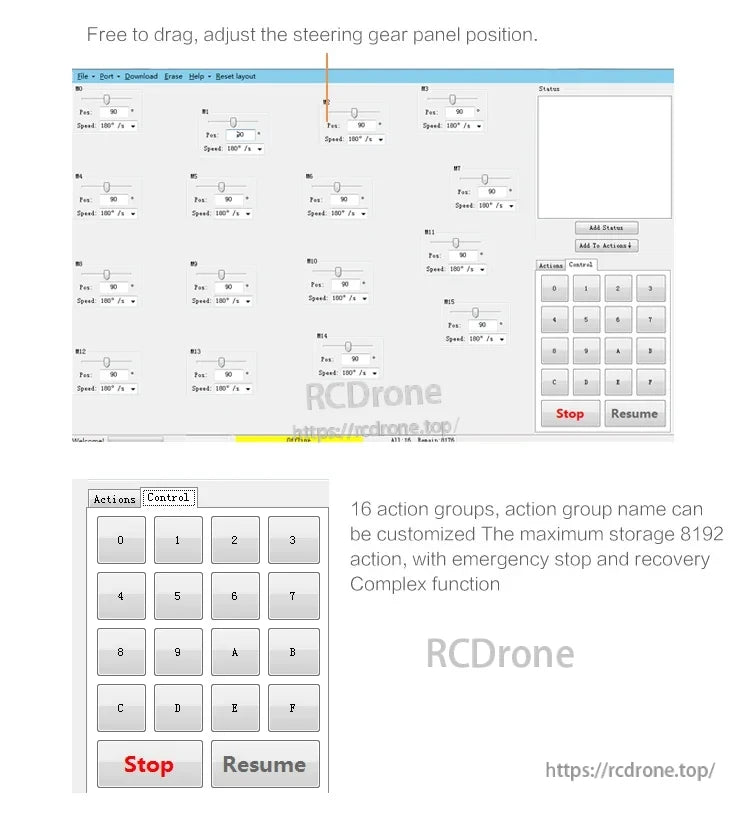
تم تضمين عناصر التحكم في التوقف الطارئ والاستئناف في الواجهة لاختبار وضبط أكثر أمانًا.
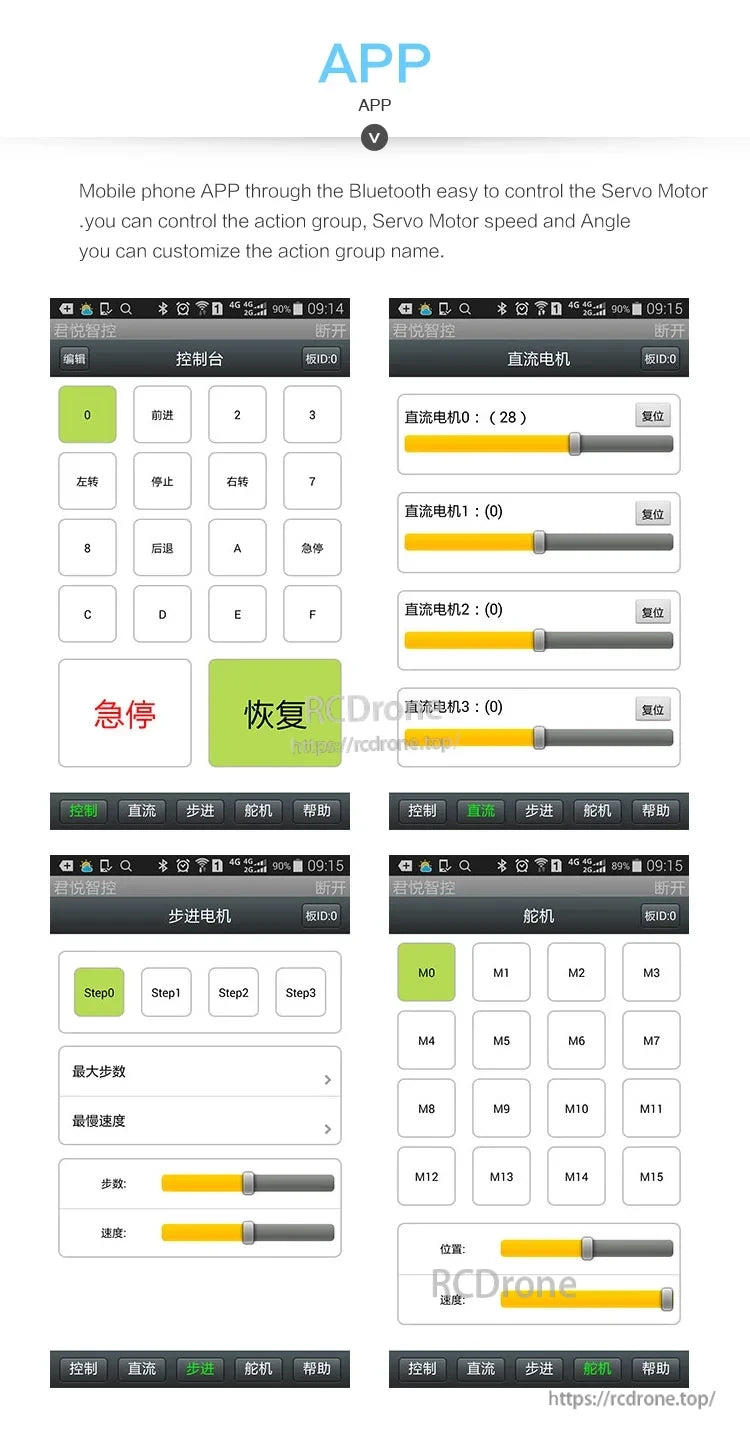
يمكن لتطبيق الهاتف المحمول ضبط سرعة السيرفو وزاويته عبر البلوتوث وتشغيل مجموعات الإجراءات المحفوظة من الهاتف.


