ZeroErr eRob Dedicated Power Cable, ≥48 V DC, 15 A, 2-Core
ZeroErr eRob Dedicated Power Cable, ≥48 V DC, 15 A, 2-Core
ZeroErr
Normaler Preis
$114.00 USD
Normaler Preis
Verkaufspreis
$114.00 USD
Grundpreis
pro
Inkl. Steuern.
Versand wird beim Checkout berechnet
Verfügbarkeit für Abholungen konnte nicht geladen werden


Overview
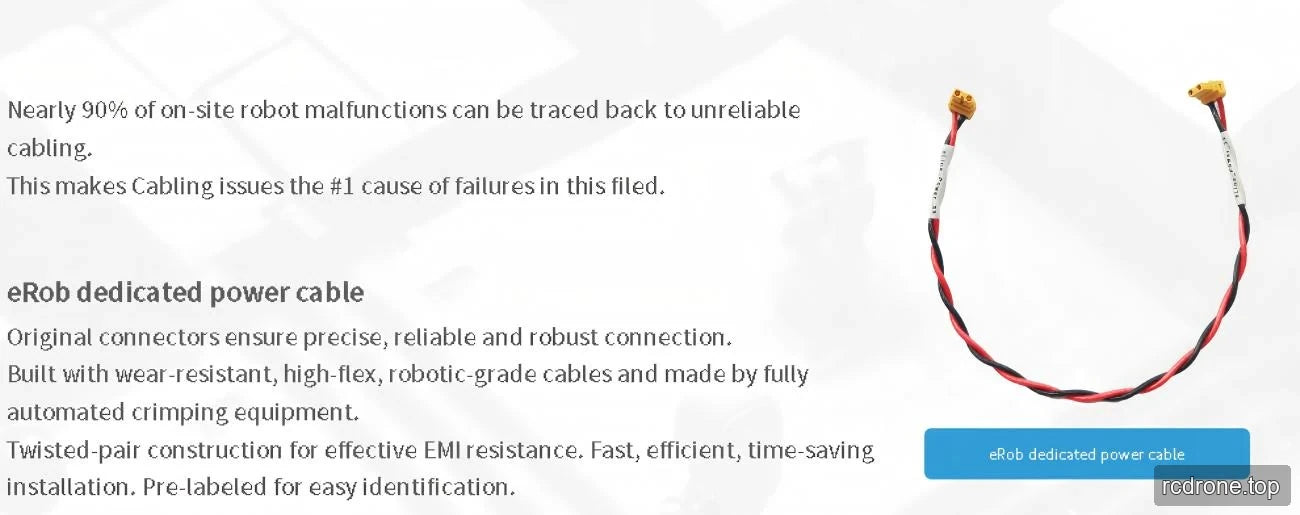
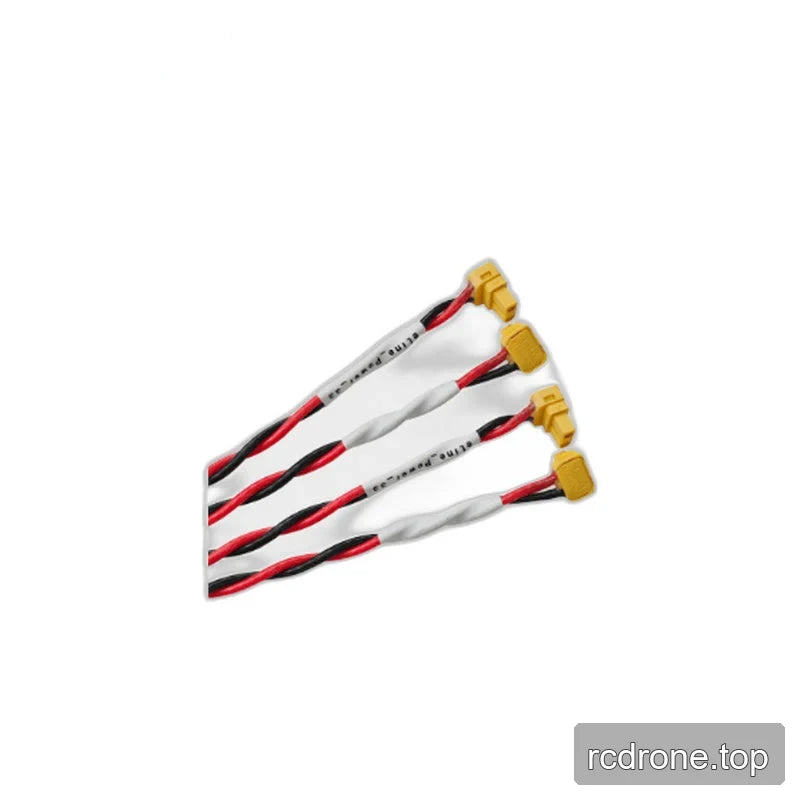
The ZeroErr eRob dedicated power cable is a 2-core power connection cable for eRob devices, with an operating rating of ≥48 V DC and a maximum current of 15 A. It uses original connectors, twisted-pair construction for EMI resistance, robotic-grade high-flex cable, automated crimping, and pre-labeling for easier installation and identification.
Features
- Wear-resistant, high-flex, robotic-grade cable construction
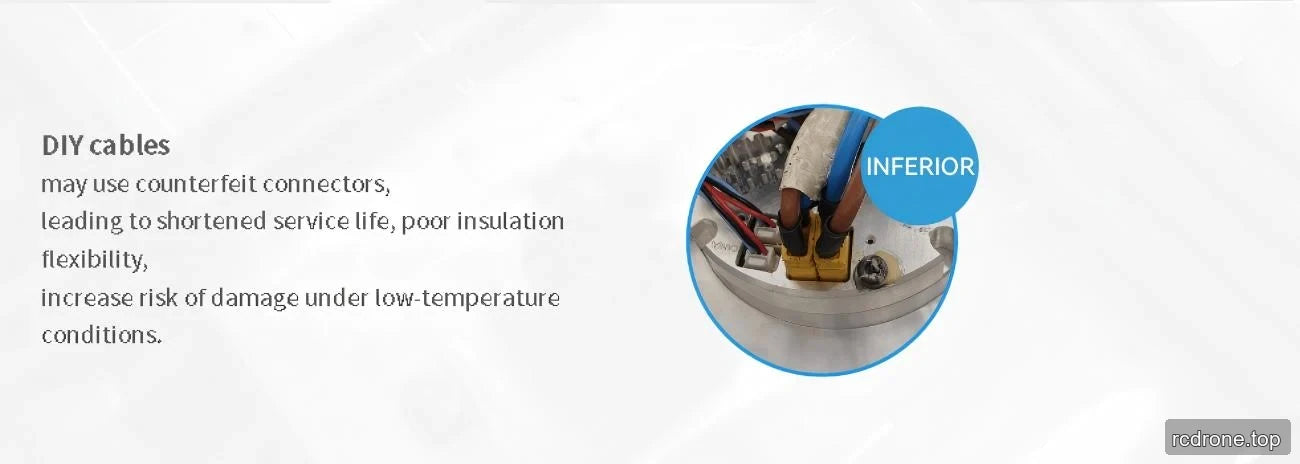
- Original connectors
- Twisted-pair construction for effective EMI resistance
- Manufactured using fully automated crimping equipment
- Pre-labeled for easier identification
- Designed for fast, efficient, time-saving installation
Specifications
| Parameter | Value |
|---|---|
| Model | eRob dedicated power cable |
| Rated Voltage | ≥48 V DC |
| Maximum Current | 15 A |
| Conductor Cross-section | <1.5 mm2 |
| Length | 33 cm (±1 cm tolerance) |
| Connector Type | XT300ULW-F-A right: XT300ULW-F-B |
| Number of Cores | 2 cores |
| Application | For connection between eRob devices |
| Conductor Material | Stranded annealed copper |
| Conductor Construction | 7/43/0.08 mm |
| Insulation Material | ETFE |
| Operating Temperature | 60°C to 105°C |
| Flame Retardant Rating | VW-1 |
Applications
- Humanoid robots
- Robotic arms
- Exoskeletons
- Quadruped robots
- AGV vehicles
- ARU robots
What's Included
Available version options: 4 PCS/pack or 100 PCS/pack.
Visual Details
Features and Design