


ماژول موقعیتیابی و ناوبری GNSS Beitian BE-289 M10050 برای کنترل پرواز، با آنتن جداگانه SMA-K
ماژول موقعیتیابی و ناوبری GNSS Beitian BE-289 M10050 برای کنترل پرواز، با آنتن جداگانه SMA-K
Beitian
در دسترس بودن پیکاپ بارگیری نشد


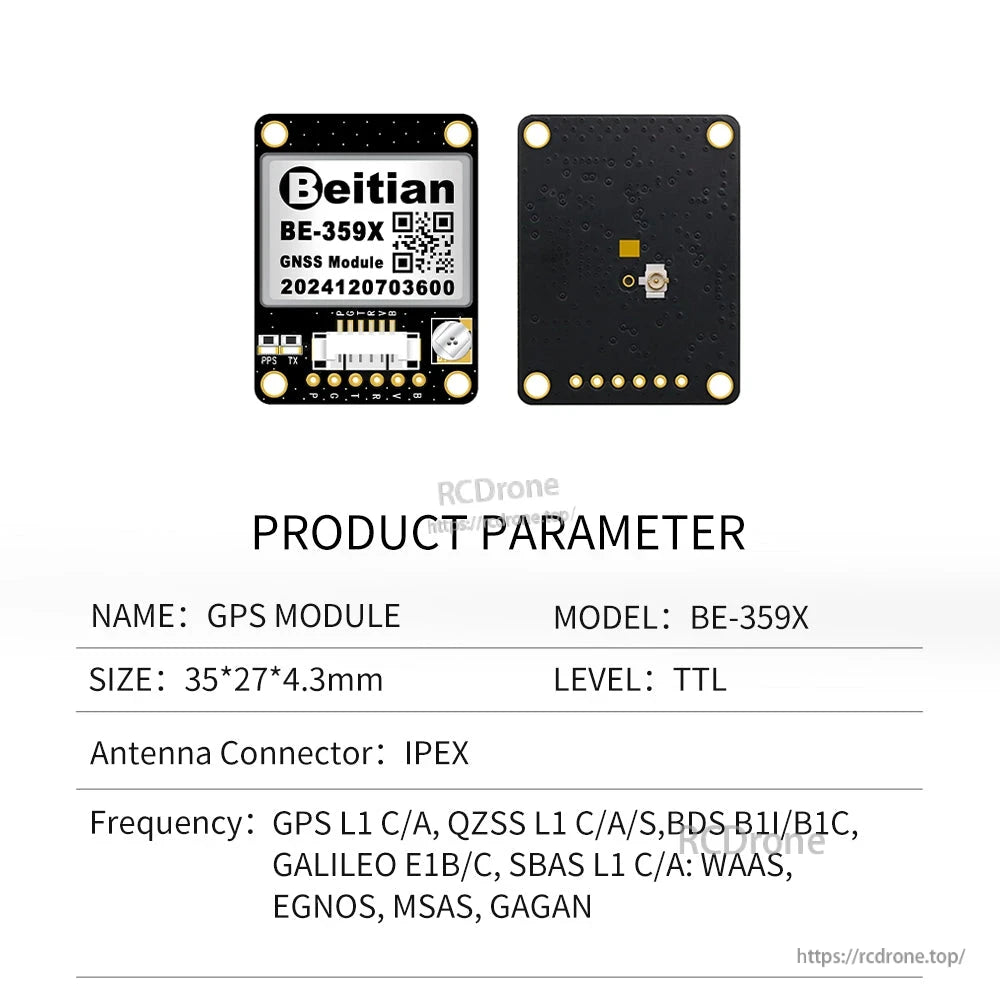
بررسی اجمالی
ماژول زمانبندی ناوبری GNSS Beitian BE-289 برای کنترل پرواز، که بر اساس چیپ M10050 ساخته شده و برای خروجی پورت سریال با اتصال آنتن جداگانه طراحی شده است. حالت کاری قابل مشاهده از GPS L1 C/A، QZSS L1 C/A/S، BDS B1I/B1C، Galileo E1/B/C و SBAS L1 C/A (WAAS، EGNOS، MSAS، GAGAN) پشتیبانی میکند.
برای پشتیبانی از محصول، به https://rcdrone.top/.
ویژگیهای کلیدی
- موقعیتیابی مشترک GPS + BDS + Galileo، با گزینههای موقعیتیابی تکحالت و ترکیب چندحالت.
- عملکرد پایه: اطلاعات موقعیتیابی از طریق سیگنال ماهوارهای به دست آمده و از طریق پورت سریال به دستگاه خروجی داده میشود.
- طراحی سبک و جمع و جور با مصرف انرژی کم؛ اندازه قابل مشاهده 28*28*4.3mm و وزن 7.5g است.
- مچینگ امپدانس 50 اهم، VSWR آنتن کمتر از 1.5، با تشخیص آنتن و حفاظت در برابر اتصال کوتاه.
- آیتمهای داده خروجی NMEA-0183 که در نمودار محصول نشان داده شدهاند شامل GGA، GSA، GSV، RMC و VTG.
مشخصات
| مدل | BE-289 |
| چیپ | M10050 |
| حالت کاری | GPS L1 C/A، QZSS L1 C/A/S، BDS B1I/B1C، Galileo E1/B/C، SBAS L1 C/A: WAAS، EGNOS، MSAS، GAGAN |
| کانال | N/A |
| راهاندازی سرد | -148dBm |
| راهاندازی گرم | -160dBm |
| افقی | 2.0m CEP |
| دقت سرعت | <0.05m/s |
| جهتگیری دینامیک | 0.3 درجه |
| دقت زمان PPS | RMS 30ns، 99% 60ns |
| زمان راهاندازی سرد | 27 ثانیه |
| زمان راهاندازی گرم | 1 ثانیه |
| نرخ Baud (bps) | 4800bps - 921600bps، پیشفرض 115200bps |
| سطح خروجی | سطح TTL |
| پروتکل خروجی | NMEA، UBX |
| فرکانس بهروزرسانیها | 0.25Hz-18Hz، پیشفرض 1Hz |
| FLASH | با FLASH |
| محدودیتهای عملیاتی | ارتفاع 80,000m؛ سرعت 500m/s؛ دینامیک <4g |
| ولتاژ | DC 3.6V-5.5V، معمول: 5.0V |
| جریان | 30mA/5.0V |
| اندازه | 28*28*4.3mm |
| وزن | 7.5g |
| کانکتور | کانکتور 6 پین 1.25 میلیمتری |
| طول | 15 سانتیمتر |
| کانکتور آنتن | SMA-K |
کاربردها
- دوچرخههای اشتراکی
- وسایل نقلیه بدون سرنشین
- ناوبری وسایل نقلیه
جزئیات
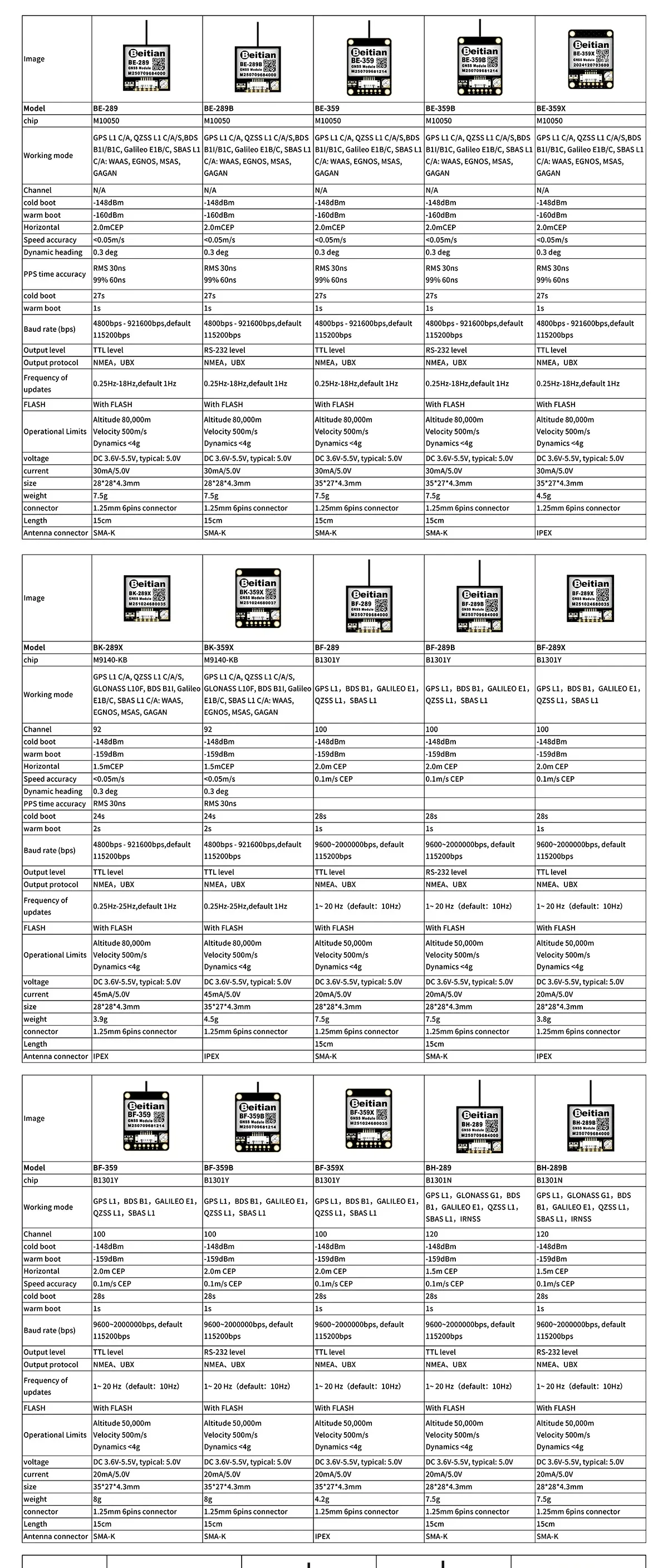
BE-289 یک گیرنده M10050 جمع و جور با خروجی سری و یک اتصال آنتن SMA-K جداگانه را جفت میکند.
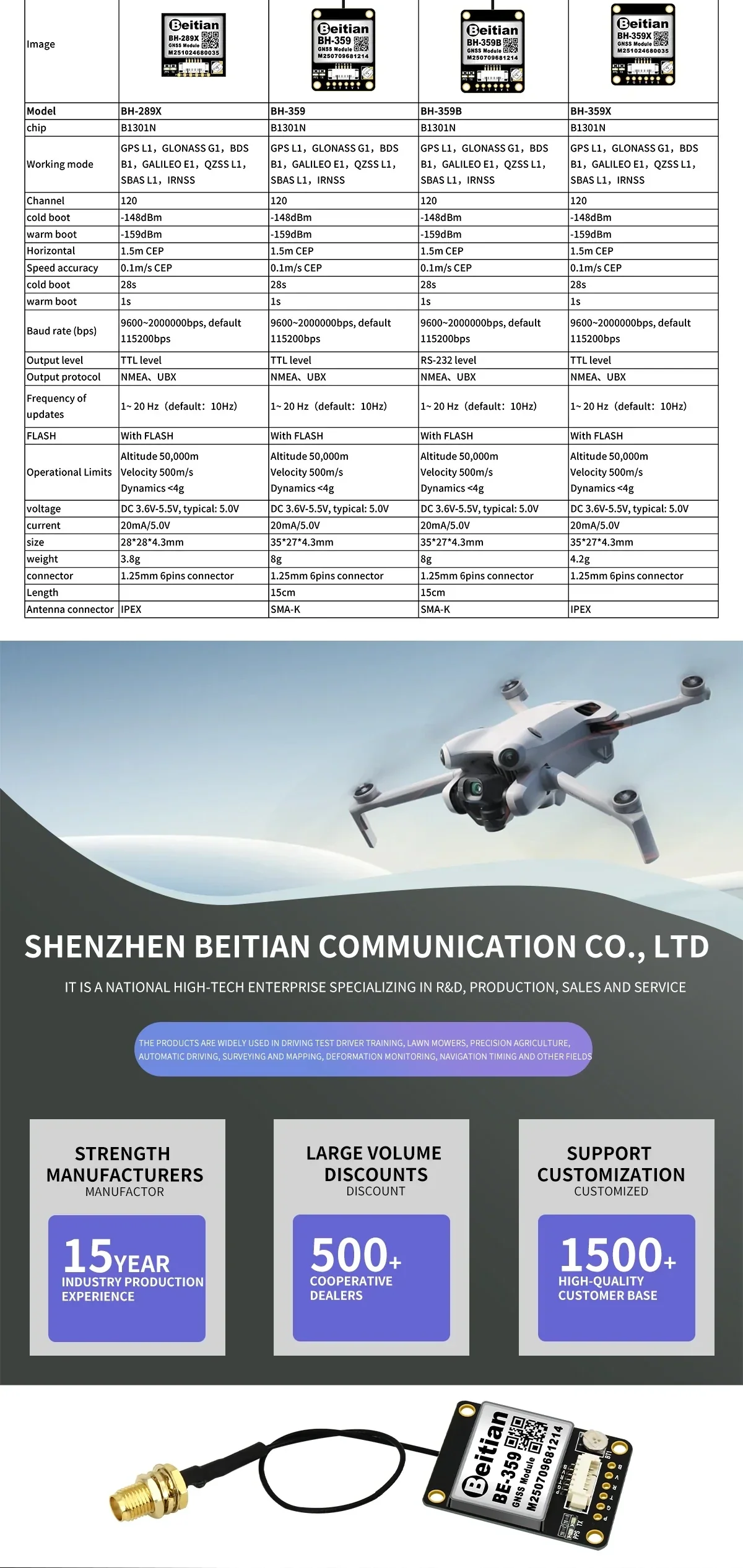
مقایسه مدلها جایگاه BE-289 را در دامنه ماژول GNSS Beitian و چیدمان جمع و جور برد آن نشان میدهد.
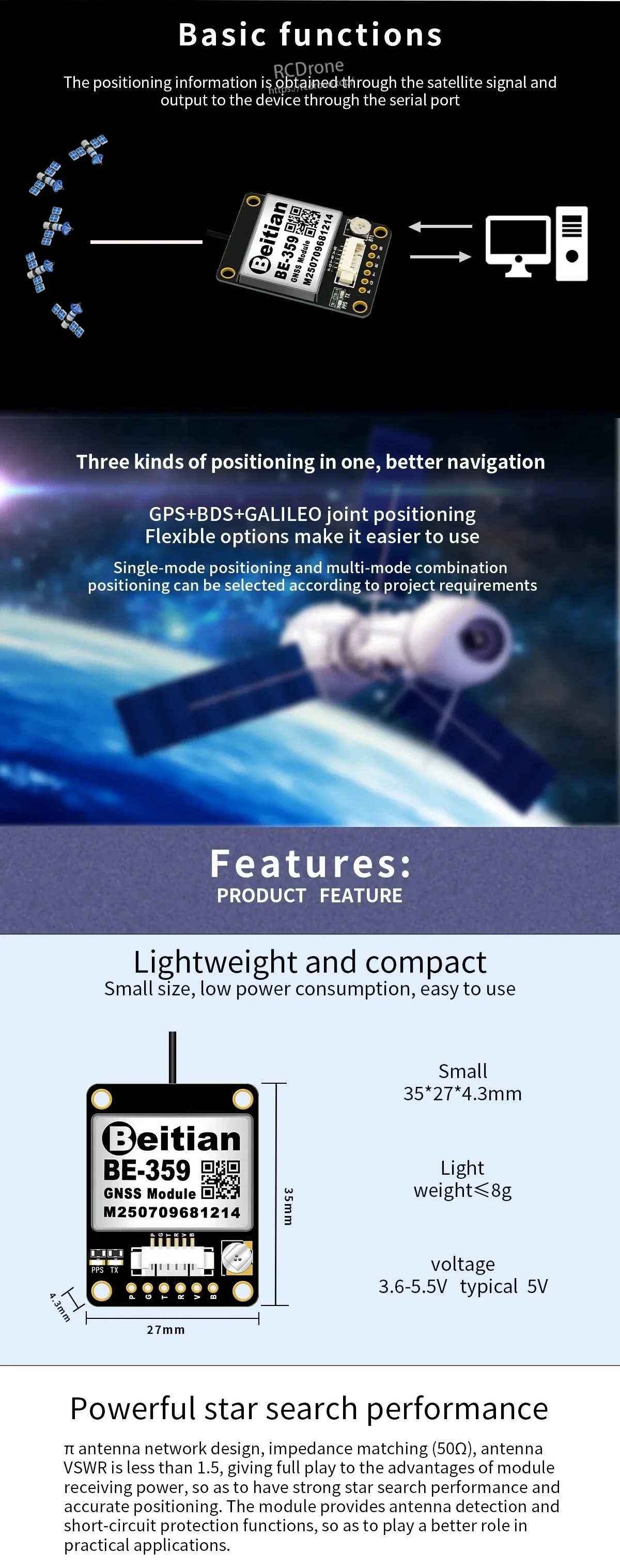
سیگنالهای ماهوارهای ماژول را تغذیه میکنند، سپس دادههای موقعیتیابی از طریق پورت سری به دستگاه میزبان ارسال میشود.
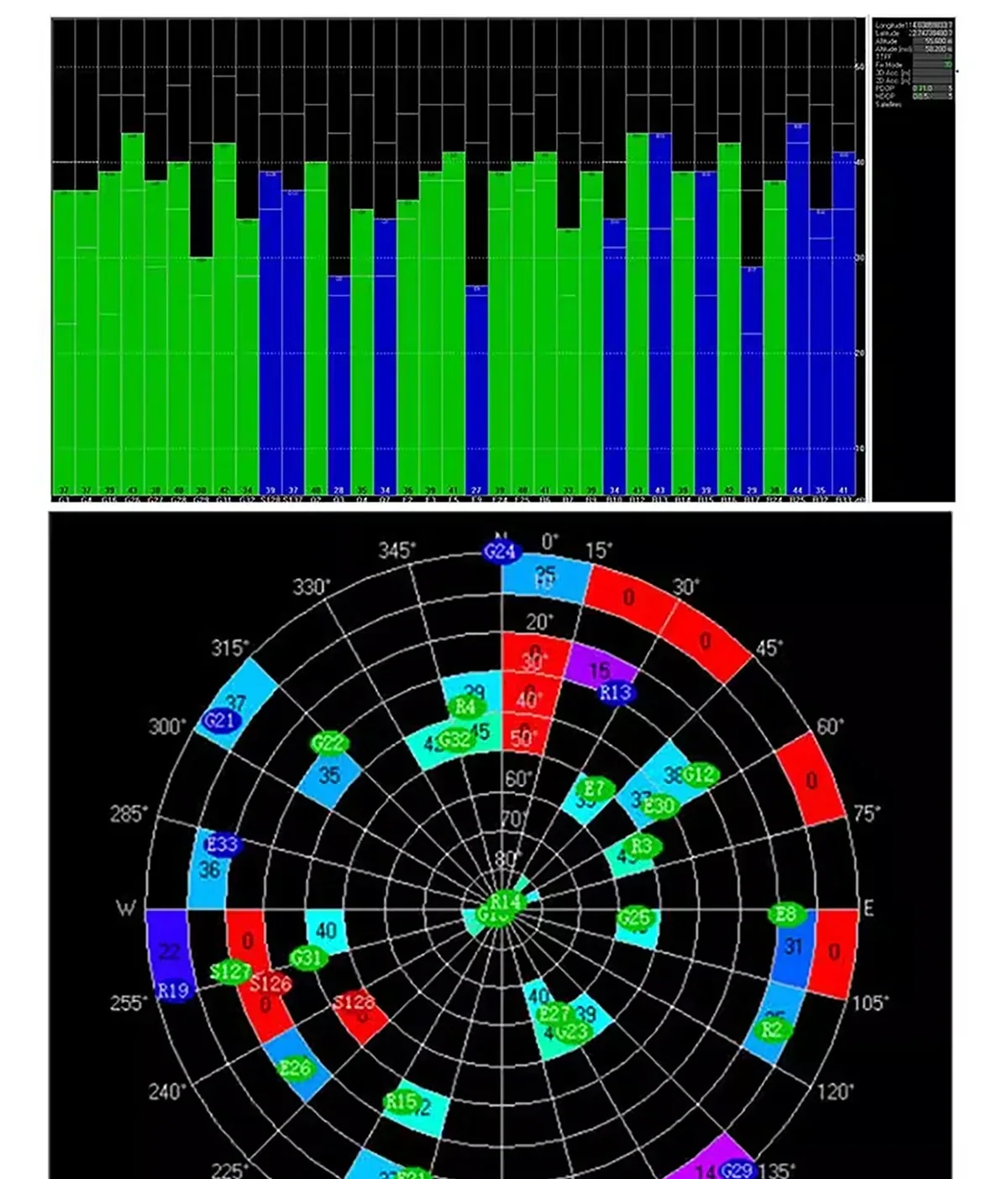
نمودارهای سیگنال ادعاهای موقعیتیابی را با ردیابی ماهوارهای قابل مشاهده و بازخورد دریافت دادهها پشتیبانی میکنند.
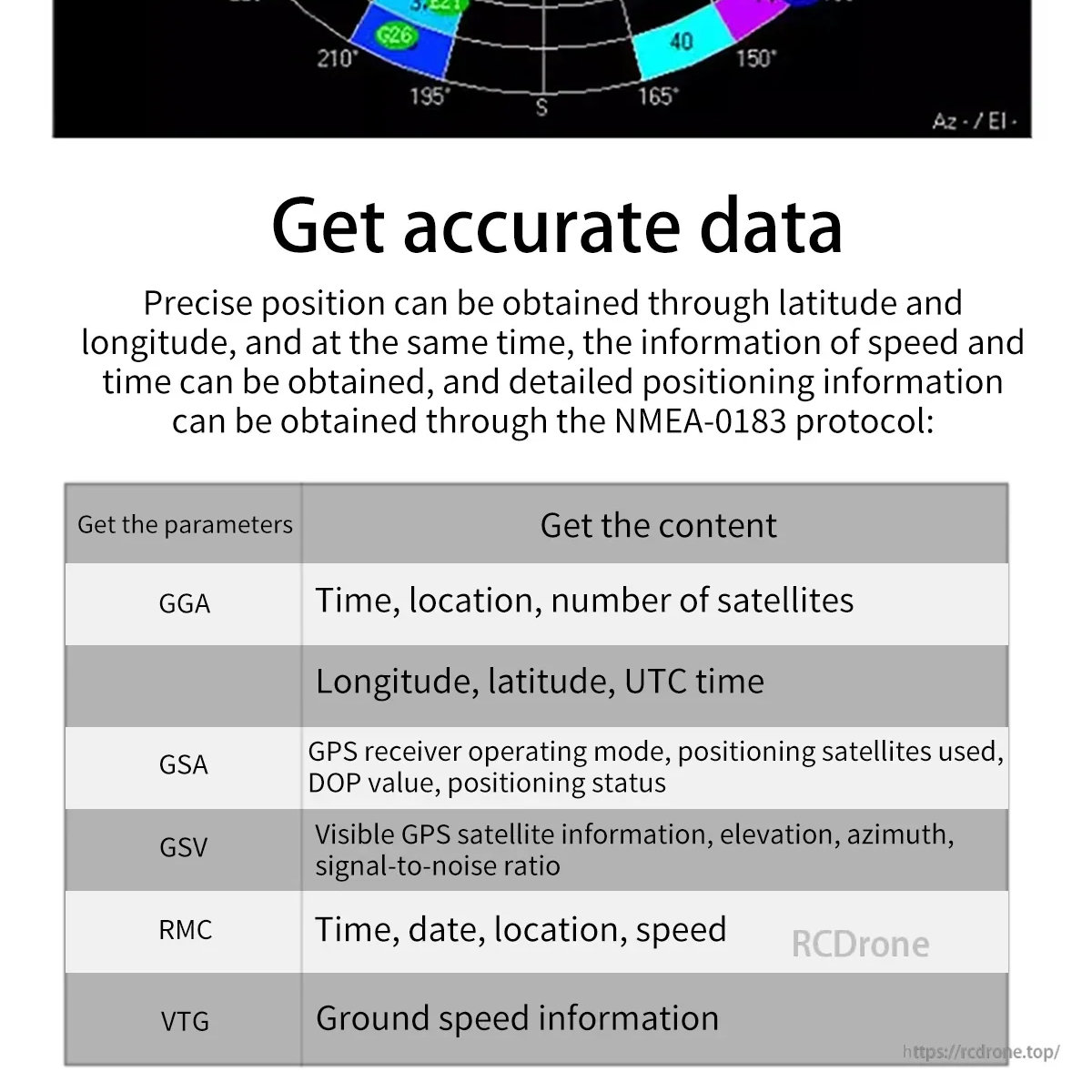
ماژول میتواند فیلدهای داده استاندارد NMEA را برای زمان، موقعیت، وضعیت ماهواره و سرعت زمین ارائه دهد.

جزئیات سیمکشی و موارد استفاده، ادغام را برای پهپادها، ناوبری وسایل نقلیه و سایر پروژههای جاسازی شده آسانتر میکند.